Monosodium Glutamate Gluten-free | Advantages & Applications
This article talks about the monosodium glutamate gluten-free option and the substance itself in its pure form. Read till the end to learn everything about this rather common substance in the industry.
What is Monosodium Glutamate?
The flavor enhancer monosodium glutamate (MSG) is frequently found in processed foods and a variety of cuisines. It is glutamic acid's sodium salt, a naturally occurring amino acid found in some foods. By introducing umami, which is sometimes referred to as a savory or meaty flavor, MSG is renowned for its capacity to improve the flavor of savory dishes.
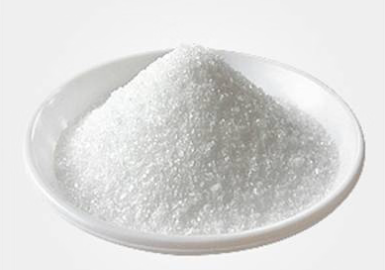
Usually, glutamic acid is created by bacteria during a fermentation process, which produces MSG from carbohydrates or sugars. The result of this chemical transformation of glutamic acid is MSG, a white, crystalline powder that is readily soluble in water.
Although there are other ways to make monosodium glutamate (MSG), fermentation is the most popular and commonly utilized method. Here are a few distinct processes used to make MSG:
Fermentation: The process of fermentation is the one most frequently employed to make MSG. It involves bacteria like Corynebacterium glutamicum or Brevibacterium lactofermentum fermenting sugars or starches. These bacteria's metabolic pathways result in the production of glutamic acid naturally. The addition of sodium and other chemicals causes glutamic acid to be chemically transformed into MSG.
Chemical Synthesis: Although less prevalent due to cost and environmental concerns, MSG can also be generated by chemical synthesis. To produce the desired output in this procedure, numerous chemical reactions are used. Monosodium glutamate is created chemically by the interaction of glutamic acid with sodium hydroxide or sodium carbonate.
Extraction from Natural Foods: One other technique is to extract glutamic acid from naturally occurring, glutamate-rich foods like seaweed or soybeans. The extracted glutamic acid is then chemically transformed into MSG.
What are Monosodium Glutamate Gluten-free Variants?
Monosodium glutamate (MSG) is available in gluten-free varieties. Since MSG is produced by fermenting starches or sugars and does not include gluten proteins, it is naturally gluten-free. A blend of proteins called gluten can be found in rye, barley, and wheat.
It's crucial to keep in mind nevertheless that certain commercially accessible MSG products can also have other components that might contain gluten. In certain processed meals or spice blends, these components are usually additions, fillers, or flavorings that are coupled with MSG.
Advantages of monosodium glutamate gluten-free:
It is crucial to note that the phrase "gluten-free option" does not relate to any particular health advantages of monosodium glutamate (MSG) by itself. Instead, it applies to people who must avoid foods that contain gluten because they have celiac disease, gluten intolerance, or non-celiac gluten sensitivity.
Consuming gluten might cause negative reactions and harm to the small intestine in those with certain diseases. As a result, monosodium glutamate gluten-free variantor any other food product enables people with gluten-related diseases to consume MSG without running the risk of ingesting gluten.
Regarding MSG's potential health advantages, it's important to keep in mind that it serves largely as a flavor enhancer and has minimal nutritional advantages. Although it is low in calories and fat, it does contain salt, so people following a low-sodium diet should be careful about how much they consume. Consuming MSG in moderation may have certain advantages, such as:
Flavor Improvement: MSG improves the umami flavor, which is frequently described as savory or meaty, and can make food more gratifying and delightful.
Reduced Salt Requirement: MSG's propensity to improve flavor may result in a decreased need for additional salt, perhaps enabling people to lower their sodium intake without sacrificing flavor.
Food Appetizer: MSG can enhance food flavor, which may encourage people to eat more nutritious foods like vegetables or whole grains.
MSG has a wide range of culinary applications and can be used to improve the flavor of several foods, including soups, sauces, marinades, and stir-fries.
It's crucial to note that, while rare, individual sensitivities or allergies to MSG are unrelated to gluten. Always seek expert medical counsel or nutritional guidance from a trained dietitian if you have particular health issues or dietary limitations.
Wrapping Up:
In conclusion, monosodium glutamate gluten-free is a flavoring agent that is frequently added to processed foods and foods from different cultures. It gives foods their umami flavor and is the sodium salt of glutamic acid. When used within approved limits, MSG is usually regarded as safe for eating, and adverse reaction claims have not always been consistently substantiated by scientific research.
If you don't have any particular sensitivities or reactions to MSG, you can use it to improve the flavor of your food, cut down on the amount of salt you use, and make healthy foods more palatable. But you should always read food labels carefully, particularly if you have dietary restrictions or other health issues.
Looking for chemical products? Let suppliers reach out to you!
You May Interested In


Glow70/KLOW80 99% China Peptides Warehouse Direct Delivery Lyophilized Powder in Stock
$1.8E+2/UNIT FOB


2026-08-23
Trade Alert
Delivering the latest product trends and industry news straight to your inbox.
(We'll never share your email address with a third-party.)

Related News
-
Arachidic Acid Uses: Food, Industrial Applications & Safety
-
Cayman Chemical Product Catalog: Overview, Categories & Pricing
-
Sodium Chloride (NaCl): Food Grade vs Industrial Grade Uses & Safety Data
-
Polystyrene (PS): Properties, Foam Applications, and Recycling Challenges
-
Chemical Raw Materials: How to Source Quality Suppliers & Understand Grades
-
Magnesium Stearate in Supplements: Is it Safe? (Vegan Status & Function)
-
EDTA (Ethylenediaminetetraacetic acid): Chelation Therapy & Industrial Uses
-
Dicalcium Phosphate: Properties, Uses, and Applications
-
Flavin Adenine Dinucleotide (FAD): Functions and Applications
-
Magnesium Chloride (MgCl₂): Properties, Uses, and Applications
Recommend Reading
-
![Uses and Properties of Chromium Oxide]()
Uses and Properties of Chromium Oxide
-
![Chemical Properties and Uses of Caesium Fluoride]()
Chemical Properties and Uses of Caesium Fluoride
-
![Uses of Sodium Citrate Dihydrate in Food Industry]()
Uses of Sodium Citrate Dihydrate in Food Industry
-
![Benzyl Alcohol: Uses in Cosmetics, Preservative Efficacy, and Safety]()
Benzyl Alcohol: Uses in Cosmetics, Preservative Efficacy, and Safety
-
![Ammonia Chemical Formula: NH3 Structure & Properties]()
Ammonia Chemical Formula: NH3 Structure & Properties
-
![Business Society’s August 20, 2026 Butadiene Market Outlook: Rising]()
Business Society’s August 20, 2026 Butadiene Market Outlook: Rising
-
![Business Society’s Market Outlook for Propylene Oxide on August 19, 2026: Volatile Trend]()
Business Society’s Market Outlook for Propylene Oxide on August 19, 2026: Volatile Trend
-
![FDA Pushes New Approach to “No Artificial Colors” Claims]()
FDA Pushes New Approach to “No Artificial Colors” Claims
-
![Business Society’s DOP Market Outlook on August 20, 2026: Clearly Upward]()
Business Society’s DOP Market Outlook on August 20, 2026: Clearly Upward
-
![Business Society’s Market Outlook for Maleic Anhydride on August 19, 2026: Volatile]()
Business Society’s Market Outlook for Maleic Anhydride on August 19, 2026: Volatile