Silicon Dioxide In Supplements: Are They Safe
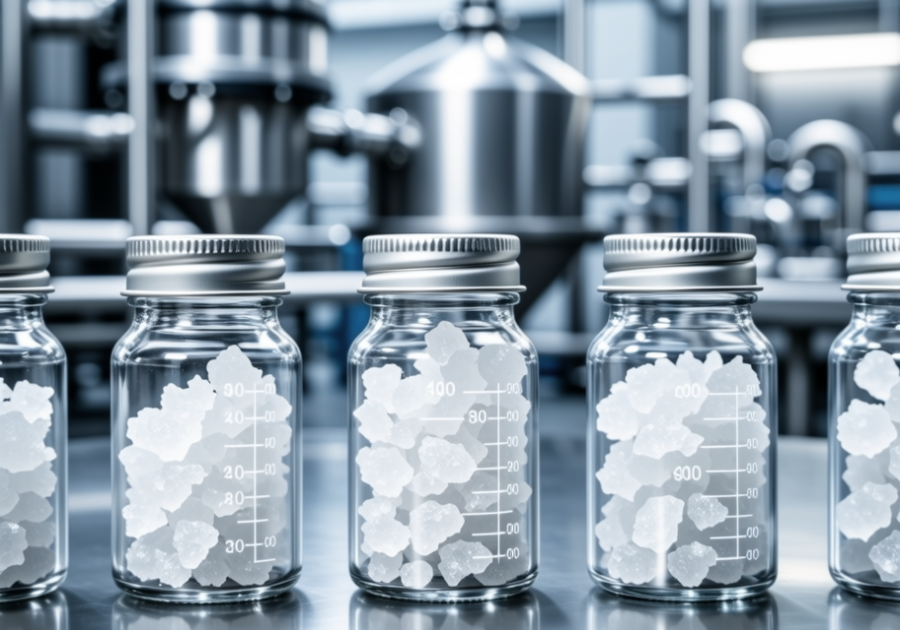
Although silicon dioxide in supplements is a common occurrence, many people are still to discover the ingredient in their favorite supplement. Having this ingredient in your supplement can make you feel suspicious or even hesitant. Silicon dioxide is an ingredient that is found in many products and is often misunderstood. Are supplements with silicon dioxide safe? Let's learn more about them in this post.
Silicon dioxide in supplements: How safe are they?
Silicon dioxide is derived from a mix of oxygen and silicon. They are used in different kinds of food products because they behave like anticaking agents. While silicon dioxide is considered safe when used as food additives, certain concerned agencies call for strict guidelines when it comes to the characteristics and quality of silicon dioxide in supplements and other food products.
Several studies show that people may experience some sort of side effects after using supplements with silicon dioxide. But there is no catastrophic loss to human health because of the compound. However, there could be serious adverse effects resulting from inhaling silicon dioxide in fine particles.
Besides, silica dust exposure when used for a long time can put your health into severe consequences. You may find silica in different forms. All of them come with similar makeup but are recognized differently. It depends on how the silica particles are arranged. Amorphous silica and crystalline silica are two distinctive types of silica.
Silicon dioxide in supplements: Precautions you should take
Never use supplements with silicon dioxide if your body is too sensitive to the formulation. Apart from that, there are no harmful side effects even after administering silicon dioxide orally. However, there could be issues relating to silicon dioxide if you inhale it.
When a person inhales silicon dioxide for some time, it may result in kidney injuries, liver disease, heightened risk of tuberculosis, and autoimmune disease. Additionally, never take supplements that include silicon dioxide without a doctor's recommendation if you are breastfeeding or pregnant.
Consult your doctor if you experience any of the below-mentioned symptoms when using supplements with silicon dioxide for some time.
- Certain types of eye symptoms such as swelling, eye pain, tunnel vision, blurred vision, or experiencing halos, especially around lights.
- Issues in the nervous system along with stiff muscles. Also, it could be accompanied by fast heartbeats, sweating, high fever, tremors, and confusion. Sometimes, you may feel like you are about to pass out.
- Intense headache, broken speech, extreme weakness, unsteady feeling, coordination loss, and vomiting.
- Other symptoms might include sudden dizziness, problems with breathing, frequent thumping in the chest, and pounding heartbeats.
This is not the complete list of adverse effects that can result from using supplements with silicon dioxide. Consult an expert to get the right medical treatment following adverse reactions.
Conclusion
Silicon dioxide in supplements helps improve the condition of nails, skin, and hair other than strengthening the bones. There is no extreme side effect that may result from consuming silicon dioxide supplements. Silicon dioxide is added to supplements to prevent the powdered ingredients from getting sticky. Consult your physician in case you notice some of the symptoms mentioned above.
Looking for chemical products? Let suppliers reach out to you!
You May Interested In


Glow70/KLOW80 99% China Peptides Warehouse Direct Delivery Lyophilized Powder in Stock
$169/UNIT FOB


2026-10-16
Trade Alert
Delivering the latest product trends and industry news straight to your inbox.
(We'll never share your email address with a third-party.)

Related News
-
SiO2: Properties, Uses, and Applications
-
Are Nanoparticles Present in Silicon Dioxide Food Additives?
-
All You Concerned about Silicon Dioxide in Food: Is It Harmful to Us?
-
Ammonia Chemical Formula: NH3 Structure & Properties
-
Benzyl Alcohol: Uses in Cosmetics, Preservative Efficacy, and Safety
-
Applications and Safety of Sodium Dichromate
-
Uses and Benefits of Sodium Selenite
-
Sodium Hypochlorite: Uses, Concentration Guide, and Critical Safety Hazards
-
Isopropyl Alcohol (IPA) vs Ethanol: Which Solvent or Disinfectant is Better?
-
Dicalcium Phosphate: Properties, Uses, and Applications
Recommend Reading
-
![Magnesium Chloride (MgCl₂): Properties, Uses, and Applications]()
Magnesium Chloride (MgCl₂): Properties, Uses, and Applications
-
![Flavin Adenine Dinucleotide (FAD): Functions and Applications]()
Flavin Adenine Dinucleotide (FAD): Functions and Applications
-
![What is a Surfactant? (Definition, Types, and How They Work)]()
What is a Surfactant? (Definition, Types, and How They Work)
-
![Oxalic Acid: Acidity (pKa), Sources, and Kidney Stone Risk]()
Oxalic Acid: Acidity (pKa), Sources, and Kidney Stone Risk
-
![Vanillin: Properties, Uses, and Safety]()
Vanillin: Properties, Uses, and Safety
-
![Business Society October 14, 2026 Petroleum Coke Trend Analysis: Volatility]()
Business Society October 14, 2026 Petroleum Coke Trend Analysis: Volatility
-
![Supply and Demand Dynamics Coupled with Cost Fluctuations Lead to February's Volatile Decline in Butadiene Prices in China]()
Supply and Demand Dynamics Coupled with Cost Fluctuations Lead to February's Volatile Decline in Butadiene Prices in China
-
![Market Support Weakens, Acetic Acid Prices Continuously Decline]()
Market Support Weakens, Acetic Acid Prices Continuously Decline
-
![Business Society’s October 14, 2026 Coking Coal Market Outlook: Weak]()
Business Society’s October 14, 2026 Coking Coal Market Outlook: Weak
-
![February Maleic Anhydride Prices Generally Increased in China]()
February Maleic Anhydride Prices Generally Increased in China