Magnesium Carbonate: Properties, Uses, and Benefits
Why Magnesium Carbonate Deserves Attention
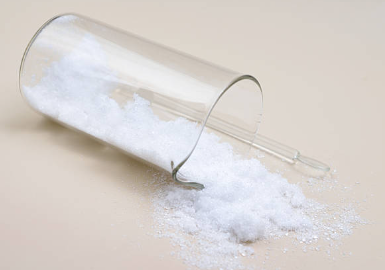
If you’ve ever looked at the ingredient list on a supplement or antacid, you’ve probably seen the name Magnesium Carbonate. This white mineral powder might look simple, but it plays a surprisingly wide range of roles—from supporting healthy magnesium levels to calming an upset stomach. Because of its mild alkalinity and low reactivity, it’s considered one of the most stable and versatile magnesium compounds in everyday use.
Chemical Nature and Key Properties
From a chemistry standpoint, magnesium carbonate (MgCO₃) is a basic salt formed from magnesium and carbonic acid. It doesn’t dissolve easily in water but reacts readily with acids, releasing carbon dioxide in the process—a behavior that explains why it’s used in effervescent tablets and antacids. Below is a quick summary of its main characteristics:
| Property | Details |
|---|---|
| Chemical Formula | MgCO₃ |
| Molecular Weight | 84.31 g/mol |
| Appearance | White, fine powder |
| Water Solubility | Very low, reacts with acids to release CO₂ |
| Typical pH | Alkaline, around 9–10 |
Magnesium Carbonate Uses in Supplements
In the world of dietary supplements, magnesium carbonate is often chosen for its balance between stability and gentleness. Many people struggle to meet their daily magnesium requirements through diet alone, and this compound offers a dependable source. Unlike some other magnesium salts that can cause digestive upset, magnesium carbonate provides a slower release of magnesium ions, making it easier for the body to tolerate.
Studies referenced by the National Institutes of Health have shown that maintaining healthy magnesium levels supports nerve function, muscle performance, and even mood regulation. That’s why magnesium carbonate appears in everything from basic mineral tablets to performance-focused nutrition products.
How It Works in Antacids
One of the lesser-known but long-standing applications of this mineral is in digestive health. Magnesium Carbonate in antacids acts as a gentle neutralizer for excess stomach acid. It provides fast but mild relief for heartburn, without the harsh rebound effects that can occur with stronger bases. For individuals who experience occasional acidity or indigestion, this form of magnesium can provide a smoother alternative to sodium-based antacids.
Magnesium Carbonate vs Magnesium Oxide
The comparison between Magnesium Carbonate vs Magnesium Oxide often comes down to absorption and concentration. Magnesium oxide packs more magnesium per gram, but much of it passes through the body unabsorbed. Magnesium carbonate contains less elemental magnesium but is better absorbed, particularly when taken with food. People who experience bloating or loose stools from magnesium oxide often tolerate magnesium carbonate more comfortably.
In short: if your goal is efficiency of absorption and gut comfort, magnesium carbonate tends to win; if you’re aiming for sheer magnesium quantity per tablet, oxide might seem stronger but less efficient.
Beyond Nutrition: Everyday Applications
Outside of the health industry, magnesium carbonate pops up in some unexpected places. Gymnasts, rock climbers, and weightlifters use it as “chalk” to keep their hands dry and improve grip. In cosmetics, it acts as an absorbent and texture enhancer, helping powders stay smooth and non-greasy. The food industry also uses it as an anti-caking agent to prevent clumping in powdered products like spices and sugar.
Its mild alkaline nature and non-toxic profile make it a favorite among product formulators who need a safe, multi-functional mineral base.
Health and Safety Considerations
For most people, magnesium carbonate is safe when used within recommended amounts. Excessive intake can occasionally cause mild diarrhea or nausea, especially if taken on an empty stomach. Individuals with kidney issues should consult a healthcare professional before regular use, as impaired kidney function can affect magnesium balance.
According to data summarized by the U.S. Food and Drug Administration, magnesium carbonate has a long record of safe use, both in food-grade and pharmaceutical applications. As with any supplement, quality and proper dosage are key—look for products that list elemental magnesium content clearly on the label.
Final Thoughts
Magnesium Carbonate may not be flashy, but its versatility and gentle performance have earned it a lasting place in both nutrition and medicine. Whether you’re comparing Magnesium Carbonate vs Magnesium Oxide for supplementation or looking for a mild antacid to calm digestive discomfort, this compound offers a well-rounded solution. Understanding how it behaves—chemically and physiologically—can help you choose the right form for your body’s needs.
Looking for chemical products? Let suppliers reach out to you!
You May Interested In


2026-10-06
Trade Alert
Delivering the latest product trends and industry news straight to your inbox.
(We'll never share your email address with a third-party.)

Related News
-
ECHEMI High Quality Inquiries (20-24 May)
-
Flavin Adenine Dinucleotide (FAD): Functions and Applications
-
Magnesium Chloride (MgCl₂): Properties, Uses, and Applications
-
Isoascorbic Acid: Uses and Safety
-
Understanding PCl5: Compound Name and Uses
-
Vanillin: Properties, Uses, and Safety
-
Sodium Chloride (NaCl): Food Grade vs Industrial Grade Uses & Safety Data
-
Chemical Raw Materials: How to Source Quality Suppliers & Understand Grades
-
Ammonia Chemical Formula: NH3 Structure & Properties
-
Benzyl Alcohol: Uses in Cosmetics, Preservative Efficacy, and Safety
Recommend Reading
-
![Applications of Copper Sulfate Pentahydrate]()
Applications of Copper Sulfate Pentahydrate
-
![Uses of Sodium Acetate Trihydrate]()
Uses of Sodium Acetate Trihydrate
-
![Key Reactions and Uses of Allene]()
Key Reactions and Uses of Allene
-
![Thymol Gel Wins EPA Approval for Beekeepers]()
Thymol Gel Wins EPA Approval for Beekeepers
-
![Nature’s Blueprint, Science’s Edge: Corteva Unveils Twin Breakthroughs to Tackle the $70 Billion Insect Threat]()
Nature’s Blueprint, Science’s Edge: Corteva Unveils Twin Breakthroughs to Tackle the $70 Billion Insect Threat
-
![2026 Outlook Report for the General Plastics Industry]()
2026 Outlook Report for the General Plastics Industry
-
![A Fake Email Drains RMB 12 Million: Asia’s Waterproof Giant’s Overseas ‘Payment Heist’ Exposes the Fatal Blind Spot of Chinese Corporate Globalization]()
A Fake Email Drains RMB 12 Million: Asia’s Waterproof Giant’s Overseas ‘Payment Heist’ Exposes the Fatal Blind Spot of Chinese Corporate Globalization
-
![Supply Reduction Leads to Rapid Increase in n-Butanol Market]()
Supply Reduction Leads to Rapid Increase in n-Butanol Market
-
![MTBE Market Prices Fluctuate Narrowly]()
MTBE Market Prices Fluctuate Narrowly
-
![In November, the Chinese marine fuel market trended downward with fluctuations]()
In November, the Chinese marine fuel market trended downward with fluctuations