SSPC to Meet on High-Temperature Coatings
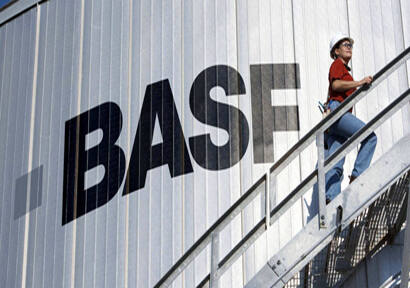
German chemicals giant, BASF, has announced its decision to stop Toluene diisocyanate (TDI) production at its Ludwigshafen production facility, due to fall in Water levels in the Rhine river to an “all-time low”.
In a press statement, the company said the despite efforts to shift to alternative means of transport such as pipeline, trucks and rail, “not all raw materials can be supplied” to the site. “Therefore, BASF will have to stop the TDI production in Ludwigshafen,” it said. The restart of production will depend on improved Rhine water level, said BASF, adding it will be in “close contact” with customers.
TDI is a key chemical for production of polyurethane flexible foams and non-foam urethanes.
BASF had announced in August that it had to cut back part of its production due to low Rhine levels, but did not specify which products were affected.
Covestro, another key German chemicals player, had also that its operations were interrupted by the low water levels in Rhine. The company had lowered earnings (EBITDA) to “slightly below” the level of 2017 due to stronger-than-expected competition and the low water level of the Rhine river, which has resulted in production losses and higher logistics costs. The River rhine is a key transport route for the European chemical industry. This is because many of the industry’s plants are located on the river. Low water levels reduce the number of chemical barges that can navigate the river. This means lower production for plants on the river, such as Leverkusen, Dormagen and Ludwigshafen.

You May Interested In


High Quality β-Nicotinamide adenine dinucleotide CAS 53-84-9 NADwith ready stock and best price
$3/UNIT FOB


2026-10-15
Trade Alert
Delivering the latest product trends and industry news straight to your inbox.
(We'll never share your email address with a third-party.)

Related News
-
Hormuz Closes, Paint Feels It First: How a Barrel of Oil Rewrites the Cost of Every Barrel of Coatings
-
Titanium Dioxide Prices Are Up Again! This Round of Increases Has One Real Driver: Sulfuric Acid
-
Trump Tariff "Boomerang": $2.5 Billion Polysilicon Factory Faces Shutdown Crisis
-
Retinol in Cosmetics: Regulatory Tightening and Market Changes
-
This Is Not a Price Increase Wave but a Full-Blown Cost Squeeze Across China’s Coatings Chain
-
U.S. Strikes Three Iranian Tankers as “Tanker-for-Tanker” Escalation Raises Chemical Shipping Risk
-
Panama Canal Delays Deeper Draft Cut, but Transit Capacity Is Still Tightening
-
Middle East Conflict Pushes Up Oil Prices as More Than 100 Chemical Raw Materials Rise in Concentration
-
Redwall Raises Prices by as Much as 80%, Songwon Launches Global Increases, and Chemical Companies Are Collectively Passing On Costs
-
UAE Withdraws from OPEC
Recommend Reading
-
![The Chemical Market Is No Longer Just Raising Prices — It Has Started Stopping Quotations]()
The Chemical Market Is No Longer Just Raising Prices — It Has Started Stopping Quotations
-
![“Changing the Captain at Sea”: Hempel’s CEO Departs to Run a Ferry Giant—This Isn’t a Resignation Notice, It’s an Industry Stress Map]()
“Changing the Captain at Sea”: Hempel’s CEO Departs to Run a Ferry Giant—This Isn’t a Resignation Notice, It’s an Industry Stress Map
-
![Fertilizer Shock Reshapes Rice Export Decisions]()
Fertilizer Shock Reshapes Rice Export Decisions
-
![He Spent 40 Years at Nestlé—Then Was “Cleared Out” Days After Becoming CEO: This Isn’t a Scandal, It’s Capital’s Coldest Face]()
He Spent 40 Years at Nestlé—Then Was “Cleared Out” Days After Becoming CEO: This Isn’t a Scandal, It’s Capital’s Coldest Face
-
![Wanhua Shuts 1.1 Million-Tonne Yantai MDI Unit for 45-Day Maintenance]()
Wanhua Shuts 1.1 Million-Tonne Yantai MDI Unit for 45-Day Maintenance
-
![In July, the Shandong asphalt market first rose then fell]()
In July, the Shandong asphalt market first rose then fell
-
![FSANZ Moves Toward Approval of Insect-Resistant Corn COR121]()
FSANZ Moves Toward Approval of Insect-Resistant Corn COR121
-
![Thymol Gel Wins EPA Approval for Beekeepers]()
Thymol Gel Wins EPA Approval for Beekeepers
-
![FDA Orders Removal of “Suicidality Warning”: Are Weight-Loss Blockbusters Finally Cleared—or Is Regulators Giving the Market a Reality Check?]()
FDA Orders Removal of “Suicidality Warning”: Are Weight-Loss Blockbusters Finally Cleared—or Is Regulators Giving the Market a Reality Check?
-
![Palm Oil Market Strengthens in March]()
Palm Oil Market Strengthens in March