Milamar Coatings Acquired by VersaFlex Parent
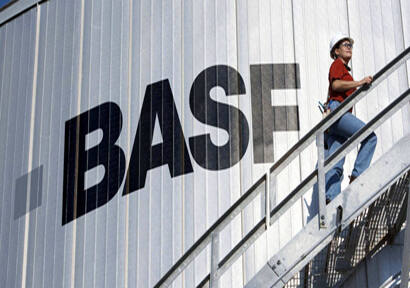
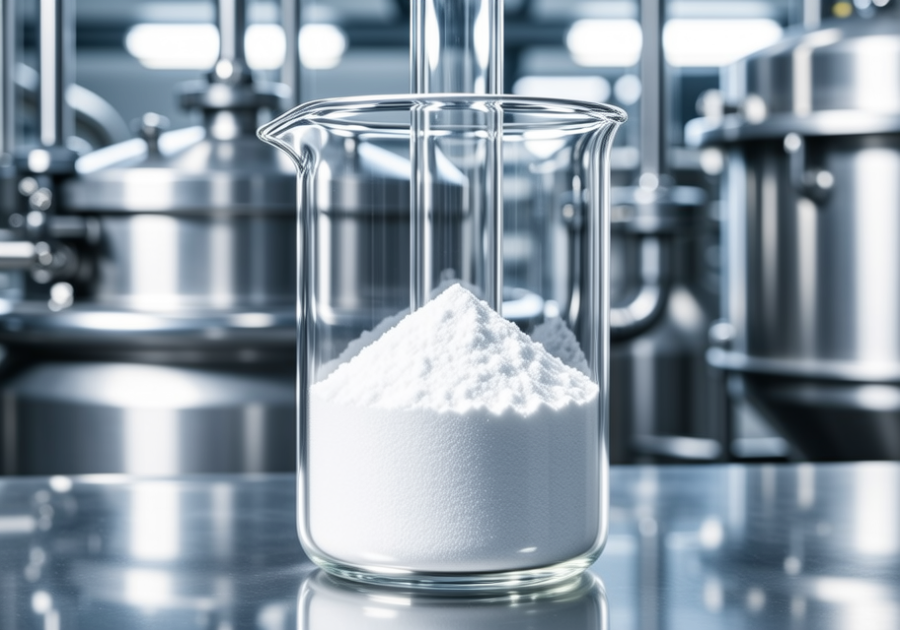
German chemicals giant, BASF, has announced its decision to stop Toluene diisocyanate (TDI) production at its Ludwigshafen production facility, due to fall in Water levels in the Rhine river to an “all-time low”.
In a press statement, the company said the despite efforts to shift to alternative means of transport such as pipeline, trucks and rail, “not all raw materials can be supplied” to the site. “Therefore, BASF will have to stop the TDI production in Ludwigshafen,” it said. The restart of production will depend on improved Rhine water level, said BASF, adding it will be in “close contact” with customers.
TDI is a key chemical for production of polyurethane flexible foams and non-foam urethanes.
BASF had announced in August that it had to cut back part of its production due to low Rhine levels, but did not specify which products were affected.
Covestro, another key German chemicals player, had also that its operations were interrupted by the low water levels in Rhine. The company had lowered earnings (EBITDA) to “slightly below” the level of 2017 due to stronger-than-expected competition and the low water level of the Rhine river, which has resulted in production losses and higher logistics costs. The River rhine is a key transport route for the European chemical industry. This is because many of the industry’s plants are located on the river. Low water levels reduce the number of chemical barges that can navigate the river. This means lower production for plants on the river, such as Leverkusen, Dormagen and Ludwigshafen.

You May Interested In


High Quality β-Nicotinamide adenine dinucleotide CAS 53-84-9 NADwith ready stock and best price
$3/UNIT FOB


2026-10-16
Trade Alert
Delivering the latest product trends and industry news straight to your inbox.
(We'll never share your email address with a third-party.)

Related News
-
EU Low-Value Parcel Rules Could Disrupt Chemical Sample Flows
-
EU May Build Industry-Level Trade Barriers Against Chinese Chemicals
-
What Can $3.4 Billion Buy? Shin-Etsu Chemical’s Answer: Upstream Control of PVC
-
EU Greenlights Four GM Crops—But Only at the Border
-
The $6 Billion Gold Rush: Generic Semaglutide Set to Reshape Global Pharma After Patent Cliff
-
Domo Chemicals’ German Subsidiary Insolvencies: Energy Costs, Weak Demand and Chinese Nylon Competition
-
Carbon Fiber’s Price Surge Signals a New Era of Strategic Value—and Supply Tension
-
Sherwin-Williams Surpasses $100 Billion in Market Cap: Is This the ‘Apple Moment’ for Paint, or America’s Industrial ‘One Hundred Years of Solitude’?
-
The Carbon Tollbooth Is Open: EU’s CBAM Ushers in a New Era of Climate-Linked Trade
-
“Anti-Overcapacity” Backfires: China’s Chemical Industry Trapped in a Hell of Its Own Making—and Global Pushback
Recommend Reading
-
![Hormuz Closure Raises Cold-Chain Risk]()
Hormuz Closure Raises Cold-Chain Risk
-
![Middle East Conflict Hits China Seafood Trade]()
Middle East Conflict Hits China Seafood Trade
-
![US Tariff Refunds Could Reshape Seafood Trade]()
US Tariff Refunds Could Reshape Seafood Trade
-
![Hormuz Closure Raises Cold-Chain Risk]()
Hormuz Closure Raises Cold-Chain Risk
-
![Eastern Shenghong Projects First-Half Profit of 5 Billion Yuan – A Collective Turnaround for the Four Major Private Refiners? Is the Chemical Sector Rebounding?]()
Eastern Shenghong Projects First-Half Profit of 5 Billion Yuan – A Collective Turnaround for the Four Major Private Refiners? Is the Chemical Sector Rebounding?
-
![Positive Factors Drive March Butanol Price Increase by Over 40%]()
Positive Factors Drive March Butanol Price Increase by Over 40%
-
![Surge by 4,000 CNY/ton! Is the melamine market in China showing signs of peaking?]()
Surge by 4,000 CNY/ton! Is the melamine market in China showing signs of peaking?
-
![Bullish Factors Remain, April Adipic Acid Prices in China Expected to Rise]()
Bullish Factors Remain, April Adipic Acid Prices in China Expected to Rise
-
![Ethanol Market Prices at High Levels with Consolidation]()
Ethanol Market Prices at High Levels with Consolidation
-
![MTBE Market Trends: First Rise, Then Fall]()
MTBE Market Trends: First Rise, Then Fall