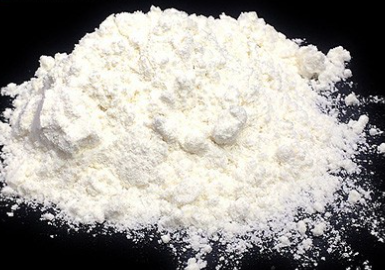
Solubility of Ammonium Chloride
Curious about the ammonium chloride solubility? Ammonium chloride is denoted by the chemical formula NH4Cl.
Through this blog post, we will be zooming in on the solubility of ammonium chloride, its physical and chemical attributes, production methods, reactions, and applications, especially by looking at how it dissolves in various solutions.
Physical and Chemical Properties:
The hydrate formula is NH4Cl, it is a white or colorless crystalline solid, and its molar mass is 53.49 g·mol-1. One of its key properties is its hygroscopic feature because it can effectively capture water molecules in the air. Odorless in nature, it has a density of 1.519 g/cm3 and a melting point of 338 °C.
Commercial production methods of ammonium chloride include the Solvay process, where CO2, ammonia (NH3), sodium chloride (NaCl), and water react to yield ammonium chloride and sodium carbonate (Na2CO3). Notably, the compound also occurs naturally in volcanic regions, forming on rocks near fume-releasing vents.
Ammonium chloride exhibits intriguing reactions, pyrolyzing and reforming into ammonium-chloride smoke. Upon heating, it reversibly decomposes into ammonia and hydrogen chloride gas. Reaction with strong bases like sodium hydroxide releases ammonia gas, while alkali-metal carbonates produce ammonia and alkali-metal chloride.
Ammonium chloride's rich history dates back to its mention in China in 554, with transportation along the Silk Road from Central Asian coal fires and Iranian volcanic sources.
Applications:
The versatility of ammonium chloride finds expression in diverse applications across various industries. Its predominant use as a nitrogen source in fertilizers, particularly for rice and wheat crops, is complemented by historical applications in pyrotechnics, where it served as a chlorine donor for flame color enhancement. In metalwork, it acts as a flux for preparing metals to be tin-coated, galvanized, or soldered. Furthermore, ammonium chloride serves as an expectorant in cough medicine, a systemic acidifying agent in medical treatments, and a food additive (E510) in breadmaking and as an acidifier.
NH4Cl Solubility:
Most importantly, the ammonium chloride is the one whose solubility varies depending on solutions. NH4Cl solubility in water varies between 244 g/L at -15 °C and 740.8 g/L at 100 °C, which indicates that its solubility is affected by temperature. Beyond this, its solubility in methanol, ethanol, glycerol, sulfur dioxide, and acetic acid is an expression of its versatility in different solvent systems. According to a solubility chart, Ammonium Chloride dissolves at the rate of 6 g/L at 19℃ in ethanol.
The most important thing to do when analyzing data on solubility is to pay attention to the units used. One source provides solubility in grams per liter (g/L), and the other gives solubility in grams per 100 grams of solvent (g/100g). Precision in units of measurement is critical to avoid confusion in the measurement of solubility.
Is ammonium chloride toxic?
•Potential Hazards on the Human Body:
Ammonium chloride is a toxic compound that may have adverse effects on the human body. Inhalation of its dust or vapors may irritate the respiratory system and cause breathing discomfort. Ingestion of large quantities of ammonium chloride may cause gastrointestinal distress manifested as vomiting and diarrhea. Direct contact with ammonium chloride may cause skin irritation and eye burns. Therefore, appropriate personal protective measures, including the wearing of masks, gloves, and goggles, must be taken to minimize potential hazards when using ammonium chloride.
•Potential Environmental Hazards:
Ammonium chloride discharged into the aquatic bodies may cause harm to aquatic organisms and contaminate the water bodies. Correspondingly, ammonium chloride in very high amounts can cause soil pollution and soil contamination. Proper precautionary methods need to be adopted in the utilization and handling of ammonium chloride to prevent its spillage and overutilization. A rise in environmental consciousness accompanied by regulated use and scientific direction can help mitigate the possible negative impact that ammonium chloride can have on the environment.
Conclusion:
The NH4Cl solubility and its unique physical and chemical features permit the use of this versatile compound in a plethora of applications. Ammonium chloride has many applications that range across farming, medicine, and industries and its solutions are the key to understanding its applicability.
Looking for chemical products? Let suppliers reach out to you!
You May Interested In


Glow70/KLOW80 99% China Peptides Warehouse Direct Delivery Lyophilized Powder in Stock
$169/UNIT FOB


2026-10-26
Trade Alert
Delivering the latest product trends and industry news straight to your inbox.
(We'll never share your email address with a third-party.)