Why is India's biostimulant market booming?
Indian agriculture has a large amount of land available throughout the year to grow a wide variety of crops, offering huge growth opportunities for premium biostimulants through sustainable increases in crop yields, soil health and farmers' incomes.
India is an emerging market for biostimulants with a CAGR of 13.5%, currently valued at $320 million and expected to exceed $500 million by 2030
The seaweed extract biostimulant market is valued at $83 million and is growing faster than other categories of biostimulants. Fruits and vegetables account for less than 50% of the Indian biostimulant market.
As farmers become more aware of the need to protect yields, food quality, protect against the adverse effects of abiotic stresses (climate change) and improve deteriorating soil health, they increasingly prefer high-quality biostimulants. Crop protection and fertilizer companies are increasing their investments and strategic initiatives in this area, which bodes well for the growth of biostimulants in India. India is an emerging market for biostimulants, offering unique opportunities for sustainable growth.
India Commercial Director Soumendu Ghosh Acadian Plant Health spoke recently about the emerging biostimulant market in India and his views on the changes in adoption, government support and use of specialty crops in the country.
Q: New regulations were passed in 2021 to include biostimulants in fertilizers, helping to speed up registration. Does Acadian see the benefits of this move, or will more competition enter the market?
A:The Fertilisers (Inorganic, Organic or Mixed) (Control) Act 1985 (FCO 1985) lists biostimulants in Schedule VI. This is a positive and encouraging step by the Indian government. This regulation, which standardizes biostimulants through registration requirements, ensures the quality and consistency of biostimulants on the market. Farmers now have access to quality products and true biostimulants. This could lead to industry consolidation as many unscrupulous operators may exit the market and create a supply-demand gap, which benefits research-driven organizations such as Acadian Plant Health.
Q:How have growers reacted? There is a wide variation in the efficacy of biostimulants in India. Is it difficult to win over growers and retailers?
A:Farmers’ growing awareness of the importance of high-quality biostimulants to withstand the adverse effects of crop chemicals and residues, increasing production costs, climate change (abiotic stress) and deteriorating soil health continues to drive the demand for sustainable technologies in agriculture. Biostimulants help improve nutrient use efficiency, tolerate abiotic stresses such as high and low temperatures, and improve quality attributes such as appearance and shelf life. The biostimulant market is growing rapidly and its acceptance and adoption rate is steadily increasing in India and more importantly in the horticultural crop segment.
Q:In the context of the government's push for sustainable development, will plant health companies be able to enter this market with the support of the Indian government?
A: The Indian government is emphasizing and encouraging organic and sustainable agriculture, in which biostimulants can play a key role. These initiatives have provided the necessary impetus for the growth of the biostimulant industry in India. The new biostimulant fertilizer law could simplify the industry, which until now has been very chaotic and dominated by small, local players. Currently, obtaining approval for the sale of biostimulants from each state is a cumbersome and time-consuming process. Ideally, one license per country would be enough.
Q: Which crops are more likely to use biostimulants in India?
A:Horticultural crops are most likely to drive the growth of crop biostimulants in India as there are differences in agricultural prices depending on the quality of fruits and vegetables. Exports of Indian horticultural crops are also increasing and farmers are getting better returns from exports.
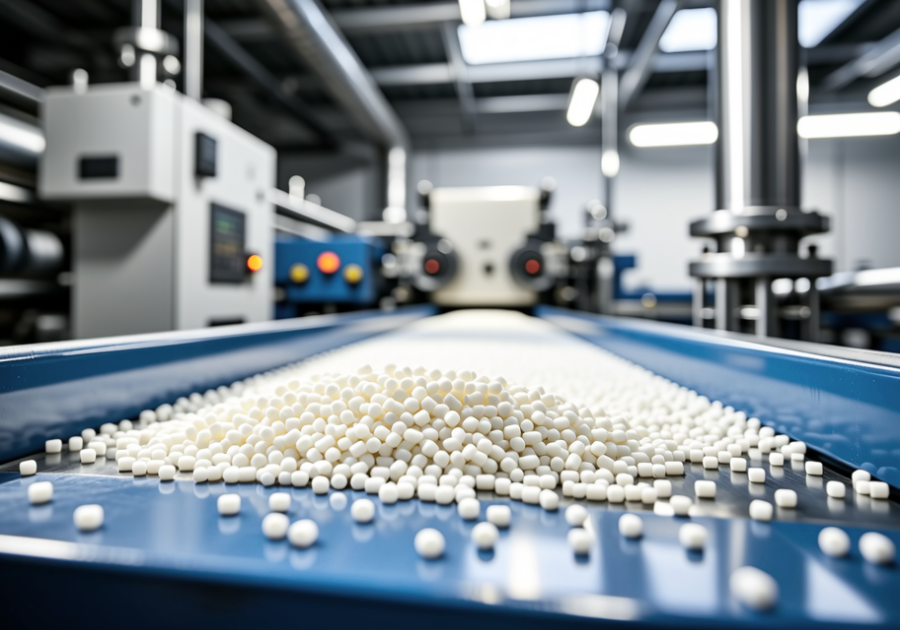
Cereals, especially rice, are driving the demand for pellet biostimulants, and India is a huge market for pellet biostimulants due to their ease of use with other synthetic fertilizers
Q:What are Acadian's future plans for this market?
A :Acadian Plant Health is developing a variety of products to solve the problem for growers. We intend to transform the industry with new formulations that focus on single agricultural problems and solve them. Only then can we truly realize the full potential of this powerful biomaterial and solve some of the major problems in agriculture."
Climate change is the biggest challenge facing agriculture today, with the increasing frequency and intensity of extreme events such as heat waves, droughts and floods affecting the sustainability of agriculture, weakening soil and plant health, and jeopardizing the food security of billions of people around the world.
The growing population and consequent increase in demand for quality and safe food will further exacerbate the need for sustainable agricultural solutions such as biostimulants and seaweed extracts that can help improve the health of soil and crops.
The integration of algal biostimulants into traditional fertilizer and crop protection production systems is now becoming a necessity for agriculture that is both productive and sustainable.

You May Interested In


Glow70/KLOW80 99% China Peptides Warehouse Direct Delivery Lyophilized Powder in Stock
$169/UNIT FOB


2026-10-15
Trade Alert
Delivering the latest product trends and industry news straight to your inbox.
(We'll never share your email address with a third-party.)

Related News
-
ACE will be held during 14-16,Oct.,2026. There are detailed information about ACE.
-
India Launches Concentrated Anti-Dumping Actions Against Eight Categories of Chinese Chemicals, Covering APIs/Intermediates, Polyurethanes, and Refrigerants
-
Three Major Indian Chemical Investments Target China's PC Exports
-
Renaissance BioScience Receives Genome BC Funding to Extend RNAi Biopesticide Platform to Target Soil-Dwelling Crop Pests
-
India Launches Anti-Dumping Probe into PET Film from China, Singapore, Thailand and the UAE
-
India Imposes Final Anti‑Dumping Duties on Ethylenediamine from China, EU, Saudi Arabia, and Taiwan, China, with Top Rate of $575/tonne
-
Urea Prices Surge as India Faces Critical Shortages: Will China’s Export Quotas Provide Relief?
-
India Extends Anti-Dumping Duties on Aniline Imports from China for Five More Years
-
Covestro India and CSIR-NCL Collaborate to Transform Polyurethane Waste
-
India Imposes Anti-Dumping Duties on Chinese vitamin A Palmitate and Insoluble Sulfur Products
Recommend Reading
-
![ENEOS to Acquire TPC in $1.3 Billion Deal, Becoming World’s No. 3 Butadiene Producer]()
ENEOS to Acquire TPC in $1.3 Billion Deal, Becoming World’s No. 3 Butadiene Producer
-
![Dow’s “Double Salvo”: Behind the €150/ton Hike, Europe’s Chemical Industry Is Being Strangled by a “Cost Noose”]()
Dow’s “Double Salvo”: Behind the €150/ton Hike, Europe’s Chemical Industry Is Being Strangled by a “Cost Noose”
-
![Semcorp's Hungarian Factory Ordered to Shut Down Over Pollution]()
Semcorp's Hungarian Factory Ordered to Shut Down Over Pollution
-
![India Loosens Import Leash: Scraps Quality Control Orders for 7 Key Petrochemicals to Revive Manufacturing]()
India Loosens Import Leash: Scraps Quality Control Orders for 7 Key Petrochemicals to Revive Manufacturing
-
![5%–10% Is Just the Surface: Behind Dow’s Greater China Price Letter Lies a Global Repricing of Silicones]()
5%–10% Is Just the Surface: Behind Dow’s Greater China Price Letter Lies a Global Repricing of Silicones
-
![Bottom-fishing and Replenishment Orders & Strong Raw Materials Drive Significant ABS Price Increase in January]()
Bottom-fishing and Replenishment Orders & Strong Raw Materials Drive Significant ABS Price Increase in January
-
![Business Society’s Lithium Carbonate Trend Analysis for September 17, 2026: Volatile Fluctuations]()
Business Society’s Lithium Carbonate Trend Analysis for September 17, 2026: Volatile Fluctuations
-
![Crude oil remains in negative territory, another round of retail fuel price cuts in China]()
Crude oil remains in negative territory, another round of retail fuel price cuts in China
-
![Business Society’s Styrene Trend Analysis for September 17, 2026: Volatile Trend]()
Business Society’s Styrene Trend Analysis for September 17, 2026: Volatile Trend
-
![Costs Rise, January PP Follows Upstream Prices]()
Costs Rise, January PP Follows Upstream Prices