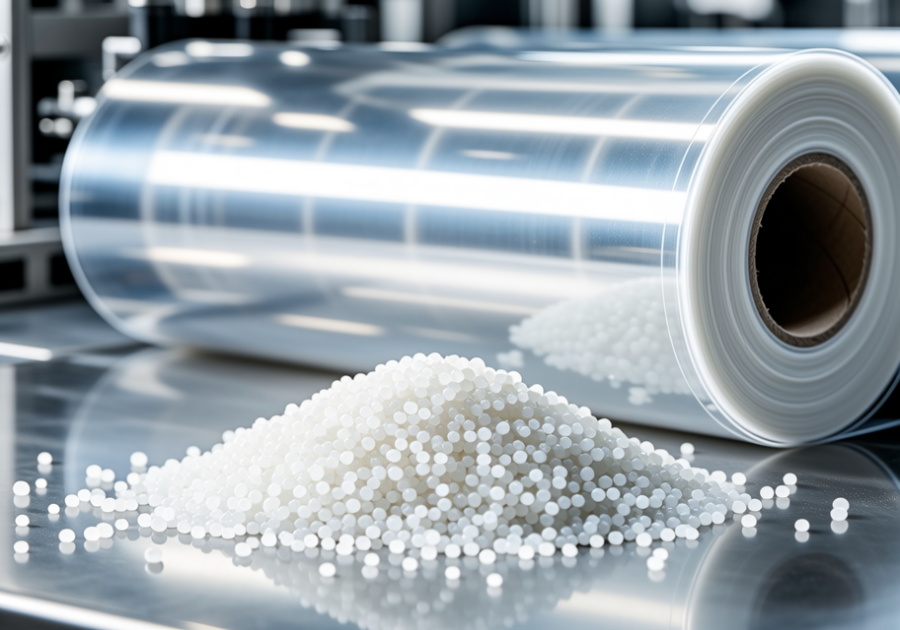
India’s Directorate General of Trade Remedies initiated an anti-dumping investigation on polyethylene terephthalate film above 100 microns on June 30, 2026. The investigation covers imports originating in or exported from China, Singapore, Thailand and the United Arab Emirates. DGTR lists the case under file number 6/29/2026-DGTR, with the case currently marked as an ongoing investigation.
The case should not be viewed in isolation. DGTR’s ongoing anti-dumping list around the same period includes several other chemical and material products, such as cyanuric chloride, antioxidants, BOPA film, sodium nitrite and para nonylphenol. India’s trade defense activity is moving beyond large commodity sectors into more specialized films, additives and chemical intermediates.
PET film may appear to be a niche material, but its downstream reach is broad. It is used in packaging, labels, insulation, electronics, industrial laminates and selected specialty applications. When domestic producers push for anti-dumping action in such a product, it usually suggests that local capacity has reached a level where producers want protection from import-led price pressure. An investigation does not automatically mean duties will be imposed, but it can still change purchasing behavior before any final decision.
For suppliers from China, Singapore, Thailand and the UAE, the immediate risk is not simply the loss of orders. The more practical risk is that Indian buyers may start reassessing supply sources, negotiating duty-sharing clauses, building inventory ahead of possible measures or shifting part of their procurement to local producers. If provisional or final duties are imposed, the landed-cost advantage of some exporters could narrow sharply.
The broader policy signal is clear. India is using trade-remedy tools to support its domestic manufacturing agenda. The country wants foreign investment, but it also wants local producers to capture more of the demand growth inside its own market. For chemical and materials exporters, India is becoming a market where competitiveness depends not only on price, but also on localization, compliance, customer structure and trade-risk management.
For global traders, India remains attractive because demand growth is still strong. But the operating model has changed. Companies can no longer treat India simply as an import-growth destination. It is a high-growth market with rising policy sensitivity. For PET film, the next points to watch are the investigation timeline, possible duty levels, local capacity additions and whether packaging or electronics customers begin adjusting procurement strategies.