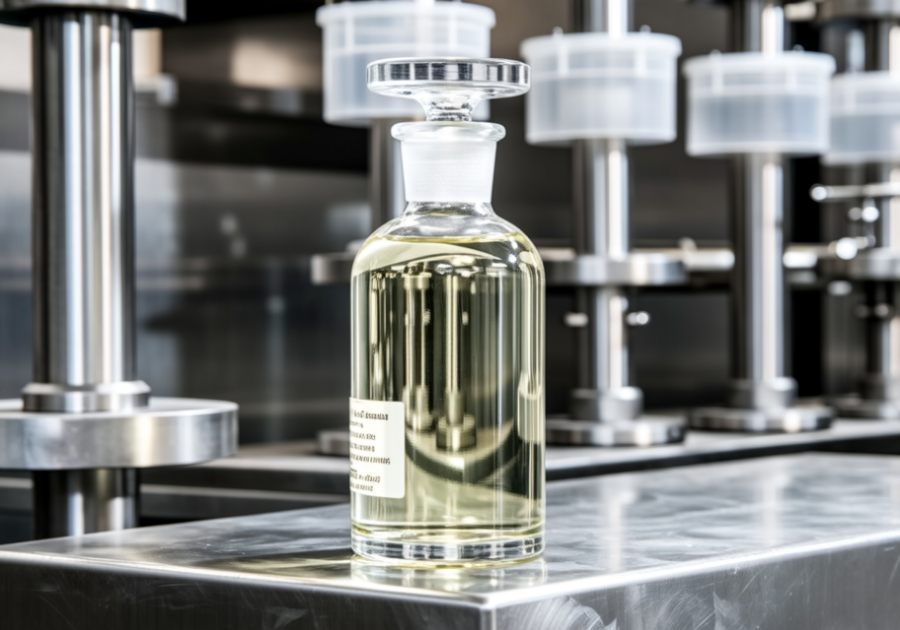
Red Phosphorus VS White Phosphorus
The battle of red phosphorus vs white phosphorus:
Phosphorus exhibits various allotropes in nature, among which red phosphorus and white phosphorous are the most well-known. These compounds differ significantly in terms of chemical structure, physicochemical properties, and application fields, attracting considerable attention.
From a chemical structure perspective, red phosphorous differs completely from white phosophorous in molecular configuration. Red phosophorous consists of four covalently bonded atoms forming a tetrahedral structure while white phosophorous is composed of four tetrahedral units combined by van der Waals forces. This structural distinction results in substantial disparities regarding the physicochemical properties exhibited by these two compounds.
For instance, red phosophorous possesses high melting point and boiling point values along with strong chemical stability; it does not easily undergo spontaneous combustion when exposed to air. Conversely, white phosophorous has low melting point and boiling point values coupled with high chemical reactivity; it readily engages in violent reactions when exposed to open fire. These property discrepancies determine the diverse practical applications for both red phosophorous and white phosophorous.
Red phosphorus is primarily utilized in military, metallurgy, and other industries as a crucial raw material for the production of matches, fireworks, and various other products. White phosphorus finds its predominant application in pesticides, food additives, and related fields while also serving as an essential ingredient for the manufacturing of pesticides, fertilizers, and similar items. Overall, the competition between red phosphorus and white phosphorus showcases the abundance of phosphorus isomers while highlighting the intricate relationship between chemical structure and properties. Only by comprehending both the similarities and distinctions between red phosphorus and white phosphorus can we effectively harness these valuable chemical resources to drive innovation within associated sectors.

Unique of Red Phosphorus Properties
You May Interested In


High Quality β-Nicotinamide adenine dinucleotide CAS 53-84-9 NADwith ready stock and best price
$3E+1/UNIT FOB


2026-10-25
Trade Alert
Delivering the latest product trends and industry news straight to your inbox.
(We'll never share your email address with a third-party.)

Related News
-
The Last 10% Tariff Trap: A New Chapter in U.S.–China Negotiations on “Fentanyl Tariffs”
-
Vietnam Drives ASEAN Towards a Modern Economy
-
USDA Puts Fresh Money Into Local Food Markets
-
Redwall Raises Prices by as Much as 80%, Songwon Launches Global Increases, and Chemical Companies Are Collectively Passing On Costs
-
U.S. Strikes Three Iranian Tankers as “Tanker-for-Tanker” Escalation Raises Chemical Shipping Risk
-
"No available slots" returns as global shipping rates skyrocket amid multiple factors
-
Panama Canal Delays Deeper Draft Cut, but Transit Capacity Is Still Tightening
-
Middle East Conflict Pushes Up Oil Prices as More Than 100 Chemical Raw Materials Rise in Concentration
-
Crude Tanker Freight From the Americas to Asia Tops $80 Million per Voyage Amid Global Shipping Crunch
-
China, U.S. and Australia Escalate Antidumping Scrutiny: Chemical Exports Face Rising Compliance Pressure
Recommend Reading
-
![“Milk Sugar 2.0” Cleared for Takeoff: EU Greenlights Next-Gen Human-Identical Oligosaccharide for Infant Nutrition]()
“Milk Sugar 2.0” Cleared for Takeoff: EU Greenlights Next-Gen Human-Identical Oligosaccharide for Infant Nutrition
-
![Glenmark’s $1 Billion Cancer Bet: Oncology Revolution Set to Ignite in FY28]()
Glenmark’s $1 Billion Cancer Bet: Oncology Revolution Set to Ignite in FY28
-
![Egypt’s Chemical Surge: $9.4 Billion Export Boom Signals Industrial Powerhouse Rise]()
Egypt’s Chemical Surge: $9.4 Billion Export Boom Signals Industrial Powerhouse Rise
-
![EU mulls expanding tariff scope on Chinese chemicals, sector-wide measures in the pipeline]()
EU mulls expanding tariff scope on Chinese chemicals, sector-wide measures in the pipeline
-
![New Titanium Dioxide Alternative Moves Closer to Market]()
New Titanium Dioxide Alternative Moves Closer to Market
-
![This Week's Styrene Market Weakens and Falls (5.11-5.15)]()
This Week's Styrene Market Weakens and Falls (5.11-5.15)
-
![In September, China's PET hit a high and fluctuated at a high level; in October, the market may show a weak fluctuation at a high level]()
In September, China's PET hit a high and fluctuated at a high level; in October, the market may show a weak fluctuation at a high level
-
![September Ethyl Acetate Market Trend Fluctuates Upward in China]()
September Ethyl Acetate Market Trend Fluctuates Upward in China
-
![MIBK Market Rises Significantly in September, May See a Correction Afterwards]()
MIBK Market Rises Significantly in September, May See a Correction Afterwards
-
![In September, the Chinese acetone market was mainly on the rise, with minor adjustments in stability later on]()
In September, the Chinese acetone market was mainly on the rise, with minor adjustments in stability later on