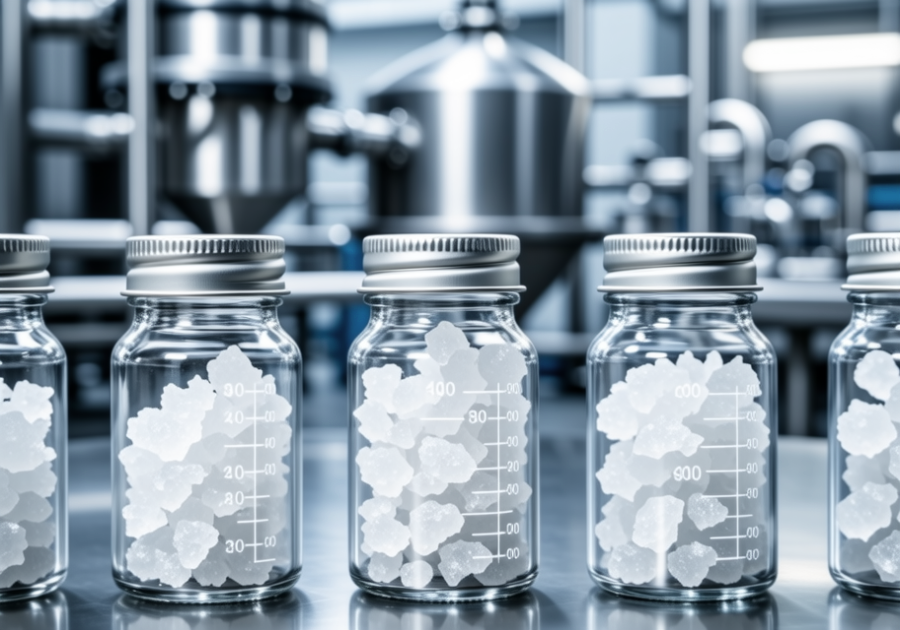
What are the factors that affect the potassium hydroxide flakes price?
The chemical formula of potassium hydroxide is KOH, which is highly alkaline and corrosive. It easily absorbs moisture in the air and deliquesces, and absorbs carbon dioxide to form potassium carbonate. When dissolved in water, alcohol or treated with acid, it generates a lot of heat.
Potassium hydroxide has its applications in drying, electroplating, chemical raw materials and other fields, so its usage is very large, so customers pay great attention to the price when purchasing. However, due to the frequent price fluctuations in the chemical raw materials industry and other reasons, the price of potassium hydroxide flakes is fluctuating. Today we will learn about the factors that affect the potassium hydroxide flakes price.
Potassium hydroxide flakes overview
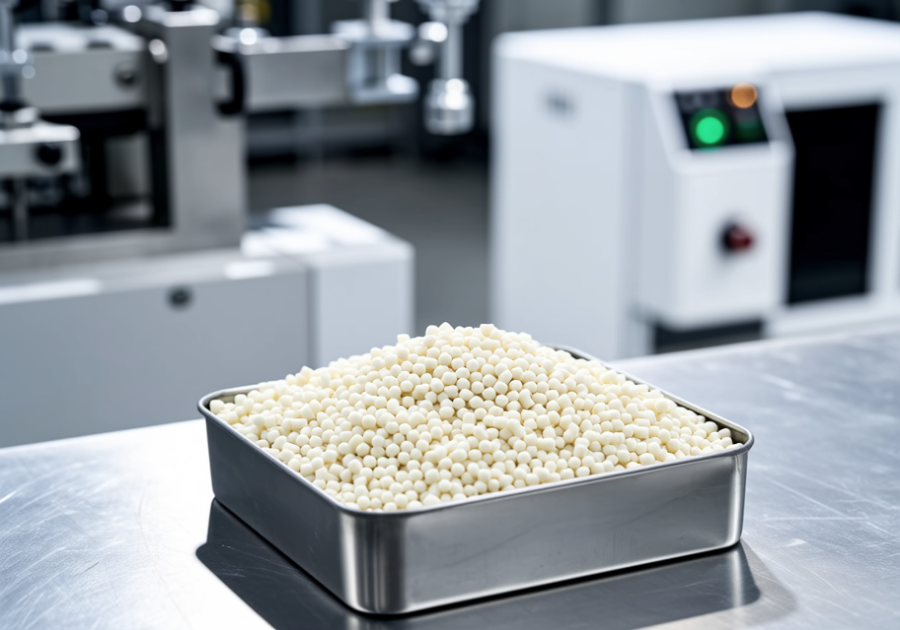
Flake potassium hydroxide is a solid compound. It has a flake or flaky structure, and its common color is white or slightly yellow. Flake potassium hydroxide can absorb moisture at room temperature and is highly corrosive.
The main use of flake potassium hydroxide is as a chemical reagent. It acts as an alkaline regulator in the manufacture of soaps and detergents. It is also widely used in battery manufacturing, aluminum smelting and catalyst preparation.
The method of preparing flake potassium hydroxide is mainly through electrolysis of potassium chloride solution, and then drying the produced potassium hydroxide precipitate. This preparation process needs to be carried out under strictly controlled conditions because potassium hydroxide is highly corrosive. It can deprive the skin of moisture and cause skin burns. Appropriate personal protective equipment, such as gloves and goggles, needs to be worn during operation. Avoid inhaling its dust or contact with skin and eyes.
Main factors affecting the potassium hydroxide flakes price
1. One of the important factors affecting the potassium hydroxide flakes price is its production raw materials. The main raw material used in the production of potassium hydroxide is potassium chloride. China is one of the countries with scarce potassium resources and needs to import a large amount of potassium chloride from abroad every year. At present, the potassium chloride used by many domestic potassium hydroxide production plants is basically second-hand or third-hand sources, which leads to a high cost price; the production process of potassium hydroxide also involves other raw materials, including potassium carbonate, barium chloride, magnesium, sulfate, hydrochloric acid, chlorine, calcium carbonate, etc., and the price change of any of these materials will cause changes in the price of potassium hydroxide flakes.
2. Production process. At present, there are three main methods for industrial production of potassium hydroxide: diaphragm method, mercury method, and ion membrane method. The three processes require different equipment and processes, which also leads to different costs.
3. Coal price. Since coal baking is required in the production process of solid potassium hydroxide, and the price of coal also fluctuates with market fluctuations, the production cost of potassium hydroxide fluctuates;
4. The level of transportation costs. When oil prices rise, freight rates also increase, and when the goods are sent to buyers, the price is higher than usual;
As can be seen from the above, the factors affecting the potassium hydroxide flakes price are diverse and complex. With the continuous improvement of the output and quality of potassium chloride in China, the production process has also been continuously improved, making the current selling price of domestic high-purity potassium hydroxide have certain advantages over imported prices. The development prospects of potassium hydroxide in the future will be very bright.

You May Interested In


2026-09-15
Trade Alert
Delivering the latest product trends and industry news straight to your inbox.
(We'll never share your email address with a third-party.)

Related News
-
Chung Lien Oil’s 8,000-Ton Soybean Oil BaP Scandal: NT$165 Million Fine, 401 Product Recalls, Source Still Unknown
-
Brazil Expands Chemical Tax Breaks as India’s Crop Protection Industry Warns of a 25% Cost Increase
-
25 Companies Raise Prices Three Times Within a Month: China’s Titanium Dioxide Industry Shifts from “Price Wars” to a “Pricing Alliance”
-
DKSH Expands Partnership with Assessa to Distribute Botanical Ingredients Across China
-
ADNOC Reroutes Naphtha via Oman to Bypass Hormuz Risk
-
US MDI Supply Squeeze Triggers Price Hikes
-
Uzbekistan Bets $17 Billion on Chemical Industry Upgrade
-
From Painting Walls to Total Collapse: The RMB 152 Million Debt That Tore Off the Last Veil of Asia Chuangneng’s Paint Empire
-
Lupin Secures Tentative U.S. Approval for Its Multiple Sclerosis Tablet
-
Selling the Family Silver for a New Suit? Why Bohai Chemical’s Transformation Drama Got Canceled After Just Two Acts
Recommend Reading
-
![From “10,000-Ton Bet” to “5,000-Ton Test”: Acore’s Polyetheramine Dilemma—Is This a Symptom of Industry Winter or the Prelude to Strategic Retreat?]()
From “10,000-Ton Bet” to “5,000-Ton Test”: Acore’s Polyetheramine Dilemma—Is This a Symptom of Industry Winter or the Prelude to Strategic Retreat?
-
![“Oil Sheikhs” Buy Germany’s Chemical Crown: A €14.7 Billion Green Gamble or a Power Play in the Age of Carbon Neutrality?]()
“Oil Sheikhs” Buy Germany’s Chemical Crown: A €14.7 Billion Green Gamble or a Power Play in the Age of Carbon Neutrality?
-
![Celanese to Close Acetate Tow Plant in Lanaken, Belgium by 2026]()
Celanese to Close Acetate Tow Plant in Lanaken, Belgium by 2026
-
![From Rust to Recharge: Novonix Ignites America’s Graphite Independence with Twin Mega-Plants in Chattanooga]()
From Rust to Recharge: Novonix Ignites America’s Graphite Independence with Twin Mega-Plants in Chattanooga
-
![“Fake Fame” in a Forgotten Dock: Chinese Authorities Bust $100,000 Counterfeit Building Materials Ring]()
“Fake Fame” in a Forgotten Dock: Chinese Authorities Bust $100,000 Counterfeit Building Materials Ring
-
![Premium Global Chemical Sourcing Requests (16-19July, 2026)]()
Premium Global Chemical Sourcing Requests (16-19July, 2026)
-
![Business Society’s Market Outlook for Palm Oil on August 10, 2026: Volatile Rise]()
Business Society’s Market Outlook for Palm Oil on August 10, 2026: Volatile Rise
-
![Premium Global Chemical Sourcing Requests (10-12Aug, 2026)]()
Premium Global Chemical Sourcing Requests (10-12Aug, 2026)
-
![Bulls and Bears in a Tight Spot: ABS Rides Out High Levels at End of March]()
Bulls and Bears in a Tight Spot: ABS Rides Out High Levels at End of March
-
![Cost Support Limited, Maleic Anhydride Prices in China Drop Significantly]()
Cost Support Limited, Maleic Anhydride Prices in China Drop Significantly