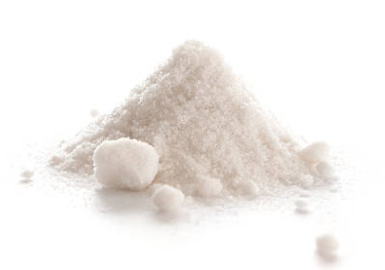
Uses of zinc sulphide in reinforced PVC profiles
Zinc sulphide is a zinc sulfide, which is a white to yellow powder or crystal. It is insoluble in water and will emit light due to the irradiation of alpha particles. It mainly exists in the form of sphalerite and wurtzite. What are the main uses of zinc sulphide and how dose it reinforce PVC profiles?
The uses of zinc sulphide in manufacturing rubber and plastics
Zinc sulphide is widely used in the manufacturing of rubber and plastics. It can be used as an initiator and activator, and plays an important role in polymerization, cross-linking and vulcanization reactions. Zinc sulphide can help the surface of rubber and plastic vulcanization and curing, making it less prone to deformation, aging and fracture. It is widely used in the manufacture of tires, seals, conveyor belts, insulation materials, etc.
The uses of zinc sulphide in manufacturing coatings and coating additives
Zinc sulphide can also be used as an important component of coatings and coating additives to enhance the durability, water resistance and chemical resistance of coatings. When zinc sulphide is mixed with other compounds, it can form a high-performance composite material suitable for a variety of colors, environments and application scenarios. Due to its excellent electrical conductivity and plasticity, it is widely used in aviation, shipbuilding, automobiles, construction and other fields.
There are two methods for preparing zinc sulphide, one is chemical method and the other is physical method. Among them, the physical method is prepared by high-temperature vapor deposition. The zinc sulphide prepared by the physical method has high purity and does not contain impurities, so it is more suitable for uses of zinc sulphide in reinforced PVC profiles.
The uses of zinc sulphide in reinforced PVC profiles
The application of zinc sulphide in PVC profiles is mainly as a filler and additive to improve the performance and processing characteristics of PVC.
In PVC profiles, zinc sulphide can provide the following benefits:
- Enhanced mechanical properties: Zinc sulphide can enhance the compressive strength and tensile strength of PVC and improve the mechanical stability of the profile.
- Improved thermal stability: Zinc sulphide helps to improve the thermal stability of PVC, enabling the profile to maintain its performance without loss in high temperature environments.
- Improve chemical resistance: Zinc sulphide has a certain acid and alkali resistance, which can improve the chemical resistance of PVC profiles in harsh environments.
- Improve processing performance:Zinc sulphide can improve the fluidity of PVC, making it easier to plasticize during processing, thereby improving production efficiency.
- Improve UV stability: Zinc sulphide has a certain UV absorption capacity and can be used as a light stabilizer to prevent PVC profiles from degrading due to UV exposure.
- Adjust color and whiteness: The color of zinc sulphide can affect the final color of PVC profiles and is one of the widely used whitening agents in PVC. It can make PVC products whiter and more shiny and enhance its UV resistance. When zinc sulphide is used in combination with other whitening agents such as methyl methacrylate copolymer, it can also enhance the whitening effect and reduce costs.
In practical applications, the amount of zinc sulphide added needs to be rigorously tested and optimized to ensure that it can achieve the expected performance without adversely affecting the final performance of PVC profiles. In addition, cost-effectiveness and environmental protection requirements need to be considered to ensure the market competitiveness of the final product.
It should be noted that the application of zinc sulphide in PVC profiles needs to comply with relevant regulations and standards, especially in food contact, pharmaceutical applications and other sensitive areas to ensure product safety. When developing new products, it is very important to conduct sufficient experiments and performance tests.

You May Interested In


High Quality β-Nicotinamide adenine dinucleotide CAS 53-84-9 NADwith ready stock and best price
$3/UNIT FOB


2026-10-14
Trade Alert
Delivering the latest product trends and industry news straight to your inbox.
(We'll never share your email address with a third-party.)

Related News
-
Middle East Conflict Pushes Up Oil Prices as More Than 100 Chemical Raw Materials Rise in Concentration
-
Redwall Raises Prices by as Much as 80%, Songwon Launches Global Increases, and Chemical Companies Are Collectively Passing On Costs
-
Kraton Announces Strategic Plan to Streamline Polymer Operations in Berre, France
-
Sulfur Price Hits 7,633 CNY/Ton, Up Nearly Sixfold in a Year and a Half; Domestic Refining Giants Halt New Orders Due to Tight Supply
-
Middle East Crude Exports Rebound Sharply in September as Saudi Arabia Returns to Market at 5.4 Million bpd
-
Iran Closes Strait of Hormuz to All Vessels: Global Chemical Trade Gets Choked
-
TSMC, Samsung, and SK Hynix Scramble for Electronic-Grade Hydrofluoric Acid as High-End Supply Tightens; Some Suppliers Raise Prices by 30% This Year
-
Behind Japan's Tungsten Hexafluoride Crisis: Can China's Electronic Specialty Gases Seize a New Opportunity?
-
Celanese Raises Acetyl Chain Prices Globally, VAM Up $150/MT in Latin America
-
U.S. Fighter Jet Strikes Commercial Cargo Ship in Gulf of Oman, Disabling Propulsion
Recommend Reading
-
![He Spent 40 Years at Nestlé—Then Was “Cleared Out” Days After Becoming CEO: This Isn’t a Scandal, It’s Capital’s Coldest Face]()
He Spent 40 Years at Nestlé—Then Was “Cleared Out” Days After Becoming CEO: This Isn’t a Scandal, It’s Capital’s Coldest Face
-
![Australia Launches Anti-Circumvention Trade Probe into China’s 2,4-D Supply Chain]()
Australia Launches Anti-Circumvention Trade Probe into China’s 2,4-D Supply Chain
-
![Global Biologicals M&A Storm: How 2025 Redrew the Agricultural Innovation Map]()
Global Biologicals M&A Storm: How 2025 Redrew the Agricultural Innovation Map
-
![“Changing the Captain at Sea”: Hempel’s CEO Departs to Run a Ferry Giant—This Isn’t a Resignation Notice, It’s an Industry Stress Map]()
“Changing the Captain at Sea”: Hempel’s CEO Departs to Run a Ferry Giant—This Isn’t a Resignation Notice, It’s an Industry Stress Map
-
![Singapore Orders Nestlé Formula Recall as Infant Safety Comes Under the Spotlight]()
Singapore Orders Nestlé Formula Recall as Infant Safety Comes Under the Spotlight
-
![Supply at Low Levels, PC Prices Remain Firm in May in China]()
Supply at Low Levels, PC Prices Remain Firm in May in China
-
![Oxalic Acid: Acidity (pKa), Sources, and Kidney Stone Risk]()
Oxalic Acid: Acidity (pKa), Sources, and Kidney Stone Risk
-
![Supply and Demand Game: Flexible Trends in the Chinese Melamine Market]()
Supply and Demand Game: Flexible Trends in the Chinese Melamine Market
-
![Market Calm, Acrylonitrile Market Fluctuates within a Range in China]()
Market Calm, Acrylonitrile Market Fluctuates within a Range in China
-
![Bearish Factors Exhausted, Hydrogen Peroxide Prices Still Have Room to Rise in Late May]()
Bearish Factors Exhausted, Hydrogen Peroxide Prices Still Have Room to Rise in Late May