EU Approves Thyme Essential Oil as a Technological Feed Additive for Chickens
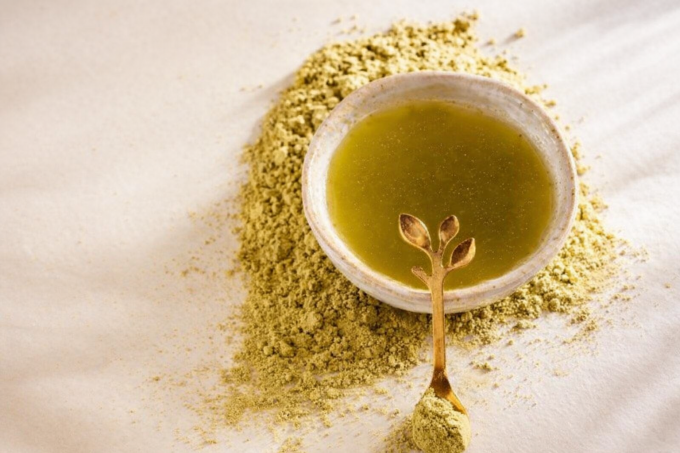
On the date of August 8, 2024, the European Commission published a new regulation officially authorizing the use of spice oil as a technical additive in animal feed for chickens. The main active ingredient in these approved essential oils is thyme, which is extracted from our common aromatic plant, thyme.
This decision is based on an exhaustive scientific assessment conducted by the European Food Safety Authority (EFSA). In its assessment report, EFSA states that at the recommended dosages and conditions, the essential oil derived from thyme is safe for chickens, the end consumer and the natural environment. In addition to this, it can also act as an effective preservative to help extend the shelf life of feed.
Prior to this, the European Union has approved thyme essential oil as an additive in the feed of broilers and laying hens. This approval has now been further extended to cover all types of chicken feed. This expansion will undoubtedly provide more options for feed producers and farmers, allowing them to adapt their feed formulation to their own farming needs.
This important initiative fully demonstrates the EU's strong determination in animal feed safety and quality management. The EU is constantly committed to improving the safety and quality standards of feed, and is also committed to providing more technical guidance and policy support for the feed industry and related industrial chains to ensure the sustainable development of the entire industry.

You May Interested In


High Quality β-Nicotinamide adenine dinucleotide CAS 53-84-9 NADwith ready stock and best price
$3/UNIT FOB


2026-10-15
Trade Alert
Delivering the latest product trends and industry news straight to your inbox.
(We'll never share your email address with a third-party.)

Related News
-
Hormuz Closes, Paint Feels It First: How a Barrel of Oil Rewrites the Cost of Every Barrel of Coatings
-
Titanium Dioxide Prices Are Up Again! This Round of Increases Has One Real Driver: Sulfuric Acid
-
Trump Tariff "Boomerang": $2.5 Billion Polysilicon Factory Faces Shutdown Crisis
-
Retinol in Cosmetics: Regulatory Tightening and Market Changes
-
This Is Not a Price Increase Wave but a Full-Blown Cost Squeeze Across China’s Coatings Chain
-
U.S. Strikes Three Iranian Tankers as “Tanker-for-Tanker” Escalation Raises Chemical Shipping Risk
-
Panama Canal Delays Deeper Draft Cut, but Transit Capacity Is Still Tightening
-
Middle East Conflict Pushes Up Oil Prices as More Than 100 Chemical Raw Materials Rise in Concentration
-
Redwall Raises Prices by as Much as 80%, Songwon Launches Global Increases, and Chemical Companies Are Collectively Passing On Costs
-
UAE Withdraws from OPEC
Recommend Reading
-
![Global Oil Inventories Fall: Restocking Demand May Keep Petrochemical Costs Supported]()
Global Oil Inventories Fall: Restocking Demand May Keep Petrochemical Costs Supported
-
![Rhine Drought Disrupts German Chemical Logistics, Raising Supply Risks for BASF, Covestro and Evonik]()
Rhine Drought Disrupts German Chemical Logistics, Raising Supply Risks for BASF, Covestro and Evonik
-
![Aramco Acquires Sumitomo’s Stake for $702 Million, Boosting Control of Petro Rabigh to 60% — What Global Ambitions Does This Move Reveal?]()
Aramco Acquires Sumitomo’s Stake for $702 Million, Boosting Control of Petro Rabigh to 60% — What Global Ambitions Does This Move Reveal?
-
![Laboratoire PYC showcases its collagen-driven nutricosmetic innovations]()
Laboratoire PYC showcases its collagen-driven nutricosmetic innovations
-
![Kemira to Acquire SIDRA Wasserchemie, Expanding European Water Treatment Footprint]()
Kemira to Acquire SIDRA Wasserchemie, Expanding European Water Treatment Footprint
-
![Zoledronic Acid: Uses, Mechanism, and Side Effects]()
Zoledronic Acid: Uses, Mechanism, and Side Effects
-
![China's Natural Rubber Prices Show a Slight Decline]()
China's Natural Rubber Prices Show a Slight Decline
-
![Cost Values and Demand-Side Game: PP Prices Consolidate After Rising in July]()
Cost Values and Demand-Side Game: PP Prices Consolidate After Rising in July
-
![Strong Supply and Weak Demand & Cost Regression: PC Prices First Decline Then Rise in July in China]()
Strong Supply and Weak Demand & Cost Regression: PC Prices First Decline Then Rise in July in China
-
![Premium Global Chemical Sourcing Requests (30 July-2Aug, 2026)]()
Premium Global Chemical Sourcing Requests (30 July-2Aug, 2026)