Vegetable Oil or Canola Oil, How to Distinguish?
All oils and fats that are extracted from plant materials, including seeds, pulp, and other plant parts, are collectively referred to as vegetable oil. It can be challenging to tell if an oil is vegetable oil or canola oil sometimes. Come with me as we solve this!
Understanding vegetable oil or canola oil
-Vegetable oil
Vegetable oils are abundant in nature and are substances created when glycerol and fatty acids combine. These include fats and oils from canola, peanut, soybean; and castor that are derived from the fruits, seeds, and germs of plants. In addition to soft stearic acid, stearic acid and oleic acid, the fatty acids in vegetable oils contain a variety of unsaturated acids such as erucic acid and eleostearic acid. These fatty acids contained in vegetable oils can moisturize and brighten the skin. Vitamin E, K, calcium, iron, and other minerals are mostly found in vegetable oil.
-Canola oil
Canola oil is a transparent or semi-transparent liquid obtained by pressing the seeds of cruciferous plant rapeseed, with a golden or brownish-yellow color. Canola oil has a certain irritating odor, but the rapeseed of developed varieties will not produce this kind of odor.
Arachidonic acid (0.4–1.0%), oleic acid (14–19%), linoleic acid (12–24%), erucic acid (31–55%), and linolenic acid (1–10%) are all present in canola oil. Canola oil can be ingested by most people and has a high absorption rate of 99% in the human body. In terms of nutritional value, canola oil is rapidly absorbed and digested by the human body, and its bile function is positively impacted. The body may also normally metabolize canola ketone in the liver when it is in a pathogenic condition.
About 60% of canola oil is made up of oleic acid, an anti-inflammatory and immune-boosting substance that aids in wound healing. Vitamin E and other elements, along with unsaturated fatty acids like linoleic and linolenic acid, are found in canola oil. While linolenic acid has a role in the formation of the human brain and retina, linoleic acid lowers the risk of cardiovascular and other disorders. People who are watching their cholesterol levels can use canola oil with confidence because it has little to no cholesterol. Patients with coronary heart disease and high blood pressure should still be mindful to consume less because regular canola oil includes erucic acid, which is bad for the heart.
Distinguishing vegetable oil and canola oil
How can people distinguish between canola oil and vegetable oil when canola oil is one of the latter? These are some tips for telling it is vegetable oil or canola oil based on color and scent.
-Color
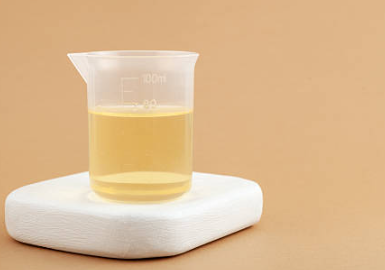
The most apparent way to tell whether an oil is vegetable oil or canola oil is the color. Vegetable oil's hue changes depending on where it is extracted from. For example, peanut oil has a clear, brilliant appearance and it is translucent and pale yellow in color. The refined sunflower oil has a pleasing yellow tint, almost like greenish yellow. Typically, canola oil is colored a rich yellow or brown.
-Scent
The ability of humans to detect the origins of vegetable oils through their scents is a fascinating fact. As a result, the question of vegetable oil or canola oil can be determined by smelling. For instance, peanut oil tastes a flavor of and has a pleasant scent of peanuts. With its robust sesame taste, sesame oil works well as a salad and dipping sauce ingredient. Canola oil contains a little amount of glucosinolates, which gives it a mildly unpleasant smell. Canola oil is therefore an unfavorable choice for salad. Fortunately, canola oil today has a low erucic acid level of less than 3% thanks to germplasm breeding, which significantly lessens the oil's traditional strong flavor. So, there's no need to be concerned that it will mask the genuine flavor of the food.
Conclusion
Vegetable oil or canola oil? Now, you won't be perplexed by the array of vegetable oils in the shop anymore. The differences can be identified in a matter of seconds by its color. Undoubtedly, the final and exclusive criteria that allows for an accurate identification of each oil is its label. Being aware of the unique smells and nutrients they carry, you can select one that is appropriate for your cuisine.
Looking for chemical products? Let suppliers reach out to you!
You May Interested In


2026-10-01
Trade Alert
Delivering the latest product trends and industry news straight to your inbox.
(We'll never share your email address with a third-party.)

Related News
-
Glycopyrronium: Pharmaceutical Applications, Mechanism, and Chemical Specs
-
Methanol Methyl Alcohol vs Ethanol: Toxicity, Fuel Uses, and Industrial Solvent Safety
-
What are Acetoglycerides? (Definition & Food Industry Uses)
-
Sodium Nitrate: Fertilizer, Food Preservative, and Chemical Properties
-
What is Aconitic Acid? (Chemistry & Occurrence)
-
What is Sodium Hipoklorit? (Definition, Uses & Safety)
-
Understanding Titanium Oxide: Properties and Uses
-
Carbon Tetrachloride: Uses, Hazards, and Industrial Applications
-
Calcium Acetate: Medical and Industrial Applications
-
A New Weapon Against Spider Mites: Canada Moves to Approve Novel Miticide for Greenhouse Growers
Recommend Reading
-
![Microcrystalline Cellulose: Applications in Pharmaceuticals]()
Microcrystalline Cellulose: Applications in Pharmaceuticals
-
![Sulfuric Acid (H2SO4): Properties, Battery Uses, and Extreme Safety Hazards]()
Sulfuric Acid (H2SO4): Properties, Battery Uses, and Extreme Safety Hazards
-
![What is Trametenolic Acid? (Structure, Sources & Research)]()
What is Trametenolic Acid? (Structure, Sources & Research)
-
![Cocamidopropyl Betaine: Uses, Benefits, and Safety]()
Cocamidopropyl Betaine: Uses, Benefits, and Safety
-
![Potassium Carbonate: Properties, Uses, and Applications]()
Potassium Carbonate: Properties, Uses, and Applications
-
![Double Negative Impact on Costs and Demand—Polyester Staple Fiber Prices Shift Lower in May]()
Double Negative Impact on Costs and Demand—Polyester Staple Fiber Prices Shift Lower in May
-
![Narrow Range Consolidation in the Ethanol Market]()
Narrow Range Consolidation in the Ethanol Market
-
![Both Cost and Demand Weaken, PTA Prices Fluctuate and Decline in May]()
Both Cost and Demand Weaken, PTA Prices Fluctuate and Decline in May
-
![In May, China's acetone market shows weak supply and demand, leading to a downward trend]()
In May, China's acetone market shows weak supply and demand, leading to a downward trend
-
![MTBE Market Prices Fluctuate and Decline]()
MTBE Market Prices Fluctuate and Decline