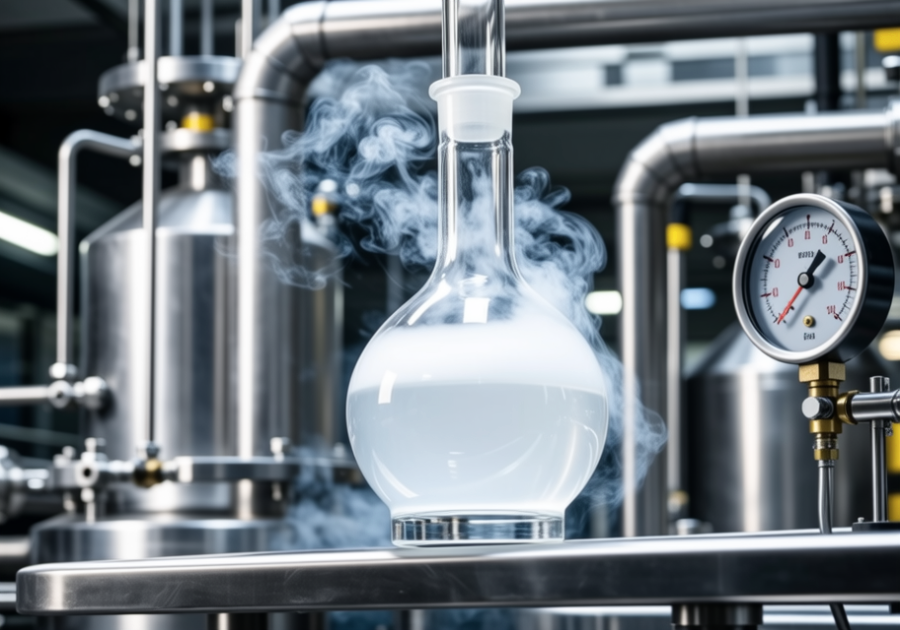
Spring Water vs Distilled Water | Comparative Review
In the ever-evolving quest for optimal hydration, two contenders have emerged as popular choices that are spring water vs distilled water. Yet, these options have individual characteristics. It is very important to understand the contrast between them, choosing one that fits your health goals and taste. From revitalizing cells to purifying skin, this safe and all-natural elixir detoxifies the body, rejuvenates the mind, and invigorates the soul.
Spring Water: The Natural Filtration Process
The source of the spring water is directly from the earth's interior and that is the reason why it is often named this way as it usually reaches the earth's surface with the help of cracks or crevices. This water is usually drawn from aquifers, or natural bedrock reservoirs, which it has been naturally purified by passing through layers of lava, rock, slime, and soil.
As spring water comes through the earth's layer it is allowed to naturally filter out most of the impurities and toxins. The process of filtration in this method depends on the physical and chemical properties of the encompassing rock formations which in turn can take off different particles, bacteria and some minimum amounts of dissolved elements.
Mineral Content and Taste
As for the spring water, one of the things that make it unique is the mineral content in it which is natural and thus adds to the water’s own distinct taste. The molecule content in spring water is different from one another because of the fact that it passes through various formations of the geological area, therefore spring water has a unique flavour and can be beneficial for health.
Distilled Water: The Distillation Process
Distilled Water comes through the distillation of water which is a product of a water purification process where water is boiled and all false substances are converted to gas. This procedure includes heating water until it converts into steam, accumulating it, and re-condensing it back into a liquid for the impurities and contaminants.
Removing Impurities and Contaminants
Distillation is an effective method of water treatment since harmful contaminants and impurities are filtered during the process. Such dissolved minerals, heavy metals, bacteria, viruses, and organic or inorganic substances make the water unsafe to drink. The final product contains high-purity water in its core, which is mostly free of contamination.
Demineralization and Taste
On the good side, the distillation process offers water that is extremely pure, but also without almost any mineral content, thus producing a sense of a new taste. Some people may sense the lack of minerals in distilled water as unnatural and this can make it seem like unhealthy water, while others may appreciate its clarity and pureness.
Applications and Uses
Whether it is spring water vs distilled water, each of them provides its distinctive purposes and consumption proposes, which are fine-tuned for different purposes and wants as discussed below:
1. Drinking and Cooking
Numerous water bottles have “spring water” written on the front, thus enticing those who expected something pure and delicate in a bottle. Besides that, when it is used for cooking or to make beverages, the minerals can also be used to emphasize unique flavours.
On the other hand, distilled water has the feature of its purity and lack of contaminants. It is a good example because it is applied in appliances like humidifiers, steam irons, and continuous positive airway pressure (CPAP) machines, where mineral buildup can cause problems. Some people may just prefer drinking distilled water, in cases like some health-related benefits or cases of a low-mineral diet.
2. Household and Industrial Uses
Distilled water has found broad use in areas such as homes and industries where demineralization is required. It covers energy storage for vehicle batteries, car irons, or some laboratory instruments. Furthermore, distilled water is advised to be used in aquariums and hydroponics systems so that the water constituents can be controlled.
Even though spring water is safe on the whole, it is not ideal for those cases where utmost purity is particularly required because spring water will possess a natural mineral content.
3. Health Considerations
When discussing spring water vs distilled water, both spring water and distilled water have both potential advantages and disadvantages that can be considered by individuals after assessing their own needs and personal preferences.
The Intrusion of Spring Water and Minerals
Spring water which comes due to the dissolution of minerals, such as calcium, magnesium, and potassium, may even help to meet the mineral intake level. While minerals are inorganic elements that can be found in various substances, certain minerals take charge of bone health, muscle function, and maintaining a balance of the body’s fluids.
Nonetheless, it should be mentioned that the mineral content of spring water is characteristically unstable from the source and can therefore be a problem for health-conscious people with specific health conditions.
"Boiled Water" and "Minerals Near Depletion"
While purified and distilled water are free of any impurities and other contaminants, there are concerns about the body getting the required minerals because of their absence. However, some physicians propose that going for distilled water only may be counterproductive in the long run because so many vital minerals are lost when one exercises, breaths, and sweats.
Minimization of this possibility can be done by drinking distilled water, while maintaining your mineral intake by eating other foods that are rich in these minerals, including fruits, vegetables, and fortified foods.
Environmental Impact
Apart from health effects, the environmental factors between spring water vs distilled water manufacturing are also one of the main issues which must be considered and below are some points discussed in detail:
1. Spring Water and Sustainability
The mining process of water taken in the spring period can be harmful if it is not carried out carefully. Massive or uncontrolled oil drilling of spring water from a single source (or site) could end up destabilizing a given aquifer or changing its ecosystem. To note, the production and distribution of plastic water bottles are also tied to these emissions and waste in this regard.
2. Pumped-up Water and Energy Efficiency
Specifically, the transport of water involves a high level of energy as the production of distilled water relies immensely on the boiling and condensation of the water. Therefore, the amount of energy that is consumed depends on what type of energy is used and how efficient the distillation process is. The bigger the carbon footprint could be, depending on all these factors.
Nonetheless, they ensure that each family can purify their water by providing a kit that can be installed at home. In so doing it implies that transport is minimized and the use of water bottles thereby lowering the environmental footprint.
Conclusion
In the end, the final decision between choosing spring water vs distilled water comes from personal preference, considering health issues, and what is the purposes of the usage. For those who want to taste natural mineral water with a unique taste, spring water would most likely be the adapter, especially when you need it for unwinding and cooking. However, distilled water cannot be matched to the level of purity and is often chosen for equipment requiring totally mineral-free water, such as some kinds of appliances and industrial machines.
Looking for chemical products? Let suppliers reach out to you!
You May Interested In


2026-10-03
Trade Alert
Delivering the latest product trends and industry news straight to your inbox.
(We'll never share your email address with a third-party.)

Related News
-
Understanding Titanium Oxide: Properties and Uses
-
Potassium Sorbate in Food: Safety, Uses, and Alternatives
-
Polyvinyl Alcohol (PVA): Properties, Uses, and Industrial Applications
-
What is Element Stibium? (Antimony Facts & Uses)
-
What is Amylum Starch? (Old Terminology & Modern Equivalent)
-
Etilen Vinil Acetato: Properties, Uses, and Applications
-
Silver Nitrate: Medical Uses, Photography History, and Staining Properties
-
Phosphoric Acid: Uses in Cola, Rust Removal, and Fertilizers Explained
-
EDTA (Ethylenediaminetetraacetic acid): Chelation Therapy & Industrial Uses
-
Polystyrene (PS): Properties, Foam Applications, and Recycling Challenges
Recommend Reading
-
![Calcium Sulfate: Properties, Uses, and Applications]()
Calcium Sulfate: Properties, Uses, and Applications
-
![Magnesium Stearate in Supplements: Is it Safe? (Vegan Status & Function)]()
Magnesium Stearate in Supplements: Is it Safe? (Vegan Status & Function)
-
![Chemical Raw Materials: How to Source Quality Suppliers & Understand Grades]()
Chemical Raw Materials: How to Source Quality Suppliers & Understand Grades
-
![Sodium Chloride (NaCl): Food Grade vs Industrial Grade Uses & Safety Data]()
Sodium Chloride (NaCl): Food Grade vs Industrial Grade Uses & Safety Data
-
![Sodium Hydroxide (Caustic Soda): Soap Making, Cleaning, and pH Control Guide]()
Sodium Hydroxide (Caustic Soda): Soap Making, Cleaning, and pH Control Guide
-
![Business Society’s September 3, 2026 Styrene Market Outlook: Volatile but Tending to Stronger]()
Business Society’s September 3, 2026 Styrene Market Outlook: Volatile but Tending to Stronger
-
![Business Society’s Market Outlook for Phenol on August 18, 2026: Continuing Downward Trend]()
Business Society’s Market Outlook for Phenol on August 18, 2026: Continuing Downward Trend
-
![Business Society’s Market Outlook for Hydrofluoric Acid on September 3, 2026: Volatile but Generally Strong Trend]()
Business Society’s Market Outlook for Hydrofluoric Acid on September 3, 2026: Volatile but Generally Strong Trend
-
![Business Society’s Methanol Market Outlook on August 18, 2026: Clearly Upward Trend]()
Business Society’s Methanol Market Outlook on August 18, 2026: Clearly Upward Trend
-
![Business Society’s Hydrofluoric Acid Market Outlook on September 2, 2026: Volatile (Bullish)]()
Business Society’s Hydrofluoric Acid Market Outlook on September 2, 2026: Volatile (Bullish)