An Exploration of Stearic Acid in Food
Stearic acid in food is very common. In recent years, people have been increasingly concerned about food safety and nutritional value. Based on this background, the attention to the use of additives is gradually rising. Stearic acid is a common fatty acid, it plays a certain role in food processing, and it has many functions and effects. Stearic acid can be found in many products. Stearic acid can affect food’s taste and texture, it also has certain nutritional functions. This article will delve into the stearic acid in food and explore it from different perspectives.
Stearic acid
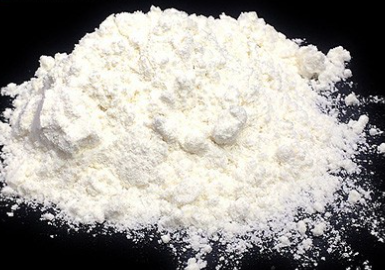
Stearic acid is a saturated fatty acid. It is also known as n-octadecanoic acid because of its long chain structure. Under normal circumstances, it is a white solid, it is insoluble in water at room temperature. However, it can be dissolved in organic solvents such as ethanol, benzene, and ether. Stearic acid can be commonly found in animal and plant fats in nature. It is mainly derived from triglycerides in animal and plant fats and is extracted through processing. There are stearic acids in animal fats, such as lard and butter; Meanwhile, vegetable oils such as coconut oil and cocoa butter also contain abundant stearic acid. It is usually extracted or synthesized from natural oils and fats. In the food industry, stearic acid is often used in its metal salts form, such as sodium stearate and calcium stearate. It is widely used in the field of food industry and plays a relatively important role.
Application of stearic acid in Food
Stearic acid in food has many uses:
As an emulsifier and thickener, it can help to mix water and oil, and then regulate food’s texture and taste, stearic acid can make it softer, smoother, and more viscous. The addition of stearic acid in chocolate and cream products can soften their overall taste.
As a stabilizer, it can stabilize oil-water mixtures in food, prevent them from layering or clumping, and enhance food stability.
Stearic acid can serve as a preservative, it can extend food’s shelf life. It can reduce the possibility of contact between food and oxygen, and prevent its oxidation and spoilage.
Stearic acid can serve as a lubricant and release agent. In the process of food processing, the addition of stearic acid can reduce friction and adhesion, which will improve processing efficiency. For foods like candy and chocolate that require release, stearic acid helps to achieve this process.
In addition to the uses mentioned above, stearic acid is also commonly used in food packaging materials, especially in the manufacturing process of packaging films. It can improve the flexibility and wear resistance of the film, and also increase its waterproofing and oil resistance, thereby protecting food from the influence of the external environment.
Safety
The safety of food additives has always been widely concerned. According to evaluations by the World Health Organization and other institutions, the use of stearic acid in food is safe. It is considered to be noncarcinogenic, mutagenic, or teratogenic, and its usage level in food is within international standards. Although stearic acid in food has many benefits and plays an important role, there are still some safety issues that need to be noted. Some research results indicate that excessive intake of stearic acid is associated with some chronic diseases. Excessive intake of stearic acid may lead to health problems such as obesity and cardiovascular diseases. In addition, some people are allergic to stearic acid. Therefore, it is necessary to avoid long-term excessive intake and consume within the prescribed dosage range. You can consume a moderate amount of stearic acid in your daily diet to ensure a balanced diet, it is wise to have more natural and fresh foods. You are advised to eat less processed foods to ensure a healthy lifestyle.
Attention
When choosing food, consumers should pay more attention to stearic acid’s content. You should read food labels carefully and avoid excessive intake of foods containing stearic acid. For people who are allergic to stearic acid or have other special health needs, they should avoid consuming foods containing stearic acid. Special groups such as infants, pregnant women, and the elderly should pay special attention to the intake of stearic acid to avoid exceeding the limit. In addition, it is best to choose fresh and natural foods in your daily diet. Fish, nuts, and olive oil are rich in fats, and those oils are healthier. In addition, moderate exercise can be used to maintain physical health, which can help you to reduce excess fat in the body and lower the risk of illness.
Conclusion
Stearic acid in food plays an important role. It provides convenience in many ways. However, as a food additive, excessive intake of stearic acid has certain negative effects on health. Special populations should pay more attention to the intake of stearic acid. Therefore, we should control the intake, and consume more natural and fresh food. Appropriate exercise can help maintain healthy lifestyle habits.
Looking for chemical products? Let suppliers reach out to you!
You May Interested In


Glow70/KLOW80 99% China Peptides Warehouse Direct Delivery Lyophilized Powder in Stock
$169/UNIT FOB


2026-10-25
Trade Alert
Delivering the latest product trends and industry news straight to your inbox.
(We'll never share your email address with a third-party.)

Related News
-
HNO2 (Nitrous Acid): Properties, Uses, and Safety
-
Heptane: Properties, Uses, and Industrial Applications
-
Gellan Gum (E418): Vegan Thickener vs. Xanthan Gum in Food
-
Sodium Hydroxide Reactions: With Aluminum, Acids, and Metals
-
Barium Sulfide: Properties, Uses, and Safety
-
Vanillin: Properties, Uses, and Safety
-
What is Amylum Starch? (Old Terminology & Modern Equivalent)
-
What is Element Stibium? (Antimony Facts & Uses)
-
Ethylene Glycol: Production, Uses, and Safety
-
Fipronil: Uses, Safety, and Environmental Impact
Recommend Reading
-
![Calcium Sulfate: Properties, Uses, and Applications]()
Calcium Sulfate: Properties, Uses, and Applications
-
![Applications of Caesium Iodide]()
Applications of Caesium Iodide
-
![Chemical Properties and Uses of Tetraetil]()
Chemical Properties and Uses of Tetraetil
-
![L-Alanine: Amino Acid Profile, Sports Nutrition, and Metabolic Role]()
L-Alanine: Amino Acid Profile, Sports Nutrition, and Metabolic Role
-
![Potassium Nitrate Reactions & Uses (KNO3)]()
Potassium Nitrate Reactions & Uses (KNO3)
-
![Business Society September 22, 2026 Phosphoric Acid Trend Analysis: Volatility]()
Business Society September 22, 2026 Phosphoric Acid Trend Analysis: Volatility
-
![Business Society September 21, 2026 Epoxy Chloropropane Trend Analysis: Volatility (Bearish)]()
Business Society September 21, 2026 Epoxy Chloropropane Trend Analysis: Volatility (Bearish)
-
![Business Society September 22, 2026 Iso-octanol Trend Analysis: Clear Decline]()
Business Society September 22, 2026 Iso-octanol Trend Analysis: Clear Decline
-
![Business Society September 22, 2026 Formic Acid Trend Analysis: Clearly Downward]()
Business Society September 22, 2026 Formic Acid Trend Analysis: Clearly Downward
-
![2026 Mid-Autumn Festival & National Day Holiday Notice]()
2026 Mid-Autumn Festival & National Day Holiday Notice