EU Approves Grape Seed Extract as a Basic Substance
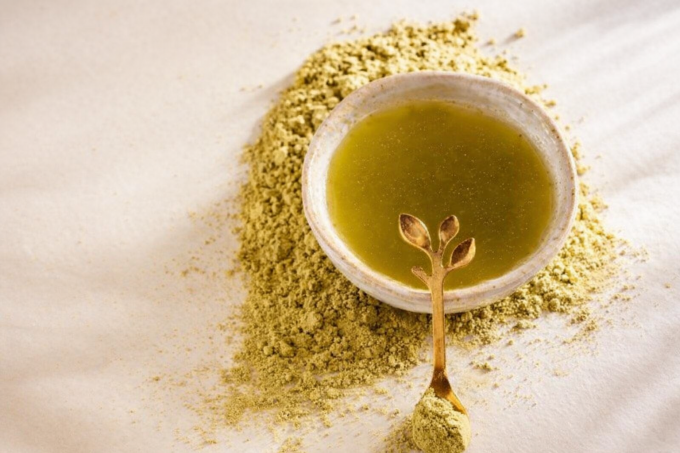
On January 22, 2025, the European Commission announced the adoption of Regulation (EU) 2025/96, which officially approves grape seed extract (Vitis vinifera L. seed extract) as a basic substance for use in various applications.
Key Details of the Regulation
- The regulation is set to take effect 20 days after publication.
- The approval is in accordance with Regulation (EC) No 1107/2009, which governs the placing of plant protection products on the market.
Significance of Grape Seed Extract
Grape seed extract is noted for its potential benefits in plant protection, particularly as a fungicide for crops such as grapevines, apples, potatoes, and lettuce. The extract is recognized for its efficacy and safety, fulfilling the necessary conditions outlined in the European legislation.
Implications for Use
The approval allows for the grape seed extract to be utilized in accordance with specific conditions detailed in the accompanying review report. This includes maintaining a minimum content of 75% of oligomeric proanthocyanidins on an anhydrous basis.
The approval of grape seed extract marks a significant step in enhancing the use of natural substances in agriculture, reflecting the EU's commitment to promoting safer and more effective plant protection methods. For more information on the regulation, please visit the EU legal content page.

You May Interested In


High Quality β-Nicotinamide adenine dinucleotide CAS 53-84-9 NADwith ready stock and best price
$3/UNIT FOB


2026-10-14
Trade Alert
Delivering the latest product trends and industry news straight to your inbox.
(We'll never share your email address with a third-party.)

Related News
-
Hormuz Closes, Paint Feels It First: How a Barrel of Oil Rewrites the Cost of Every Barrel of Coatings
-
Titanium Dioxide Prices Are Up Again! This Round of Increases Has One Real Driver: Sulfuric Acid
-
Trump Tariff "Boomerang": $2.5 Billion Polysilicon Factory Faces Shutdown Crisis
-
Retinol in Cosmetics: Regulatory Tightening and Market Changes
-
This Is Not a Price Increase Wave but a Full-Blown Cost Squeeze Across China’s Coatings Chain
-
U.S. Strikes Three Iranian Tankers as “Tanker-for-Tanker” Escalation Raises Chemical Shipping Risk
-
Panama Canal Delays Deeper Draft Cut, but Transit Capacity Is Still Tightening
-
Middle East Conflict Pushes Up Oil Prices as More Than 100 Chemical Raw Materials Rise in Concentration
-
Redwall Raises Prices by as Much as 80%, Songwon Launches Global Increases, and Chemical Companies Are Collectively Passing On Costs
-
UAE Withdraws from OPEC
Recommend Reading
-
![“Amputation or Strategic Retreat?”: Shell’s Six-Year Chemical Losses and the Quiet Unwinding of an Empire]()
“Amputation or Strategic Retreat?”: Shell’s Six-Year Chemical Losses and the Quiet Unwinding of an Empire
-
![“The 40-Year Ethylene Giant Collapses”: ExxonMobil’s Premature Shutdown Is Not Just Scotland’s Tragedy—It’s the Twilight Elegy of European Industrial Civilization]()
“The 40-Year Ethylene Giant Collapses”: ExxonMobil’s Premature Shutdown Is Not Just Scotland’s Tragedy—It’s the Twilight Elegy of European Industrial Civilization
-
![Kemira to Acquire SIDRA Wasserchemie, Expanding European Water Treatment Footprint]()
Kemira to Acquire SIDRA Wasserchemie, Expanding European Water Treatment Footprint
-
![Laboratoire PYC showcases its collagen-driven nutricosmetic innovations]()
Laboratoire PYC showcases its collagen-driven nutricosmetic innovations
-
![MDI Price Surge Hits EMEAI: Is This a Market Correction or the Beginning of a Supply Crisis?]()
MDI Price Surge Hits EMEAI: Is This a Market Correction or the Beginning of a Supply Crisis?
-
![Insufficient Support, n-Butanol Market Continues to Decline in China]()
Insufficient Support, n-Butanol Market Continues to Decline in China
-
![Supply-Demand Dynamics Dominate Market Landscape; Formic Acid Prices Remain Stable with a Slight Increase]()
Supply-Demand Dynamics Dominate Market Landscape; Formic Acid Prices Remain Stable with a Slight Increase
-
![Methanol Market Shows Narrow Fluctuations in China]()
Methanol Market Shows Narrow Fluctuations in China
-
![February 10 Isopropanol Market Remains Stable in China]()
February 10 Isopropanol Market Remains Stable in China
-
![Costs Decline & Trading Activity Shrinks—ABS Market Quiet Ahead of the Holiday]()
Costs Decline & Trading Activity Shrinks—ABS Market Quiet Ahead of the Holiday