US Chemical Companies Launch Anti-Dumping Petition Against Chinese MDI with 500% Impact
Recently, U.S. chemical giants BASF and Dow Chemical filed a petition for anti-dumping and anti-subsidy investigations on MDI imports from China, estimating a dumping margin between 305.81% and 507.13%. This has garnered significant attention within the chemical industry.
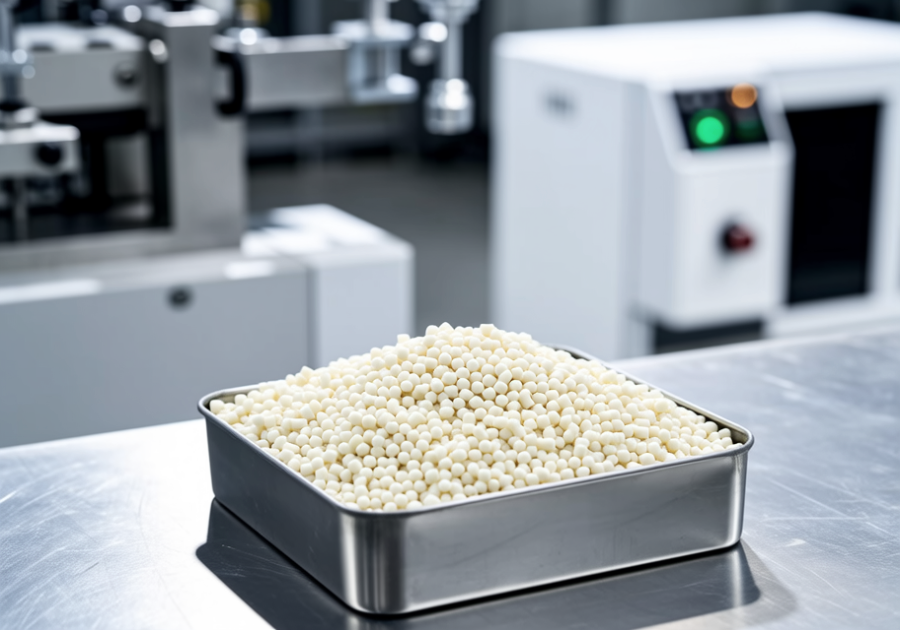
MDI, or methylene diphenyl diisocyanate, is crucial in producing polyurethane foam, insulation materials, coatings, and rubber cross-linking agents, making it one of the highest barrier products in the chemical sector. The demand for MDI has surged in recent years due to its applications in construction, energy-efficient insulation, and various consumer products, including appliances and cold chain containers.
The petition involves several companies, including BASF Polyurethane (Chongqing) and Wanhua Chemical Group, and covers products processed in third countries. The investigation timeline indicates that the U.S. Department of Commerce will initiate the investigation on March 4, 2025, with preliminary rulings expected later in the year.
Industry experts note that during Trump’s first term, MDI was already subjected to a 25% tariff under Section 301. Recently, an additional 10% tariff on all Chinese imports was announced, which will further impact MDI pricing. U.S. domestic producers are now seeking to increase anti-dumping duties to raise import prices.
For Chinese companies, particularly Wanhua Chemical, which holds a significant share of MDI exports, this situation could reshape global trade flows. With China’s MDI production capacity expected to reach 4.77 million tons in 2024, accounting for about 43.56% of the global market, the potential for reduced exports to the U.S. could have a significant impact.
Analysts predict that while the U.S. may see increased competition from other Asian manufacturers, Wanhua Chemical, leveraging its cost advantages, may continue to maintain a strong export volume despite these challenges. The expected rise in MDI prices due to the petition could lead to a tightening of trade flows in the Asia-Pacific region.

You May Interested In


High Quality β-Nicotinamide adenine dinucleotide CAS 53-84-9 NADwith ready stock and best price
$3E+1/UNIT FOB


2026-10-22
Trade Alert
Delivering the latest product trends and industry news straight to your inbox.
(We'll never share your email address with a third-party.)

Related News
-
After 20 Years of Negotiations, 90% of Tariffs to Be Cut! EU and Mercosur Sign Free Trade Agreement: Trade Barriers Ease, Transatlantic Cooperation Warms Up?
-
Is India’s “Luck” Finally Here? HPCL’s 10-Year LNG Deal Is a High-Stakes Bet on National Destiny
-
“Deregulation” or “Concession”? The Hidden Crisis Behind India’s Repeal of QCOs on Seven Key Petrochemicals
-
MDI Price Surge Hits EMEAI: Is This a Market Correction or the Beginning of a Supply Crisis?
-
Cracking Europe: When the Chemical Empire Loses Its Heat
-
Urea Prices Surge as India Faces Critical Shortages: Will China’s Export Quotas Provide Relief?
-
Two Commercial Ships Confirmed Sunk Near Strait of Hormuz Within 24 Hours
-
From Coffee Waste to Superfood Additive: EU Declares Pectin-Rich Arabica Extract Safe for Food Use
-
Australia Approves Lab-Grown “Milk Sugar” for Babies—A Breakthrough in Infant Nutrition
-
“Soaring Sulfuric Acid, Tightening Ore Supplies”: The High-Stakes Battle Behind the Titanium Dioxide Price Surge
Recommend Reading
-
![Shell Qatar GTL Unit Partially Restarts, Enters Spot Market]()
Shell Qatar GTL Unit Partially Restarts, Enters Spot Market
-
![Lupin Secures Tentative U.S. Approval for Its Multiple Sclerosis Tablet]()
Lupin Secures Tentative U.S. Approval for Its Multiple Sclerosis Tablet
-
![Fertilizer Costs Rise as Middle East Tensions Pressure Global Food Production]()
Fertilizer Costs Rise as Middle East Tensions Pressure Global Food Production
-
![Arkema's New Singapore Plant Commences Operations, Tripling Polyamide Capacity]()
Arkema's New Singapore Plant Commences Operations, Tripling Polyamide Capacity
-
![Iran Closes Strait of Hormuz to All Vessels: Global Chemical Trade Gets Choked]()
Iran Closes Strait of Hormuz to All Vessels: Global Chemical Trade Gets Choked
-
![Loose Supply, Weak and Declining Aniline Market (Dec. 8–Dec. 12)]()
Loose Supply, Weak and Declining Aniline Market (Dec. 8–Dec. 12)
-
![Business Society, October 22, 2026: ABS Market Outlook – Volatility]()
Business Society, October 22, 2026: ABS Market Outlook – Volatility
-
![Business Society September 20, 2026 Petroleum Coke Trend Analysis: Volatility]()
Business Society September 20, 2026 Petroleum Coke Trend Analysis: Volatility
-
![Business Society’s PC Market Outlook on August 24, 2026: Volatile Adjustment]()
Business Society’s PC Market Outlook on August 24, 2026: Volatile Adjustment
-
![Key Properties and Applications of Para-Nitrophenol]()
Key Properties and Applications of Para-Nitrophenol