




Trump Proposes to Eliminate the Only Federal Chemical Safety Agency Amid 825 Industrial Accidents
In a controversial move, the Trump administration has quietly proposed shutting down the U.S. Chemical Safety and Hazard Investigation Board (CSB), the only federal agency dedicated to investigating industrial chemical explosions. With an annual budget of just $14 million, the CSB plays a critical role in uncovering the causes of hazardous chemical accidents, which occur every other day in the United States.
The proposal, buried in a 1,224-page budget document released on May 30, 2025, aims to completely defund the CSB for the 2026 fiscal year, redirecting its emergency fund of $844,000 toward closure costs. According to the Trump administration, this step is part of efforts to “redefine the role of the federal government” and reduce spending, but critics warn of severe consequences for public safety.
The CSB has been instrumental in investigating over 100 major chemical accidents since its founding in 1998, including the catastrophic Dow chemical plant explosion in 2023 that released over 30,000 pounds of ethylene oxide, a known carcinogen. Despite its limited budget, the agency’s work has led to key safety recommendations that have saved lives and improved industrial processes.
Environmental groups and former CSB officials have condemned the proposal. Beth Rosenberg, a former CSB board member, warned that shutting down the agency will lead to more explosions, injuries, and deaths, particularly in regions like the Gulf Coast, home to the majority of the country’s petrochemical facilities.
Meanwhile, community leaders from areas such as Louisiana’s “Cancer Alley” fear the loss of the CSB will leave them even more vulnerable to industrial disasters. Roishetta Ozane, founder of an environmental justice group, stated, “We’re the ones forced to shelter in place or evacuate when accidents happen. Now there will be less oversight and accountability.”
The Trump administration argues that the CSB’s responsibilities overlap with those of agencies like OSHA and the EPA. However, experts disagree. Unlike OSHA or the EPA, the CSB looks at systemic causes of accidents, such as budget cuts, worker fatigue, and flawed corporate policies. Without the CSB, these deeper issues may go unaddressed.
Between 2021 and 2023, the U.S. witnessed 825 chemical-related incidents, resulting in 43 deaths and evacuations in nearly 200 communities. These numbers highlight the importance of maintaining a dedicated investigative body to prevent future disasters.
While the CSB’s closure is framed as a cost-saving measure, the potential risks to worker and community safety could far outweigh the modest financial savings. Critics argue that eliminating the CSB is not about fiscal responsibility but a broader effort to weaken regulatory oversight in favor of corporate interests.

You May Interested In


High Quality β-Nicotinamide adenine dinucleotide CAS 53-84-9 NADwith ready stock and best price
$3/UNIT FOB


2026-10-12
Trade Alert
Delivering the latest product trends and industry news straight to your inbox.
(We'll never share your email address with a third-party.)

Related News
-
Korea Unlocks Additive Flexibility: New Rules Broaden Food Ingredient Horizons
-
Japan Tightens Tap: Pesticide Limits in Drinking Water Get a Safety Overhaul
-
Uganda Sets Sugar Standards: East African Drafts Define Sweetness and Safety
-
Thailand Clears the Path for Vitamin Use: Streamlined Approval for Supplements
-
Solvay's "Slimming Action": Soda Ash Production Capacity in Spain Slashed by 180,000 Tons, 77 Jobs to Go
-
Wacker Under Global Cost Pressure: Dual-Track Restructuring Through Layoffs, Consolidation, and Strategic Repositioning
-
Saudi Aramco Weighs Discounts of Up to $9/Barrel on Oman STS Crude as Freight Costs Surge
-
Honeywell Acquires Johnson Matthey Catalyst Business at a Discount, Cutting £475 Million from the Price
-
India Swings the Tariff Axe at Made-in-China: Epoxy Resins Are Just the Beginning—The Road for Chinese Chemicals Abroad Is No Longer Smooth
-
Japan Begins Construction of the World’s Largest Commercial Liquid Hydrogen Receiving Terminal
Recommend Reading
-
![Russia’s Farm Trade Model Shows Strain]()
Russia’s Farm Trade Model Shows Strain
-
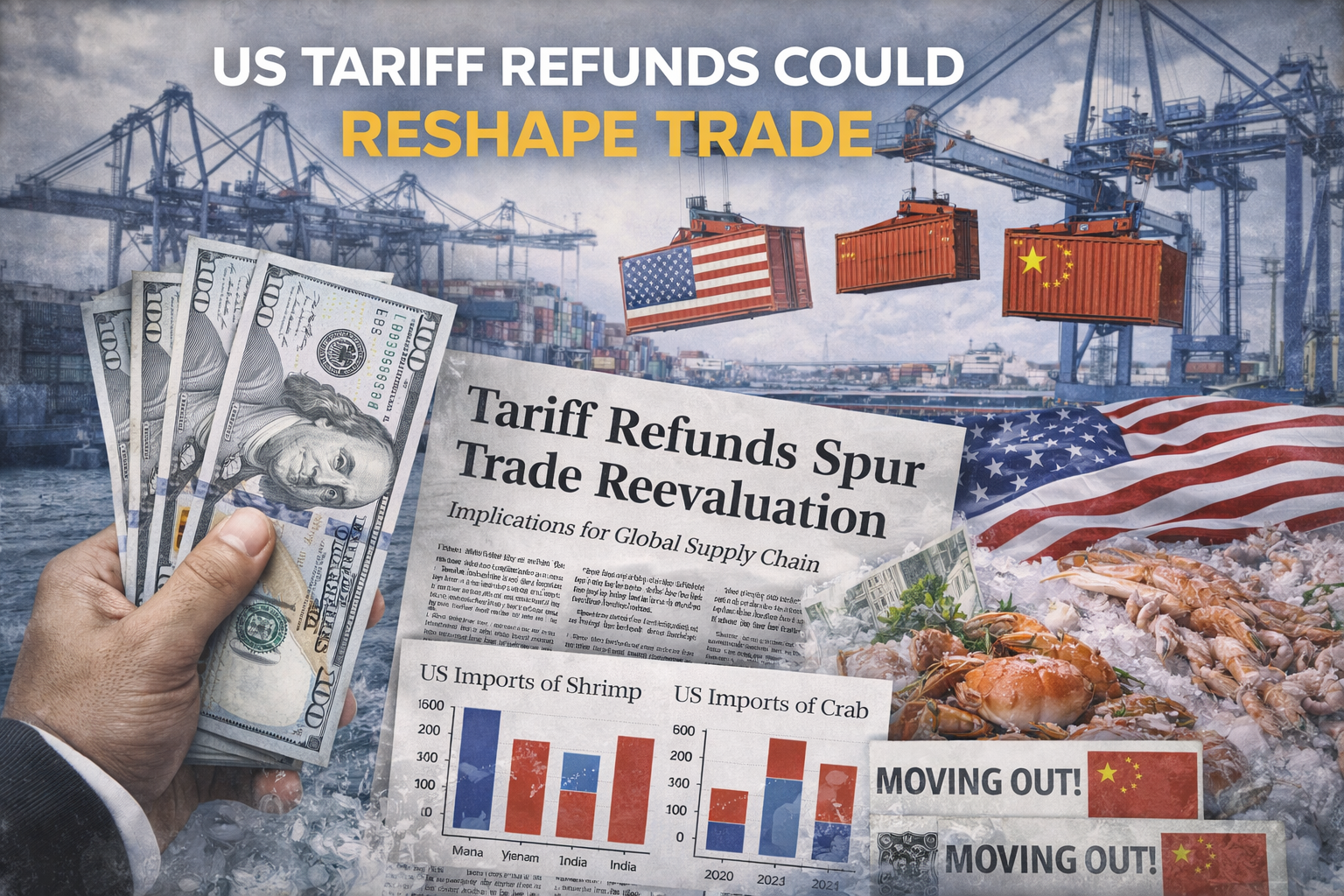
![US Tariff Refunds Could Reshape Seafood Trade]()
US Tariff Refunds Could Reshape Seafood Trade
-
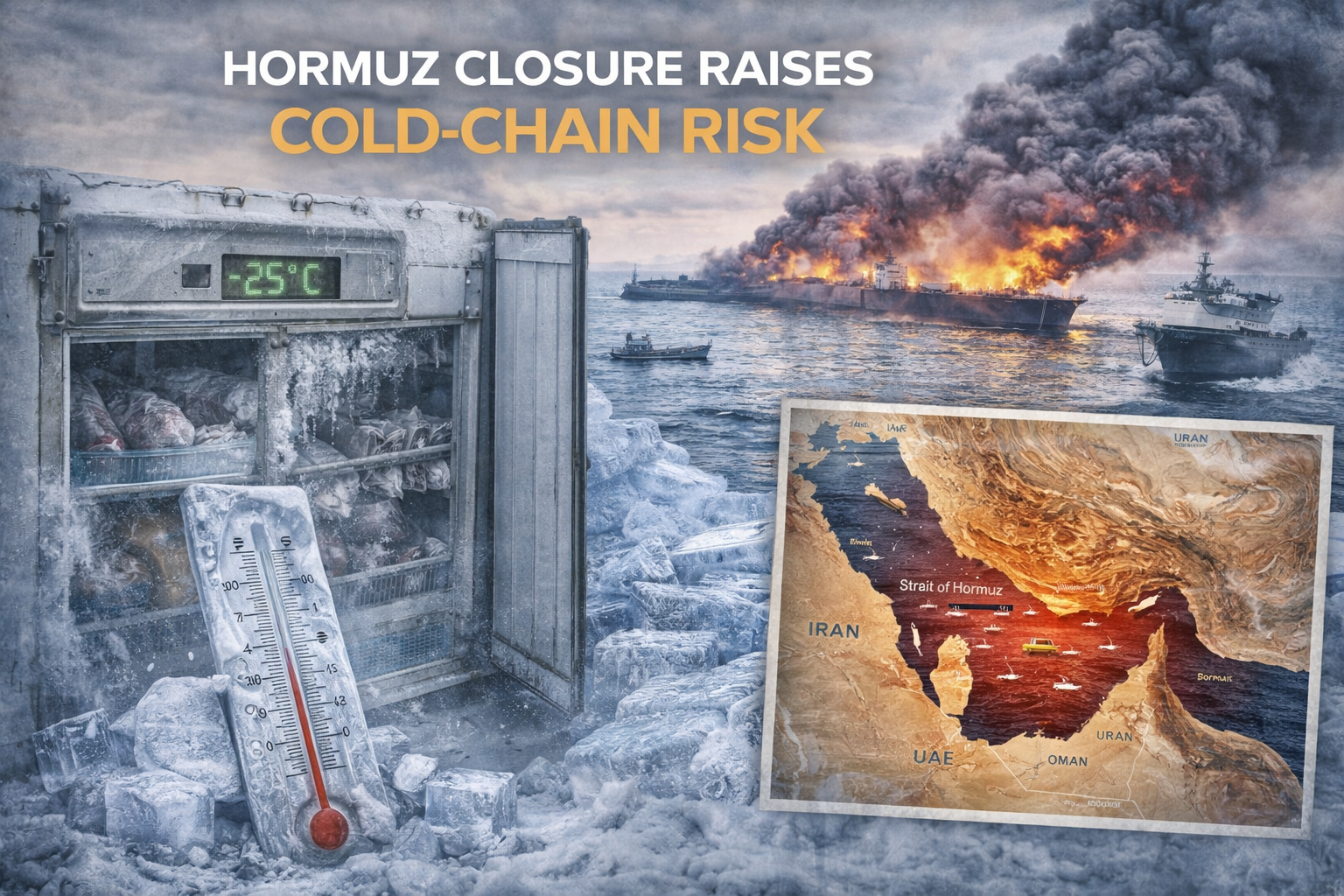
![Hormuz Closure Raises Cold-Chain Risk]()
Hormuz Closure Raises Cold-Chain Risk
-
![Hormuz Closure Raises Cold-Chain Risk]()
Hormuz Closure Raises Cold-Chain Risk
-
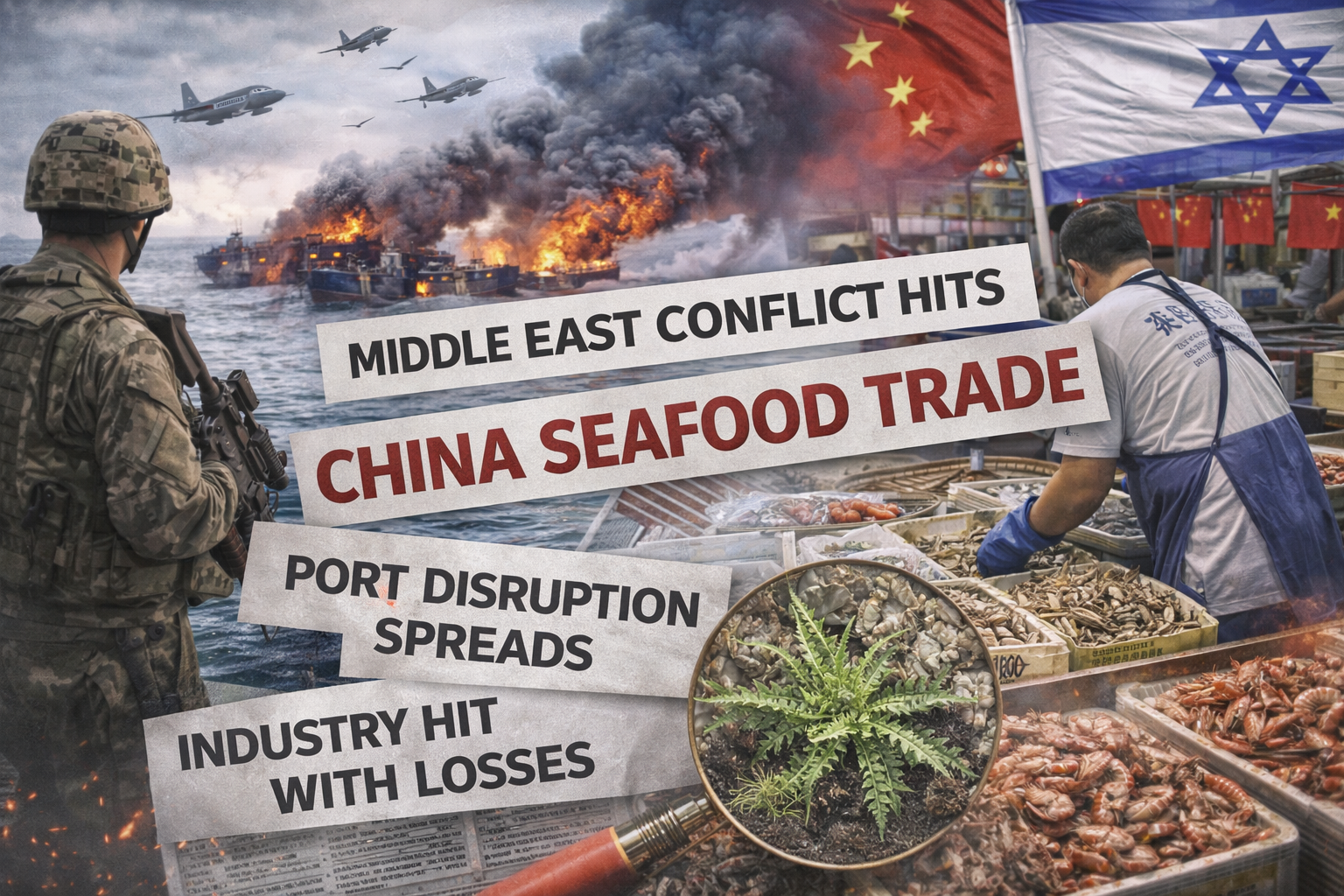
![Middle East Conflict Hits China Seafood Trade]()
Middle East Conflict Hits China Seafood Trade
-
![Dicalcium Phosphate: Properties, Uses, and Applications]()
Dicalcium Phosphate: Properties, Uses, and Applications
-
![Market Performance Balanced, PC Holds Steady Before the Festival]()
Market Performance Balanced, PC Holds Steady Before the Festival
-
![Premium Global Chemical Sourcing Requests (29 Nov - 3 Dec 2025)]()
Premium Global Chemical Sourcing Requests (29 Nov - 3 Dec 2025)
-
![Costs Decline & Trading Activity Shrinks—ABS Market Quiet Ahead of the Holiday]()
Costs Decline & Trading Activity Shrinks—ABS Market Quiet Ahead of the Holiday
-
![Ethanol Market Prices Continue to Rise]()
Ethanol Market Prices Continue to Rise




- Hot Searches
- caustic soda price
- buy methyl anthranilate
- best places to buy retatrutide
- research chemicals supplier
- dishwashing dispersants
- na-931 for sale
- where to buy anhydrous ammonia
- sodium acetate sds
- peptide retatrutide where to buy
- mono propylene glycol for sale
- retatrutide peptide supplier
- propane sds bernzomatic