Dibutyl Phthalate: Plastic Applications, Properties & Safety
When discussing plasticizers and their role in modern materials, one compound that often surfaces is dibutyl phthalate (DBP). Understanding its chemical nature, its value in plastics and industry, and the safety considerations that accompany its use is essential for engineers, manufacturers, and even policymakers. This article provides a comprehensive overview based on chemical data, industrial practice, and safety guidance from recognized authorities such as the European Chemicals Agency (ECHA) and the U.S. Environmental Protection Agency (EPA).
Chemical Properties of Dibutyl Phthalate
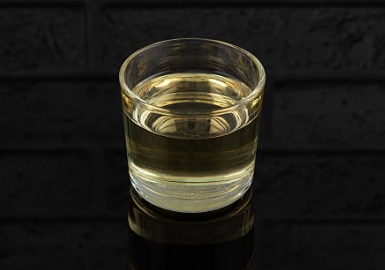
Dibutyl phthalate is an organic ester of phthalic acid, characterized by a clear, oily liquid form with a faint, aromatic odor. Its molecular formula is C16H22O4, and it has a relatively high boiling point of around 340°C. These attributes allow DBP to blend seamlessly with various polymers, making it an effective plasticizer. The compound is insoluble in water but miscible with most organic solvents, which enhances its compatibility across industrial formulations.
One of the defining features of dibutyl phthalate is its ability to impart flexibility and resilience to otherwise brittle polymers. This is achieved by reducing intermolecular forces within plastics, which in turn lowers the glass transition temperature of materials. Due to this mechanism, DBP has long been valued in product design where softness and durability are equally critical.
Industrial and Plastic Applications
The most significant role of dibutyl phthalate lies in its use as a plasticizer. In fact, dibutyl phthalate industrial and plastic uses extend across a wide range of products. It has been incorporated into polyvinyl chloride (PVC) to produce flexible films, adhesives, sealants, and synthetic leathers. In coatings and inks, DBP contributes to smoother application and improved resistance against cracking. It has also been found in cellulose-based plastics, offering stability and transparency that appeal to packaging and consumer goods manufacturers.
Beyond plastics, DBP is applied in specialized industries. It is utilized as a solvent in cosmetic formulations, particularly in nail polishes, where it helps dissolve other ingredients and provide film-forming properties. The compound is also present in certain adhesives used in automotive and construction settings. In laboratory environments, DBP may serve as a reference standard or a component of analytical methods for chemical testing.
Typical Applications Overview
| Application Area | Purpose of DBP |
| PVC plastics | Provides flexibility and resilience |
| Adhesives & Sealants | Improves bonding strength and durability |
| Coatings & Inks | Enhances film formation, prevents cracking |
| Cosmetics (e.g., nail polish) | Acts as a solvent and plasticizer |
| Cellulose plastics | Maintains clarity and flexibility |
Safety Precautions and Regulatory Perspective
Despite its functional benefits, safety considerations with dibutyl phthalate must not be overlooked. Multiple agencies, including the ECHA and EPA, have assessed DBP for its potential health and environmental impact. Long-term or excessive exposure has been associated with reproductive toxicity in animal studies, and occupational exposure requires careful monitoring.
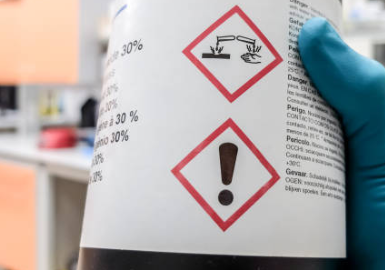
From a workplace safety standpoint, users should minimize inhalation and direct skin contact. Proper ventilation, use of gloves, and protective equipment are strongly recommended when handling DBP in industrial settings. Spill management protocols should be in place due to its low water solubility and potential for environmental persistence. Manufacturers are increasingly encouraged to substitute DBP with safer alternatives when feasible, especially in products that come into direct human contact.
At a regulatory level, dibutyl phthalate has restrictions in many regions. The European Union, for example, limits its concentration in consumer products such as children’s toys and cosmetics. Awareness of these frameworks is crucial for businesses that trade internationally, ensuring compliance while safeguarding consumer health.
Frequently Asked Questions
Is dibutyl phthalate still used in plastics today?
Yes, DBP is still used in certain applications, but its usage has decreased in consumer products due to regulatory restrictions and the availability of safer alternatives.
What makes dibutyl phthalate effective as a plasticizer?
It reduces the intermolecular forces within polymers, which increases flexibility, softness, and durability of plastic materials.
What safety measures should workers take when handling DBP?
Workers should use protective gloves, masks, and ensure good ventilation to minimize exposure. Following workplace safety guidelines is essential.
Looking for chemical products? Let suppliers reach out to you!
You May Interested In


Glow70/KLOW80 99% China Peptides Warehouse Direct Delivery Lyophilized Powder in Stock
$169/UNIT FOB


2026-10-24
Trade Alert
Delivering the latest product trends and industry news straight to your inbox.
(We'll never share your email address with a third-party.)

Related News
-
Calcium Hypochlorite: Properties, Uses, and Safety
-
Bivalirudin: Medical Uses, Properties, and Safety
-
Sodium Nitrate: Fertilizer, Food Curing, and Explosive History
-
Aluminum Oxide (Al2O3): Abrasive Uses, Ceramic Applications, and Safety
-
Thymol Gel Wins EPA Approval for Beekeepers
-
Isoascorbic Acid: Uses and Safety
-
Ascorbyl Palmitate: Properties, Uses, and Benefits
-
Sodium Benzoate (E211): Safety, Benzene Risk, and Preservative Uses
-
Sodium Pentothal: Medical Applications and Safety
-
Gellan Gum (E418): Vegan Thickener vs. Xanthan Gum in Food
Recommend Reading
-
![Sodium Hydroxide Reactions: With Aluminum, Acids, and Metals]()
Sodium Hydroxide Reactions: With Aluminum, Acids, and Metals
-
![Understanding PCl5: Compound Name and Uses]()
Understanding PCl5: Compound Name and Uses
-
![Vanillin: Properties, Uses, and Safety]()
Vanillin: Properties, Uses, and Safety
-
![Oxalic Acid: Acidity (pKa), Sources, and Kidney Stone Risk]()
Oxalic Acid: Acidity (pKa), Sources, and Kidney Stone Risk
-
![What is a Surfactant? (Definition, Types, and How They Work)]()
What is a Surfactant? (Definition, Types, and How They Work)
-
![This Week, the Chinese Polymeric MDI Market Showed a Strong Increase (12.1-12.5)]()
This Week, the Chinese Polymeric MDI Market Showed a Strong Increase (12.1-12.5)
-
![June Benzene Market Trend Summary (June 1, 2026 - June 30, 2026) in China]()
June Benzene Market Trend Summary (June 1, 2026 - June 30, 2026) in China
-
![Negative Factors Weighing Down, Hydrogen Peroxide Market Continues to Hit New Lows]()
Negative Factors Weighing Down, Hydrogen Peroxide Market Continues to Hit New Lows
-
![In June, the overall market for maleic anhydride in China saw a significant decline]()
In June, the overall market for maleic anhydride in China saw a significant decline
-
![This Week's Hydrogen Fluoride Market Remains Steady (12.1-12.5)]()
This Week's Hydrogen Fluoride Market Remains Steady (12.1-12.5)