Calcium Hypochlorite: Properties, Uses, and Safety
If you’ve ever wondered how public pools or municipal water systems stay clean, chances are Calcium Hypochlorite plays a role. This chemical is a powerful disinfectant, and when handled correctly, it keeps water safe and bacteria-free.
What is Calcium Hypochlorite?
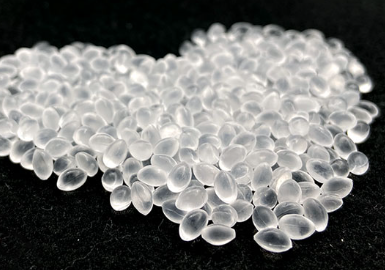
Calcium Hypochlorite (Ca(ClO)2) is a white, granular or powdery substance that releases chlorine when mixed with water. It’s often available with 65-70% available chlorine, making it one of the most effective sanitizing agents. Its strong oxidizing properties make it invaluable for both industrial and domestic applications.
Key Properties
- Appearance: White powder or granules
- Odor: Sharp chlorine smell
- Solubility: Dissolves easily in water
- Stability: Sensitive to moisture and organic materials; store dry
- Oxidizing behavior: Reacts strongly with flammable or incompatible substances
Calcium Hypochlorite Uses
From pools to emergency water treatment, Calcium Hypochlorite has several practical applications:
- Water treatment: Municipalities and private facilities use it to disinfect drinking water and swimming pools effectively.
- Sanitation: Many food-processing plants and industrial sites rely on it for cleaning equipment and surfaces.
- Emergency disinfection: It’s an easy way to make water safe for consumption when infrastructure is compromised.
Calcium Hypochlorite vs Sodium Hypochlorite
Both chemicals disinfect water, but their differences matter depending on the application:
| Feature | Calcium Hypochlorite | Sodium Hypochlorite |
|---|---|---|
| Form | Powder or granules | Liquid solution |
| Stability | Stable when kept dry | Degrades over time |
| Chlorine content | 65–70% | 5–15% |
| Common uses | Pools, emergency water treatment, industrial cleaning | Household bleach, surface cleaning |
Calcium Hypochlorite in Water Treatment
When added to water, Calcium Hypochlorite releases chlorine, which quickly kills harmful microorganisms. In my experience working with pool facilities, maintaining the correct chlorine level prevents algae and bacterial growth effectively. Municipal systems also use it to ensure drinking water meets safety standards. The key is careful dosing: too little chlorine won’t disinfect, and too much can produce an unpleasant taste or odor.
Calcium Hypochlorite Safety
Handling this chemical safely is crucial. A few practical tips help reduce risks:
- Store it in a cool, dry, well-ventilated place, away from organic materials or fuels.
- Never mix with acids, ammonia, or other chemicals to avoid dangerous reactions.
- Always wear gloves, eye protection, and a mask when handling the powder.
- Keep it out of reach of children and pets.
Following these practices ensures Calcium Hypochlorite safety in any setting.
FAQ
Q1: Is Calcium Hypochlorite safe for drinking water?
Yes, when properly dosed, it effectively disinfects water. It’s important to follow guidelines for concentration and contact time to ensure safety.
Q2: How does it differ from Sodium Hypochlorite?
Calcium Hypochlorite is solid and more concentrated, making it easier to store long-term, whereas Sodium Hypochlorite is liquid and less concentrated, suitable for household use.
Q3: Can I store it at home?
Yes, but keep it dry, away from other chemicals, and out of reach of children. Proper storage minimizes risk of accidents.
Q4: What are its main applications?
It’s used primarily for water treatment, pool sanitation, industrial cleaning, and emergency water disinfection.
Overall, Calcium Hypochlorite is a reliable and versatile chemical. With proper handling and dosing, it’s an indispensable tool for water sanitation, industrial cleaning, and ensuring public health.
Looking for chemical products? Let suppliers reach out to you!
You May Interested In


2026-09-30
Trade Alert
Delivering the latest product trends and industry news straight to your inbox.
(We'll never share your email address with a third-party.)

Related News
-
What is Element Stibium? (Antimony Facts & Uses)
-
What is Amylum Starch? (Old Terminology & Modern Equivalent)
-
Calcium Sulfate: Properties, Uses, and Applications
-
Carbon Tetrachloride: Uses, Hazards, and Industrial Applications
-
Calcium Acetate: Medical and Industrial Applications
-
Microcrystalline Cellulose: Applications in Pharmaceuticals
-
Sulfur Hexafluoride (SF6): Applications and Safety
-
Polyvinyl Alcohol (PVA): Properties, Uses, and Industrial Applications
-
Sodium Dodecyl Sulfate (SDS): Properties, Uses, and Safety
-
Sodium Alginate: Properties, Uses, and Benefits
Recommend Reading
-
![Etilen Vinil Acetato: Properties, Uses, and Applications]()
Etilen Vinil Acetato: Properties, Uses, and Applications
-
![Potassium Sorbate in Food: Safety, Uses, and Alternatives]()
Potassium Sorbate in Food: Safety, Uses, and Alternatives
-
![Understanding Reactions Between Silver and Chloride]()
Understanding Reactions Between Silver and Chloride
-
![Key Properties and Applications of Para-Nitrophenol]()
Key Properties and Applications of Para-Nitrophenol
-
![Isopropyl Alcohol (IPA) vs Ethanol: Which Solvent or Disinfectant is Better?]()
Isopropyl Alcohol (IPA) vs Ethanol: Which Solvent or Disinfectant is Better?
-
![Business Society’s Market Outlook for Epichlorohydrin on August 14, 2026: Clearly Downward]()
Business Society’s Market Outlook for Epichlorohydrin on August 14, 2026: Clearly Downward
-
![This Week's Styrene Market Rises Sharply (8.31-9.4) in China]()
This Week's Styrene Market Rises Sharply (8.31-9.4) in China
-
![Business Society September 23, 2026 n-Butanol Trend Analysis: Clearly Downward]()
Business Society September 23, 2026 n-Butanol Trend Analysis: Clearly Downward
-
![Business Society’s Phosphoric Acid Market Outlook on August 13, 2026: Low-Range Adjustment]()
Business Society’s Phosphoric Acid Market Outlook on August 13, 2026: Low-Range Adjustment
-
![Business Society’s Market Outlook for Maleic Anhydride on September 4, 2026: Volatile]()
Business Society’s Market Outlook for Maleic Anhydride on September 4, 2026: Volatile