Potassium Benzoate Uses: Food Preservation & Safety Guide
Many people encounter potassium benzoate on ingredient lists and wonder: what exactly does it do, and is it safe? The short answer is that this preservative helps prevent food spoilage and, when used properly, is considered safe by global food authorities. Below, we break down how it works, common potassium benzoate uses in food, and the key safety points consumers should know.
Properties at a Glance
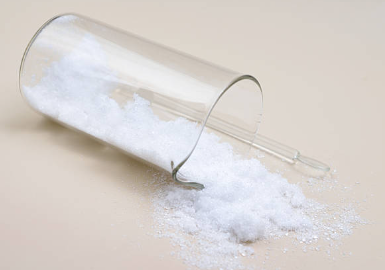
Potassium benzoate is the potassium salt of benzoic acid, a naturally occurring compound in fruits such as cranberries, plums, and prunes. In its industrial form, it is a fine, white powder that dissolves easily in water. It works best in acidic environments, which makes it ideal for products like fruit drinks or pickled foods. Compared with sodium benzoate, it has the advantage of adding potassium instead of sodium—helpful for people trying to limit their salt intake.
How Potassium Benzoate Preserves Food
Microorganisms such as mold and yeast thrive in sugary or moist environments, and these can quickly ruin foods and beverages. Potassium benzoate disrupts the growth of these microbes, keeping products safe and extending shelf life. This means foods can stay fresh during storage and transportation without major changes to taste or color.
Typical food categories where potassium benzoate is applied:
| Food Type | Why It’s Used | Notes |
|---|---|---|
| Soft drinks and juices | Stop yeast and mold | Works best at low pH |
| Condiments (sauces, dressings) | Stabilize flavor and texture | Often paired with other preservatives |
| Pickled foods | Delay spoilage | Supports safety in acidic brines |
| Fruit preserves and fillings | Protect against mold | Keeps color and sweetness intact |
According to the U.S. Food and Drug Administration (FDA) and the European Food Safety Authority (EFSA), potassium benzoate is approved for use at up to 0.1% of a product’s weight. At this level, it is effective while remaining safe for consumers.
Safety Guidelines and Consumer Advice
Extensive studies reviewed by organizations such as the Joint FAO/WHO Expert Committee on Food Additives have concluded that potassium benzoate is safe at regulated levels. The Acceptable Daily Intake (ADI) is set to ensure safety even if people consume several foods containing the additive on the same day.
Some consumers worry about benzoates converting into benzene, a harmful substance, under certain conditions. While this chemical reaction can occur when benzoates mix with vitamin C in heat and light, today’s manufacturing practices are designed to minimize this. Ongoing monitoring confirms that levels found in beverages remain far below what would pose a health risk.
Practical tips for consumers:
- Check food labels if you are monitoring additive intake.
- Store drinks and preserved foods in cool, dark places to maintain quality.
- Balance preserved products with plenty of fresh foods for overall diet quality.
Key Takeaways
Potassium benzoate is a reliable preservative that helps keep food safe and stable, particularly in acidic products. Its role is recognized and regulated by leading authorities worldwide. By understanding potassium benzoate uses in food and how safety is maintained, consumers can feel more confident about what ends up on their plate. As with all additives, moderation and awareness are the best approach.
Looking for chemical products? Let suppliers reach out to you!
You May Interested In


SS-31 Cosmetic peptides, discounted price improving cognitive impairment factory supply
$8E+1/UNIT FOB


2026-09-17
Trade Alert
Delivering the latest product trends and industry news straight to your inbox.
(We'll never share your email address with a third-party.)

Related News
-
Global Potassium Benzoate Shortage Leads to Higher Preservative Costs!
-
Aluminum Oxide (Al2O3): Abrasive Uses, Ceramic Applications, and Safety
-
Sodium Nitrate: Fertilizer, Food Curing, and Explosive History
-
What is the Formula for Ammonia? (NH3 Structure & Properties)
-
Sodium Chloride (NaCl): Food Grade vs Industrial Grade Uses & Safety Data
-
L Phenyl Compounds: Properties, Benefits, and Uses
-
Chemical Raw Materials: How to Source Quality Suppliers & Understand Grades
-
Thymol Gel Wins EPA Approval for Beekeepers
-
Benzyl Alcohol: Uses in Cosmetics, Preservative Efficacy, and Safety
-
Ammonia Chemical Formula: NH3 Structure & Properties
Recommend Reading
-
![Dodecyl Acid: Industrial Uses and Chemical Characteristics]()
Dodecyl Acid: Industrial Uses and Chemical Characteristics
-
![Hexane in Food and Industry: Safety and Applications]()
Hexane in Food and Industry: Safety and Applications
-
![Applications of Copper Sulfate Pentahydrate]()
Applications of Copper Sulfate Pentahydrate
-
![Uses of Sodium Acetate Trihydrate]()
Uses of Sodium Acetate Trihydrate
-
![Key Reactions and Uses of Allene]()
Key Reactions and Uses of Allene
-
![Remote Costs Plunge, ABS Prices Drop in the First Half of April]()
Remote Costs Plunge, ABS Prices Drop in the First Half of April
-
![Cost support decreases, April DOP prices stop rising and fall]()
Cost support decreases, April DOP prices stop rising and fall
-
![Cost support weakens, PTA prices fluctuate downward]()
Cost support weakens, PTA prices fluctuate downward
-
![Multiple Negative Factors Weigh on Butadiene in April, Driving Prices Lower]()
Multiple Negative Factors Weigh on Butadiene in April, Driving Prices Lower
-
![Cost support weakens, polyester staple fiber prices slightly decline]()
Cost support weakens, polyester staple fiber prices slightly decline