Dodecyl Acid: Industrial Uses and Chemical Characteristics
Dodecyl Acid — often called lauric acid — is a workhorse fatty acid. It shows up in everyday soaps and in niche industrial formulations alike. If you're choosing ingredients for a cleaner, a cream, or a release agent, you’ll want to know two things quickly: how it behaves, and what it does for your formulation.
Quick definition
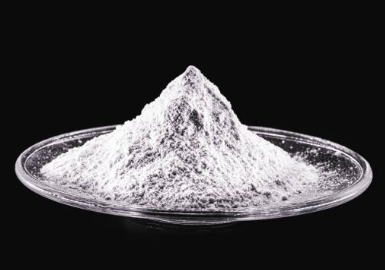
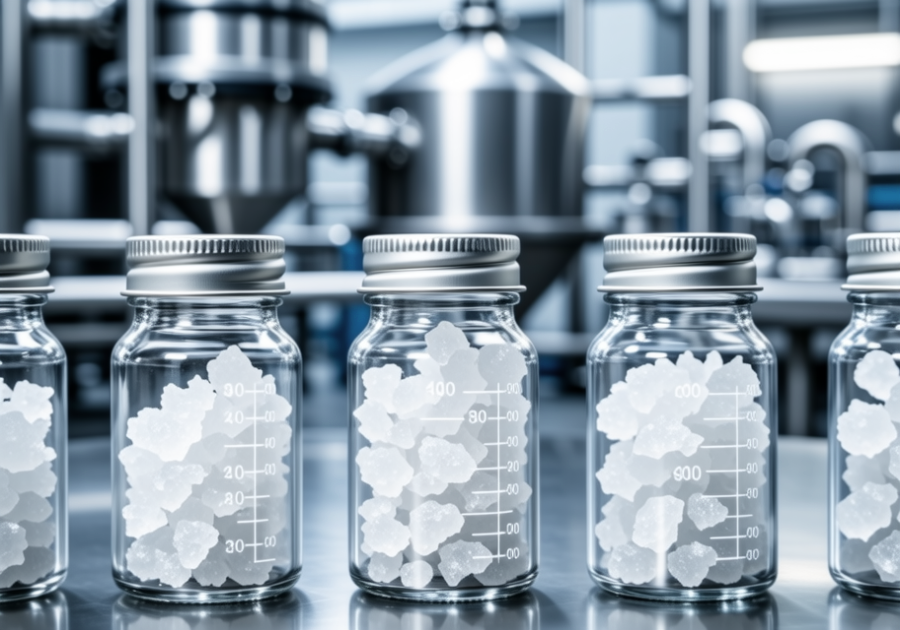
Dodecyl Acid is a saturated fatty acid with a 12-carbon backbone (chemical formula C12H24O2). At ambient temperature it is a white, waxy solid. That combination — a nonpolar tail and a polar carboxyl head — is the reason it converts so cleanly into useful surfactants.
Dodecyl Acid chemical properties — what matters to formulators
A few properties drive most decisions. It has limited water solubility, a moderate melting point (around 44 °C), and good solubility in alcohols and many organic solvents. That means it is easy to handle in melts or organic phases but must be converted to a salt (e.g., sodium laurate) to perform in aqueous products.
Key properties
| Property | Typical value / note |
|---|---|
| Molecular formula | C12H24O2 |
| Molecular weight | ~200.32 g·mol⁻¹ |
| Melting point | ≈ 44 °C |
| Water solubility | Low; better in ethanol, ether, chloroform |
| Common derivative | Sodium laurate (surfactant) |
Dodecyl Acid vs Lauric Acid — same thing, different labels
You will see both names in literature. Chemically they are identical. What changes is the audience: a lab report or synthetic catalog might call it “dodecyl,” while a cosmetic ingredient list or nutrition study will usually say “lauric.” Recognizing that prevents needless duplication when searching suppliers or regulatory lists.
Why formulators use it in detergents
The conversion from acid to salt is the game-changer. Dodecyl Acid in detergents becomes sodium laurate, which lowers surface tension, helps emulsify oils, and produces stable foam. In practice, it strikes a balance: decent cleansing, acceptable skin mildness, and a predictable cost profile. That’s why small-batch soap makers and large detergent formulators both rely on it.
Other industrial uses and practical notes
Outside cleaning, Dodecyl Acid is used as a lubricant additive, a release agent, and a chemical intermediate for esters and amides. It’s also valued in personal care for texture and stability. From a sourcing perspective, many companies prefer coconut- or palm-derived lauric streams; sustainability certifications and supply-chain transparency matter more now than a decade ago.
Safety, handling, and selection tips
Handling is straightforward but not trivial: avoid inhaling dust, control skin exposure when working with concentrates, and consult the supplier SDS for temperature limits. When selecting between free acid and salt forms, remember: use the free acid when you need a meltable feedstock; pick the salt when you need immediate aqueous activity.
Dodecyl Acid is simple in structure but versatile in use. If your project needs a reliable surfactant precursor, a medium-chain fatty acid feedstock, or a plant-derived ingredient with a long industrial pedigree, it’s a good candidate. Read supplier specs, test in your matrix, and (if sustainability is a priority) confirm the oil source and certification.
Looking for chemical products? Let suppliers reach out to you!
You May Interested In


Glow70/KLOW80 99% China Peptides Warehouse Direct Delivery Lyophilized Powder in Stock
$169/UNIT FOB


2026-10-14
Trade Alert
Delivering the latest product trends and industry news straight to your inbox.
(We'll never share your email address with a third-party.)

Related News
-
Sodium Hypochlorite: Uses, Concentration Guide, and Critical Safety Hazards
-
Isopropyl Alcohol (IPA) vs Ethanol: Which Solvent or Disinfectant is Better?
-
Gellan Gum (E418): Vegan Thickener vs. Xanthan Gum in Food
-
Sodium Hydroxide Reactions: With Aluminum, Acids, and Metals
-
Paraffin Wax vs. Beeswax: Candles, Cosmetics, and Industrial Applications
-
Magnesium Stearate in Supplements: Is it Safe? (Vegan Status & Function)
-
Lanolin: Benefits for Skin, Cosmetic Uses, and Allergy Risks
-
Polystyrene (PS): Properties, Foam Applications, and Recycling Challenges
-
Sodium Hydroxide (Caustic Soda): Soap Making, Cleaning, and pH Control Guide
-
EDTA (Ethylenediaminetetraacetic acid): Chelation Therapy & Industrial Uses
Recommend Reading
-
![PEG (Polyethylene Glycol): Uses in Pharma, Cosmetics, and PEGylation]()
PEG (Polyethylene Glycol): Uses in Pharma, Cosmetics, and PEGylation
-
![What is HCO3? (Bicarbonate Ion Function & Normal Levels)]()
What is HCO3? (Bicarbonate Ion Function & Normal Levels)
-
![Uses and Benefits of Sodium Selenite]()
Uses and Benefits of Sodium Selenite
-
![Applications and Safety of Sodium Dichromate]()
Applications and Safety of Sodium Dichromate
-
![Chemical Properties and Uses of Tetraetil]()
Chemical Properties and Uses of Tetraetil
-
![Business Society Melamine Daily Report: Stagnation Warning Issued for August 6, 2026!]()
Business Society Melamine Daily Report: Stagnation Warning Issued for August 6, 2026!
-
![Business Society October 9, 2026 Maleic Anhydride Trend Analysis: Volatility]()
Business Society October 9, 2026 Maleic Anhydride Trend Analysis: Volatility
-
![Business Society Melamine Daily Report: Trend Clearly Upward on August 7, 2026; Fundamentals Provide Price Support]()
Business Society Melamine Daily Report: Trend Clearly Upward on August 7, 2026; Fundamentals Provide Price Support
-
![Business Society October 10, 2026 DOP Trend Analysis: Clear Uptrend]()
Business Society October 10, 2026 DOP Trend Analysis: Clear Uptrend
-
![Business Society October 9, 2026 Polyester Staple Fiber Trend Analysis: Uptrend Confirmed]()
Business Society October 9, 2026 Polyester Staple Fiber Trend Analysis: Uptrend Confirmed