




Hexane in Food and Industry: Safety and Applications
Hexane is a versatile hydrocarbon solvent, found in both industrial processes and food production. Its popularity comes from its efficiency in extracting oils and other hydrophobic substances, but it also demands careful handling to ensure safety for workers and consumers alike.
Understanding Hexane
Chemically, Hexane is a six-carbon alkane (C6H14), colorless and highly volatile. Its non-polar nature makes it ideal for dissolving fats, oils, and waxes. In practice, this is why vegetable oil producers and laboratories favor it for extraction and purification tasks.
Is Hexane Safe in Food Extraction?
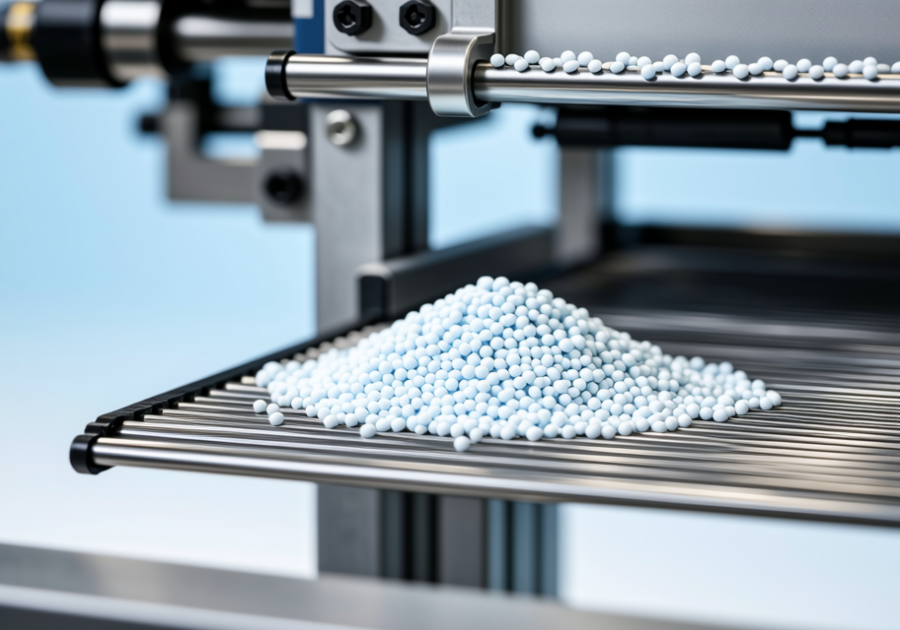
Is Hexane safe in food extraction? When used correctly, yes. Food-grade Hexane is applied to extract oils from seeds such as soybeans and canola. The key is the post-extraction purification: residual solvent is minimized, typically below the limits established by agencies like the FDA and EFSA. For consumers, this means the oil is safe to cook with or consume raw.
Practical tip from industry: factories often use multiple distillation steps to remove traces of Hexane, and routine testing ensures compliance. This attention to detail is what makes Hexane-extracted oils both efficient and safe.
Hexane vs Heptane: What You Need to Know
Comparing Hexane vs Heptane solvents highlights small but important differences. Hexane boils at ~69°C, Heptane at ~98°C. Hexane evaporates faster, which speeds up extractions but increases flammability risk. Heptane is slower to evaporate, sometimes favored in analytical labs or when controlled evaporation is desired. Understanding these traits helps chemists and engineers select the best solvent for their process.
Hexane Properties at a Glance
| Property | Value |
|---|---|
| Chemical Formula | C6H14 |
| Molar Mass | 86.18 g/mol |
| Boiling Point | 68–70 °C |
| Density | 0.66 g/cm³ at 20 °C |
| Water Solubility | 0.009 g/100 mL at 25 °C |
Hexane Exposure Risks in Laboratories
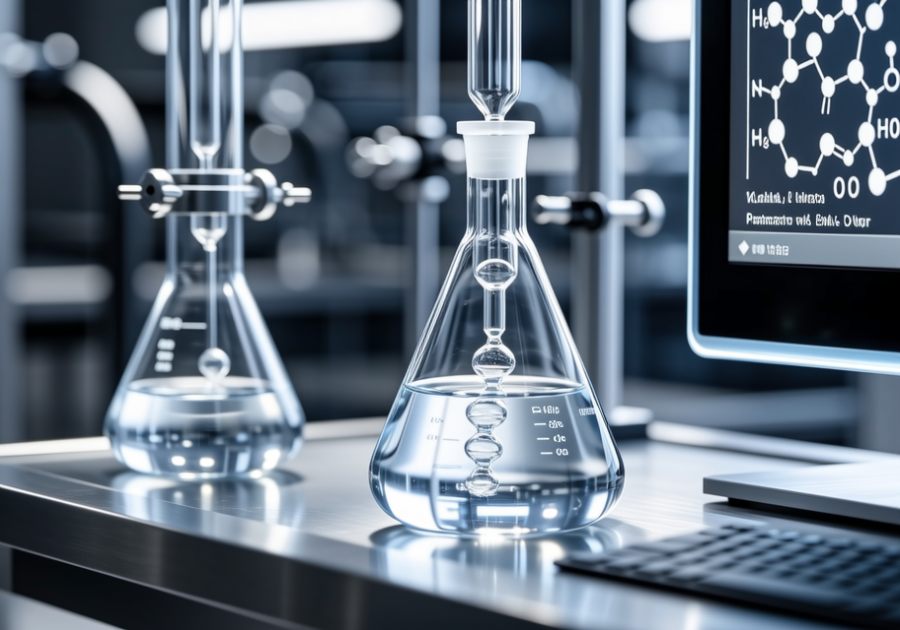
Hexane exposure risks in labs should not be underestimated. Even short-term inhalation can cause dizziness, nausea, or mild headaches, while repeated exposure may affect the nervous system. Lab safety protocols recommend fume hoods, gloves, goggles, and proper storage. Workers are trained to handle spills quickly and to limit exposure time.
A practical example: a lab technician handling oil extraction uses a fume hood continuously and monitors the solvent vapor concentration. This minimizes risk while allowing efficient work.
Industrial and Laboratory Applications
Hexane is not only for food. Its applications include:
- Degreasing metals and machinery
- Extracting essential oils and fragrances
- Preparation of chemical intermediates
- Chromatography and analytical sample processing
In factories and labs, operators rely on its fast evaporation, low viscosity, and non-polar characteristics. Still, proper ventilation and fire safety measures are critical due to Hexane’s flammability.
Conclusion
Hexane is an effective and widely used solvent, from oil extraction in the food industry to chemical and analytical laboratories. By following safety regulations, minimizing exposure, and monitoring residual levels in food products, Hexane can be used safely and efficiently. For professionals, understanding its chemical properties and how it compares to other solvents ensures both operational efficiency and regulatory compliance.
Looking for chemical products? Let suppliers reach out to you!
You May Interested In


Glow70/KLOW80 99% China Peptides Warehouse Direct Delivery Lyophilized Powder in Stock
$169/UNIT FOB


2026-10-25
Trade Alert
Delivering the latest product trends and industry news straight to your inbox.
(We'll never share your email address with a third-party.)

Related News
-
Applications of Aluminium Orthophosphate
-
Reactions and Uses of Ammonium Dichromate
-
Flavin Adenine Dinucleotide (FAD): Functions and Applications
-
Magnesium Chloride (MgCl₂): Properties, Uses, and Applications
-
Dicalcium Phosphate: Properties, Uses, and Applications
-
Isoascorbic Acid: Uses and Safety
-
Aluminum Oxide (Al2O3): Abrasive Uses, Ceramic Applications, and Safety
-
Sodium Nitrate: Fertilizer, Food Curing, and Explosive History
-
Understanding PCl5: Compound Name and Uses
-
Sodium Benzoate (E211): Safety, Benzene Risk, and Preservative Uses
Recommend Reading
-
![Vanillin: Properties, Uses, and Safety]()
Vanillin: Properties, Uses, and Safety
-
![Permanganate: Properties, Uses, and Safety]()
Permanganate: Properties, Uses, and Safety
-
![Key Properties and Applications of Para-Nitrophenol]()
Key Properties and Applications of Para-Nitrophenol
-
![Understanding Reactions Between Silver and Chloride]()
Understanding Reactions Between Silver and Chloride
-
![Iohexol: Properties, Uses, and Safety]()
Iohexol: Properties, Uses, and Safety
-
![Premium Global Chemical Sourcing Requests (18-21Jun, 2026)]()
Premium Global Chemical Sourcing Requests (18-21Jun, 2026)
-
![Both Supply and Demand Weak & Inventory Pressures Keep PVC Market Volatile and Tend to Be Weak]()
Both Supply and Demand Weak & Inventory Pressures Keep PVC Market Volatile and Tend to Be Weak
-
![Supply and Demand Pressures Combine, PVC Prices Surge and Then Retreat This Week]()
Supply and Demand Pressures Combine, PVC Prices Surge and Then Retreat This Week
-
![Supply Excess, Acrylonitrile Market Weakens in China]()
Supply Excess, Acrylonitrile Market Weakens in China
-
![Ammonium Sulfate Market Trend Weakens and Declines (10.23-10.29)]()
Ammonium Sulfate Market Trend Weakens and Declines (10.23-10.29)






- Hot Searches
- purchase galantamine
- calcium ammonium nitrate price
- 9-me-bc for sale
- citrate citric acid
- coal and coke for sale
- aeo 7 surfactant
- na 931 peptide for sale
- tungsten trioxide powder
- silane coupling agent price
- sds for sodium bicarbonate
- price of kerosene at sheetz
- retatrutide supplier china