BASF Builds New Alkyl Polyglucoside Plant in Thailand, Expands Its Business Footprint in Asia
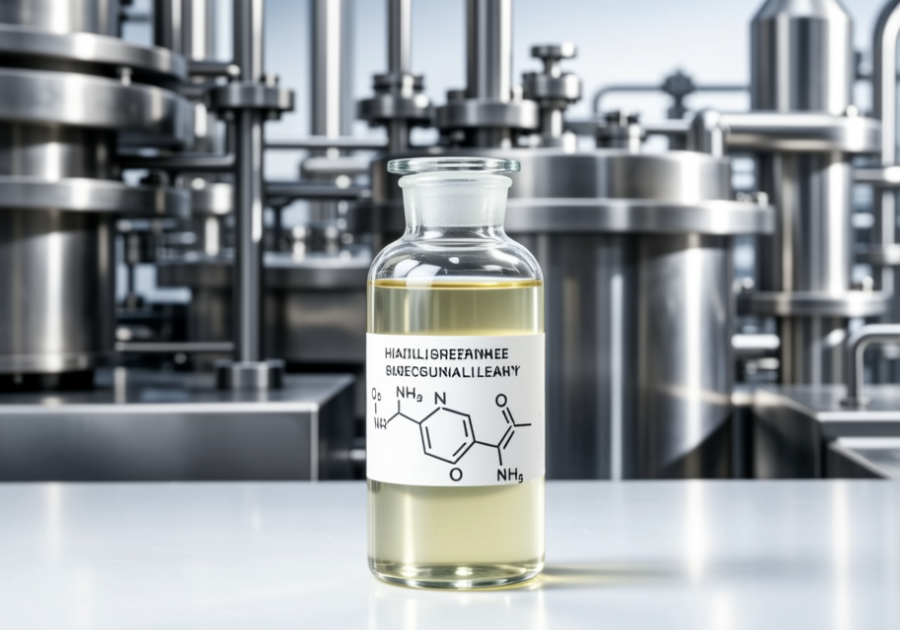
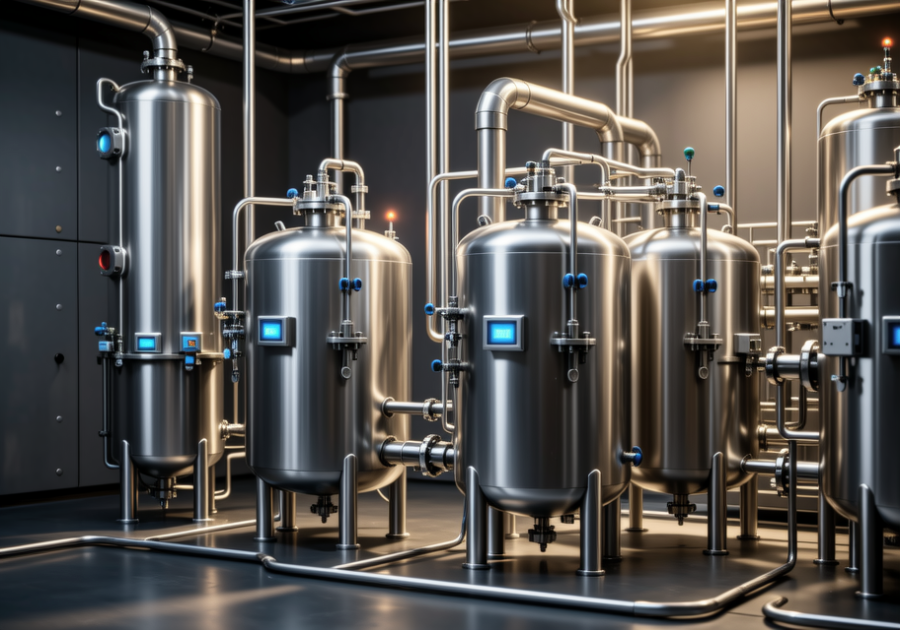
BASF has announced the construction of a new alkyl polyglucoside (APG) plant in Bangpakong, Thailand, to enhance its production capacity for sustainable surfactants and further expand its business presence in Asia. This move aims to strengthen its position in Asia’s growing markets through a robust regional network and to serve customers in a more agile and flexible manner.
The expansion is intended to reinforce BASF’s supply capabilities in one of its key growth regions. By building this new plant in Thailand, the company seeks to serve customers in the personal care, home care, and industrial sectors with greater flexibility and responsiveness.
The Bangpakong plant completes BASF’s global APG production network, which already includes facilities in Düsseldorf, Germany; Jinshan, China; and Cincinnati, USA. The company also noted that a new APG production line in Cincinnati is planned to start up in 2026.
APGs are bio-based and readily biodegradable surfactants made from 100% naturally renewable raw materials. As nonionic surfactants, they blend well with other surfactants and are widely used in personal care, home care, industrial and institutional cleaning, industrial formulations, and agriculture.
From a broader perspective, this investment aligns with a plan BASF announced as early as June 2023, when the company proposed expanding APG capacity in both Bangpakong and Cincinnati. The expansion was viewed as a way to reduce cross-regional transportation volumes and improve responsiveness to local markets.
The completion of the plant demonstrates BASF’s long-term commitment to sustainable surfactant chemistry and its determination to maintain a strong and regionally balanced production network. By localizing production closer to its Asian customer base, BASF can respond more quickly to market growth and to the evolving demand for green, bio-based chemical solutions.

You May Interested In


Glow70/KLOW80 99% China Peptides Warehouse Direct Delivery Lyophilized Powder in Stock
$169/UNIT FOB


2026-10-15
Trade Alert
Delivering the latest product trends and industry news straight to your inbox.
(We'll never share your email address with a third-party.)

Related News
-
BASF and Evonik Rumored Potential Acquisition or Merger
-
BASF and Thailand’s NEO Corporate Enter Joint Development Partnership in Personal Care
-
BASF Raises North American Nylon Products by $0.08/lb, Fourth Price Increase in Six Months
-
First New UV Filter in Nearly 27 Years: BASF's Tinosorb® S Approved by FDA, Marking a Historic Shift for the U.S. Sunscreen Market
-
Multiple Chemical Industry Leaders Post Strong H1 Earnings Growth as Sector Profitability Revives
-
The Crop Protection Patent Cliff Is Here
-
BASF's Intensified Moves from May to June: Plant Closures, Divestitures, and Transformation in Sync
-
EU Clears Carlyle's Acquisition of BASF's Coatings Business, but Demands Divestment of Nouryon's Polysulfide Assets: What Are the Underlying Risks?
-
BASF, Covestro, Huntsman Raise MDI Prices in North America Amid Global Supply Crunch
-
BASF Launches Global Expansion Plan for Aroma Ingredients
Recommend Reading
-
![Dover to Acquire Cloeren and Expand Its Polymer-Extrusion Equipment Portfolio]()
Dover to Acquire Cloeren and Expand Its Polymer-Extrusion Equipment Portfolio
-
![GACL Approves Additional Hydrochloric Acid Unit at Dahej]()
GACL Approves Additional Hydrochloric Acid Unit at Dahej
-
![Croda’s First-Half Profit Outpaces Sales as Beauty Actives Grow 19%]()
Croda’s First-Half Profit Outpaces Sales as Beauty Actives Grow 19%
-
![argenx to Acquire Forte Biosciences for $2.2 Billion in Major Autoimmune Antibody Deal]()
argenx to Acquire Forte Biosciences for $2.2 Billion in Major Autoimmune Antibody Deal
-
![Novo Nordisk’s Oral Wegovy Wins EU Approval as Weight-Loss Competition Shifts from Injections to Pills]()
Novo Nordisk’s Oral Wegovy Wins EU Approval as Weight-Loss Competition Shifts from Injections to Pills
-
![Melamine Stops Falling and Begins to Rebound; Short-Term Trend Strengthens; Golden Cross Awaits Confirmation]()
Melamine Stops Falling and Begins to Rebound; Short-Term Trend Strengthens; Golden Cross Awaits Confirmation
-
![Cost Decline, Weak Demand—Oxynol Prices Fluctuate and Fall This Week]()
Cost Decline, Weak Demand—Oxynol Prices Fluctuate and Fall This Week
-
![US-Iran Signals Easing, Plasticizer Supply Chain Stabilizes]()
US-Iran Signals Easing, Plasticizer Supply Chain Stabilizes
-
![July Titanium Dioxide Market Prices Decline]()
July Titanium Dioxide Market Prices Decline
-
![In July, China's propylene oxide market showed a trend of first declining, then rising, and finally surging before stabilizing]()
In July, China's propylene oxide market showed a trend of first declining, then rising, and finally surging before stabilizing