Guangzhou Petrochemical successfully trial-produced new polypropylene ternary copolymer products
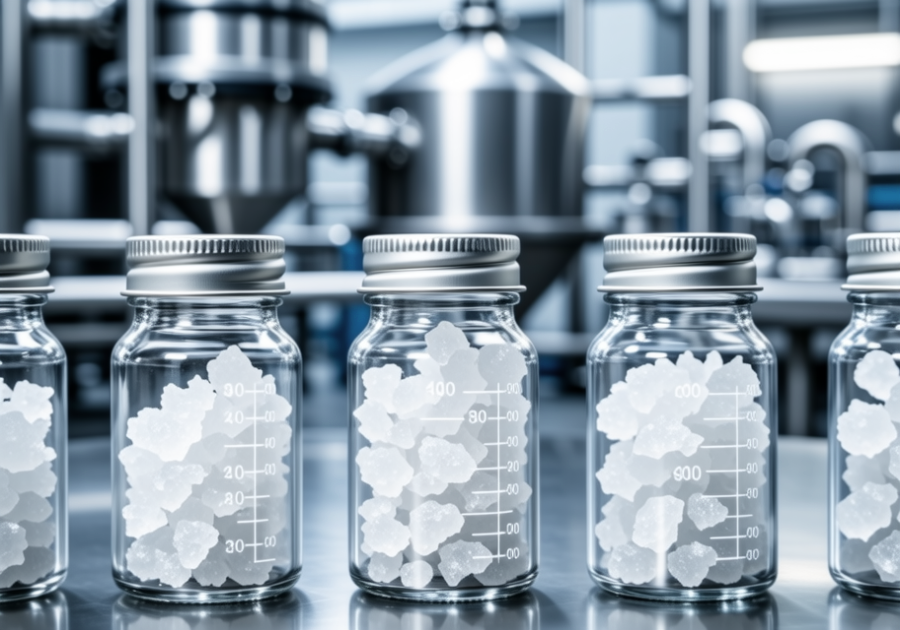
On October 16, Guangzhou Petrochemical No. 1 polypropylene plant successfully trial-produced 70 tons of new ternary copolymer product MT600E. Ternary copolymer products are mainly used as heat-sealing layers in heat-sealing films or multilayer composite films. They are widely used in high-quality packaging fields such as food, stationery, cosmetics, and clothes. The products have high heat-sealing strength, low heat-sealing temperature, and resistance to cooking. The characteristics of good performance and impact performance, etc., have a broad market prospect.
The new ternary copolymerization product is a polypropylene product produced by random polymerization of ethylene on the basis of the binary copolymerization-PROPYLENE and butyl copolymer products. The propylene and butyl copolymer product is the addition of butene to the raw material, which is significantly different from the homopolymerization product and impact copolymer product produced by the device before. Therefore, the successful production of propylene and butyl copolymer products is the prerequisite for the production of new ternary copolymer products.
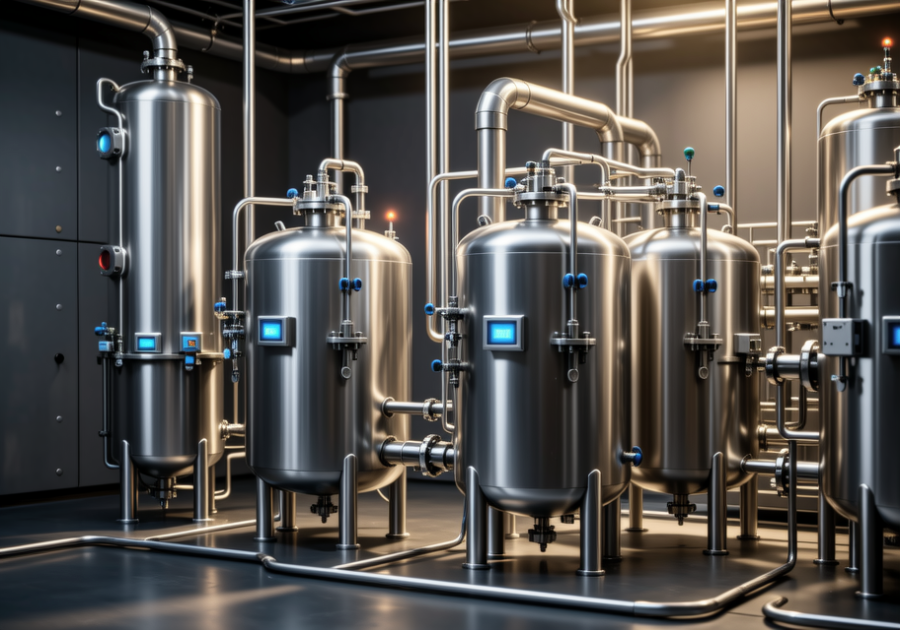
On October 13, the plant officially produced propylene copolymer products. Because the melt index of propylene and butyl copolymer products and ternary copolymer products is much higher than that of pipe materials produced daily by the device, the product fluidity requirements are high, and the production is difficult. The plant personnel made every effort to overcome problems such as the deviation of the total amount of butene, accurately control the amount of raw butene added to avoid pipeline blockage; increase the circulating Water volume to ensure the pressure control of the reactor and the heat exchange effect of the heat exchanger, and first ensure the copolymerization of 350 tons of propylene and butylene Smooth production of products.
The successful production of propylene and butyl copolymer products has laid the foundation for the development of new ternary copolymer products. At 5 o'clock on October 15, after 27 hours of stable production of propylene and butyl copolymer products, the device began to add raw material ethylene and transferred to the production of the target product-ternary copolymer products. The addition of raw material ethylene, the reaction temperature, pressure and other parameters need to be readjusted again, and the production difficulty is further increased. Equipment management and technical personnel formulate plans in advance and conduct a comprehensive risk assessment. The production process technicians are on duty 24 hours a day. The operators strictly abide by the principle of "small quantity and many times", precise control, advance judgment, and timely adjustment of reaction parameters to ensure the safety of equipment production smooth.
At 10:30 on October 15th, after the parameters reached the target requirements, the device officially cut the warehouse to produce new ternary copolymer products. As of the 16th, the production task of 70 tons of new ternary copolymer products has been successfully completed, and all indicators of the products have met the requirements. On the 19th, the products were sent to downstream manufacturers for trial and were initially affirmed.

You May Interested In


Glow70/KLOW80 99% China Peptides Warehouse Direct Delivery Lyophilized Powder in Stock
$169/UNIT FOB


2026-10-18
Trade Alert
Delivering the latest product trends and industry news straight to your inbox.
(We'll never share your email address with a third-party.)

Related News
-
Houthis Claim Strikes on Two Saudi Aramco Facilities as Missile and Drone Attacks Hit Saudi Airports
-
Advent Drops Its 2026 Purchase, and LANXESS’s €1.2 Billion Exit Plan Falls Through
-
Luyin Investment subsidiary Heze Salt introduces Wanhua Chemical as strategic investor with RMB 333 million capital increase
-
Dongyue Silicon Materials' Net Profit Expected to Increase More Than 190-Fold
-
Xinxiang Chemical Fiber Suspends 31,200 t/y Production Line, Expects RMB 40 Million Profit Reduction
-
BASF Evaluates New MDI Production Complex in India, Secures Dahej Site
-
Lotte Chemical Plans Sale of Selected Operations in Malaysia, Indonesia, and the United States
-
Fracturing the Crown: BASF Antwerp’s 600-Job Cut and the Global Alarm
-
Procter & Gamble Posts Higher Profits on Strong Personal Care Sales and Recovery in China
-
Behind Starbucks China’s Ownership Change: The Race for Localization and Efficiency
Recommend Reading
-
![Wanhua’s Counter-Cyclical Expansion: A Gamble or a Strategic Move for the Next Cycle?]()
Wanhua’s Counter-Cyclical Expansion: A Gamble or a Strategic Move for the Next Cycle?
-
![Univar Solutions Expands Partnership with American Distilling in EMEA to Strengthen Natural Specialty Ingredients Distribution Network]()
Univar Solutions Expands Partnership with American Distilling in EMEA to Strengthen Natural Specialty Ingredients Distribution Network
-
![Sichuan’s 120,000 Tons Approved, Shandong’s 500,000 Tons on the Way:Is Wanhua Chemical Set to “Break Through” the LFP Market?]()
Sichuan’s 120,000 Tons Approved, Shandong’s 500,000 Tons on the Way:Is Wanhua Chemical Set to “Break Through” the LFP Market?
-
![The Carbon Neutrality Hidden in Adhesives: Henkel’s Acquisition of ATP Isn’t About Sticking Better—It’s About Moving Faster]()
The Carbon Neutrality Hidden in Adhesives: Henkel’s Acquisition of ATP Isn’t About Sticking Better—It’s About Moving Faster
-
![Suave Brands and Elida Beauty Complete Merger to Form Personal Care Giant Evermark with Annual Retail Sales Near $1.9 Billion]()
Suave Brands and Elida Beauty Complete Merger to Form Personal Care Giant Evermark with Annual Retail Sales Near $1.9 Billion
-
![Both Supply and Demand Tightening Drives Butadiene Prices Up Sharply in March]()
Both Supply and Demand Tightening Drives Butadiene Prices Up Sharply in March
-
![Acrylic Prices Soar by Over 1 Year—Short-Term at High Levels, Medium-Term Under Pressure]()
Acrylic Prices Soar by Over 1 Year—Short-Term at High Levels, Medium-Term Under Pressure
-
![Both Supply and Demand Surge, Formic Acid Prices Gradually Rise]()
Both Supply and Demand Surge, Formic Acid Prices Gradually Rise
-
![In August, the domestic propylene oxide market showed an upward trend in price levels]()
In August, the domestic propylene oxide market showed an upward trend in price levels
-
![Business Society’s Market Outlook for Maleic Anhydride on September 4, 2026: Volatile]()
Business Society’s Market Outlook for Maleic Anhydride on September 4, 2026: Volatile