Is Astatine a Metal Simply By Its Composition?
An overview of Astatine
There is a thorough investigation the needs to do to conclude if "is astatine a metal". The astatine element is the heaviest known type of halogen. It is highly radioactive which all of its isotopes have short half-lives. The chemical properties of astatine have probably similar properties to those in Iodine. As it is below the iodine in the periodic table positioning, astatine is studied to have extreme solutions. Astatine is not recommended for use outside nuclear facilities and research laboratories. It affects and imposes chemical reactions with the natural environmental elements and elements or chemicals contained in some nuclear facilities and research laboratories. With
Astatine and its effects on the Health
There are very few amounts of astatine on Earth. Hence, this results in a limited stock wherein astatine are also artificially manufactured and produced in laboratories. Several queries ask if is astatine a metal. There is a complicated answer to explain such a question as astatine contains compounds such as microscopic amounts of halogen (hydrogen astatide or HAt that forms a particular acid called hydrostatic when dissolved in water. To complete the compound elements are halides, silver, sodium, palladium, oxygen, sulfur, selenium, nitrogen, Lead, Boron, and tellurium. This makes astatine a metalloid.
Hence, some of the stated elements are metals and may affect the body systems negatively. The complex mixture of these elements reacts with each other where the harmful and toxic constituents come up with a meaningful effect on the body. This makes astatine a compound element containing metal. Furthermore, its properties do not make it identifiable as a metal. Mainly a halogen, astatine is characterized as a non-metallic element whose toxicity level is like iodine of a thyroid-like structure. However, studies also show that there is no risk associated with the presence of astatine in the biosphere which means it is safe and non-hazardous to human health
An in-depth analysis of Astatine
History
The name astatine comes from "astatos", a Greek word that means unstable. It was discovered in 1940 by Dale R. Corson, Kenneth Ross MacKenzie, and Emilio Segrè. Its discovery came to an event through bombarding bismuth with alpha particles with a radioactive atomic mass of 210. Astatine has a boiling point of 350C (662F or 623 K), and 300C (572F or 573 K) which is similar to all other natural elements in some drug ingredients.
Image
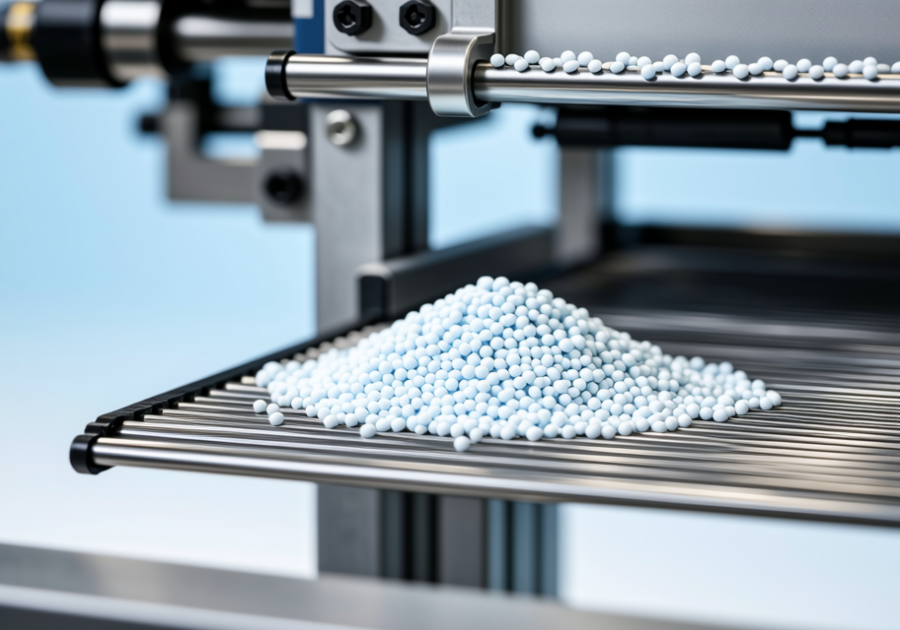
The appearance of astatine looks a lot like a radioactive element just by looking at it. The complex contents that make up the element, become highly reactive in nature with a relative level of instability when paired or combined with any chemical or element nearby. Astatine has an unstable and unclear description. The elements that compose the particular element may give a confirmation if is astatine a metal or a relevantly composite substance.
Uses
The element has several and different uses. But it must be used according to scientific and technical studies to avoid unwanted hazardous outcomes. Astatine contains isotopes that only last for a short period of time (8 hours). The laboratory production of astatine could only generate tiny amounts and takes difficult processes. Like how iodine is used, astatine is also secreted to the thyroid gland to treat diseases associated with the thyroid. On the other hand, because of its highly rated radioactive abilities, astatine is also used in radiotherapy, chemotherapy, and radiology activities. Serious benefits are enjoyed from astatine as it can treat critical illnesses related to cancer or cancer-causing cells.
On a larger scale of application
Astatine is categorized as radioisotopes widely attractive in nuclear medicine. Its isotopes are useful in imaging and therapeutic modalities including beta, alpha, and Auger electron therapy. The radiolabeling chemistry of astatine contains metals as its radionuclides. The contents of astatine are significantly useful and vital for the implementation and execution of medical and clinical procedures. Corresponding chemicals of astatine are mainly its radionuclides. Radionuclides are used with the support of a gamma emitter to diagnose and image such as X-rays and other scanning therapies. The isotope contents of astatine make it more adaptable for radiolabeling as it can accommodate small molecules to large proteins. With astatine, the possibility of producing more innovative and advanced forms of radiopharmaceuticals can be a result of astatine's highlight features compared to its neighboring compound elements such as halogens and iodine. Since the formation and atomic structure of astatine is already described, this concludes that the illustration of a metalloid answers the query on "is astatine a Metal?"
Looking for chemical products? Let suppliers reach out to you!
Is Carbon An Element?
You May Interested In


Glow70/KLOW80 99% China Peptides Warehouse Direct Delivery Lyophilized Powder in Stock
$169/UNIT FOB


2026-10-15
Trade Alert
Delivering the latest product trends and industry news straight to your inbox.
(We'll never share your email address with a third-party.)

Related News
-
Sharp Decline in Profits for Chemical Manufacturing in First Eight Months
-
Why Is Astatine A Solid? Strong Bond Due To High In Electron Density!
-
What does astatine react with and its use?
-
The chemical market is dominated by weakness and fluctuation
-
What is molecular formula of element Astatine and its use?
-
What is the atomic number of astatine and its uses
-
The power shortage crisis in many parts of China and the shutdown of manufacturing industries have had an impact on the chemical industry and foreign trade.
-
In the First Five Months, the Profit of Chemical Raw Materials and Products Manufacturing Industry Increased by 13.8%
-
Manufacturing Prices of Chemical Raw Materials and Products in May Rose 13.6% Year-on-year and 0.6% Month-on-month
-
Another Increase! Wanhua Raises Prices Of 4 Water-Based Products, Up To 5,000 CNY/ton
Recommend Reading
-
![Understanding the Arsenate Symbol and Its Uses]()
Understanding the Arsenate Symbol and Its Uses
-
![What Color Should a Zinc-Copper Couple Be?]()
What Color Should a Zinc-Copper Couple Be?
-
![Benzoylecgonine: Detection and Testing Methods]()
Benzoylecgonine: Detection and Testing Methods
-
![Why You Should Never Mix Bleach and Vinegar]()
Why You Should Never Mix Bleach and Vinegar
-
![Zoledronic Acid: Uses, Mechanism, and Side Effects]()
Zoledronic Acid: Uses, Mechanism, and Side Effects
-
![MENA Pharmaceutical Regulatory Updates 2026: Key Compliance Changes for Global Pharma Companies]()
MENA Pharmaceutical Regulatory Updates 2026: Key Compliance Changes for Global Pharma Companies
-
![Business Society’s Market Outlook for Lithium Carbonate on September 1, 2026: Volatile]()
Business Society’s Market Outlook for Lithium Carbonate on September 1, 2026: Volatile
-
![Business Society’s Market Outlook for Petroleum Coke on August 28, 2026: Volatile]()
Business Society’s Market Outlook for Petroleum Coke on August 28, 2026: Volatile
-
![This Week's PVC Market Continues to Rise (3.2-3.5) in China]()
This Week's PVC Market Continues to Rise (3.2-3.5) in China
-
![Business Society’s Market Outlook for Lithium Carbonate on August 31, 2026: Volatile]()
Business Society’s Market Outlook for Lithium Carbonate on August 31, 2026: Volatile