What Does Biocide Do-Application in Various Industries
What does biocide do? Biocides are used to maintain cleanliness in public and private places such as hospitals, the food industry, pet groomer shops, and your homes. There are several uses for biocides ranging from killing algae (toxic form) to killing algae responsible for the yellowing of the skin or hair. Though this critical substance can destroy living organisms (except certain bacteria) by disrupting their biochemical pathways, it is not toxic to humans. This article will discuss the application of biocides.
Applications of Biocide in Water Treatment
Biocide (i.e., chemicals capable of killing microorganisms like bacteria, viruses, etc.) are commonly used in water treatment to disinfect water and maintain sanitary quality for drinking water systems. While chlorine is the most frequently used biocide for these purposes, it is being phased out due to its toxic nature and the formation of trihalomethanes during chlorination. Some alternatives to chlorine are currently being implemented in water treatment facilities across the world, including ozone, chloramines, chlorine dioxide, chlorine gas, and ultraviolet radiation.
Biocides are also used to prevent algae from growing in reservoirs and other waterways. Algae blooms can be harmful to the ecology of an area, as they may cause oxygen levels in the water to drop too low for fish and other aquatic life.
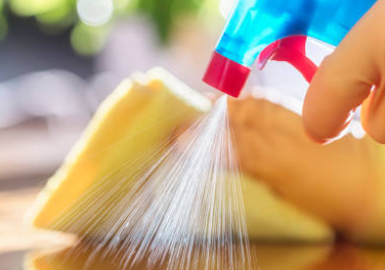
Biocides are added to laundry detergents and cleaning products, like bleach. This helps keep people healthy by preventing the spread of germs that live on clothing and surfaces.
What Does Biocide Do in Animal Husbandry
Biocide is defined as any substance that can kill microorganisms. It is used in animal husbandry to manage pest populations, reduce disease incidence, or prevent the spread of disease from one population to another. There are many different types of biocides, each with other uses and precautions for use.
The use of biocides in animal husbandry has been a topic of concern for the past. While it is essential to protect animal health, improper use of certain types of biocides can also have adverse effects on the environment or human health. Careful consideration should be given to this issue when considering the use of biocides in animal husbandry.
Biocide in Food Industry
The food industry is an integral part of the American economy. However, it's also constantly looking for new and improved ways to produce its goods. Biocides can help food producers achieve their goals.
Besides keeping pests out of business, biocides have further applications in the food industry. They can be used to kill microorganisms in food products such as fruits and vegetables, and they can even be used to keep food from spoiling or molding during long-distance transport or storage.
Biocides are also helpful in killing microorganisms on surfaces used for processing foods. For example, a table where food products are cut up is prone to collecting harmful organisms that might end up in processed foods. Table surfaces can be sprayed with biocides that eliminate these microorganisms on contact to prevent this.
What Does Biocide Do in Consumer Products
Biocides are applied to consumer products to prevent decay and infestation and provide a seal from oxygen and water. They are also used in agriculture to prevent the spread of weeds, fungi, and insects. Biocides are generally used in non-organic products (non-organic, meaning produced with chemical fertilizers, pesticides, or herbicides instead of natural alternatives) because they kill harmful microorganisms that can spoil food or harm crops.
Clorox is a brand name of bleach that is often used as a disinfectant in both homes and offices. It is an effective biocide that kills germs by oxidizing them. Since it is bleach, it has bleaching properties that can be used on laundry and stain-removal products.
Applications of Biocide in Health Care
Biocides are used in a variety of applications in the health care industry. Biocides are applied to medicines, medical equipment, and hospital environments to help reduce the spread of bacteria and other harmful microorganisms.
Biocide is the most effective way to control mold. Building owners have been using biocides for years to prevent mold growth in their buildings. The biocide can be applied to surfaces with a brush, roller, or sprayer. The biocide can also be injected into wall cavities and other areas where mold is suspected of growing.
Biocides are typically a mixture of chlorine bleach, acetic acid, and essential oils. In health care settings, the biocide kills bacteria on surfaces such as bed rails, handles of medical equipment, and toilets.
Wrapping Up
Biopesticides are chemicals derived from natural sources that can interfere with the growth of or kill unwanted organisms. Biocides can be used in various ways and can effectively kill microbes that cause infections in humans, animals, and plants, among other uses.
Looking for chemical products? Let suppliers reach out to you!
You May Interested In


Glow70/KLOW80 99% China Peptides Warehouse Direct Delivery Lyophilized Powder in Stock
$169/UNIT FOB


2026-10-25
Trade Alert
Delivering the latest product trends and industry news straight to your inbox.
(We'll never share your email address with a third-party.)

Related News
-
The Indian biopesticide market will grow at a CAGR of 9.38%
-
The development and industrialization of RNA interference biopesticides in Shandong, led by Kqiao, started smoothly
-
China agrochemical industry weekly(0426)
-
CropLife Europe launches AgriGuide, an intelligent solution for pesticide data
-
Syngenta and Lavie Bio announce a collaboration to jointly develop new biocides
-
Pesticide reduction and efficiency increase promote the proportion of biopesticide market increase year by year, and biopesticide substitution space is broad
-
Biobest plans to acquire BioWorks to accelerate its strategic expansion in biopesticide
-
China agrochemical industry weekly (1111)
-
China丨Taiwan looks to mass produce microbial acaricide
-
India丨 Bio-Pesticides market worth Rs 845 crore
Recommend Reading
-
![Benzoylecgonine: Detection and Testing Methods]()
Benzoylecgonine: Detection and Testing Methods
-
![Why You Should Never Mix Bleach and Vinegar]()
Why You Should Never Mix Bleach and Vinegar
-
![Understanding the Arsenate Symbol and Its Uses]()
Understanding the Arsenate Symbol and Its Uses
-
![What Color Should a Zinc-Copper Couple Be?]()
What Color Should a Zinc-Copper Couple Be?
-
![Business Society’s August 14, 2026 Melamine Market Outlook: Clearly Downward]()
Business Society’s August 14, 2026 Melamine Market Outlook: Clearly Downward
-
![Business Society’s Market Outlook for Methanol on August 14, 2026: Strong Consolidation]()
Business Society’s Market Outlook for Methanol on August 14, 2026: Strong Consolidation
-
![Business Society’s Market Outlook for Acrylic Acid on August 14, 2026: Clearly Downward]()
Business Society’s Market Outlook for Acrylic Acid on August 14, 2026: Clearly Downward
-
![Business Society’s BDO Market Outlook on August 13, 2026: Narrow-Range Consolidation]()
Business Society’s BDO Market Outlook on August 13, 2026: Narrow-Range Consolidation
-
![Business Society’s August 14, 2026 View on Isooctanol Market Trends: Stagnation and Price Increase Alert]()
Business Society’s August 14, 2026 View on Isooctanol Market Trends: Stagnation and Price Increase Alert