Sodium Silicate in Cosmetics: What You Need to Know
First and foremost, Sodium Silicate in Cosmetics is a compound made of sodium, silicon, and oxygen. It is used in many different industries, including cosmetics. Sodium silicate helps to thicken and stabilize products, and it also has cleansing and buffering properties. In this blog post, we will discuss the benefits of sodium silicate and how to use it safely.
Sodium silicate has many benefits for cosmetics.
It can help thicken and stabilize products, and it also has cleansing and buffering properties. When used as directed, sodium silicate is a safe ingredient, and it is gentle on the skin. When shopping for sodium silicate-containing products, look for those that are labeled "non-toxic" or " hypoallergenic."
Sodium silicate is a common ingredient in many cosmetics and personal care products. It's often used as a thickener or emulsifier and can be found in shampoos, conditioners, lotions, and makeup. While sodium silicate is generally considered safe, there are some concerns about its use in cosmetics.
Sodium silicate is also known as sodium metasilicate or sodium orthosilicate.
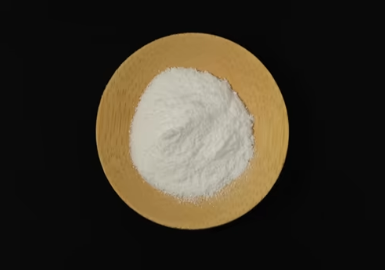
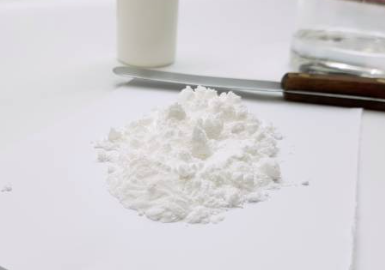
For instance, it can be a white powder soluble in water. Sodium silicate has a variety of uses in cosmetics and personal care products. It can be used to thicken, emulsify, and stabilize products. Sodium silicate can also be an abrasive agent in toothpaste and mouthwashes. Hence, sodium silicate is considered safe in cosmetics and personal care products according to label directions.
The Cosmetics Database gives sodium silicate a low hazard rating of two out of ten. Sodium silicate is not known to be toxic or cause skin irritation. However, sodium silicate can cause eye irritation. If sodium silicate comes into contact with the eyes, it should be rinsed out immediately with water. Sodium silicate is an ingredient in many popular cosmetics and personal care products. In addition, it is a safe and effective ingredient that can improve the texture and stability of products.
So, why is sodium silicate in cosmetics controversial?
Some people believe that sodium silicate can be harmful if inhaled or ingested. There is also concern that sodium silicate can penetrate the skin and enter the bloodstream, leading to health problems. In this case, currently, there is no scientific evidence to support these claims. However, more research is required and must be undertaken to determine the safety of sodium silicate.
Have you ever wondered what sodium silicate is and why it's in your cosmetics?
Sodium Silicate has been used in cosmetics for years as it helps bind together ingredients and gives products a smooth texture. It's also used in skin care products to help reduce the appearance of fine lines and wrinkles. However, sodium silicate has come under fire in recent years as some people believe it can be harmful if inhaled or ingested. There is also concern that sodium silicate can penetrate the skin and enter the bloodstream, leading to health problems. As of the moment, there is lacking scientific evidence to support these claims. However, more corresponding research is required to determine the safety of sodium silicate. Whereas, until then, it's up to you to decide whether or not you want to use products that contain this ingredient.
Sodium silicate is a popular ingredient in many cosmetics and skincare products.
It's often used as a thickener or emulsifier, and it can also help bind together with other components. If you are concerned about sodium silicate in cosmetics, read the label carefully. Look for products labeled "non-toxic" or "hypoallergenic," and follow the directions on the label. As with all cosmetic ingredients, it is always best to test a small amount of product on your skin before using it on your face. If you have any questions about sodium silicate, ask your doctor or a qualified cosmetics professional.
Conclusion
To conclude, sodium silicate is a compound with many different uses. It's an essential component of oil and gas drilling fluids because it helps break down rock formations to release hydrocarbons. In cosmetics, sodium silicates are thickening agents in hair conditioners and shampoos that help improve moisture retention while reducing fizziness. Sodium silicate can also be used for water purification by lowering pH levels and binding heavy metals such as iron or copper before releasing them into the environment. At its most basic level, sodium silicate is just another resource we should use for future needs!
Looking for chemical products? Let suppliers reach out to you!
You May Interested In


Glow70/KLOW80 99% China Peptides Warehouse Direct Delivery Lyophilized Powder in Stock
$169/UNIT FOB


2026-10-16
Trade Alert
Delivering the latest product trends and industry news straight to your inbox.
(We'll never share your email address with a third-party.)

Related News
-
Fipronil: Uses, Safety, and Environmental Impact
-
Ethylene Glycol: Production, Uses, and Safety
-
Sulfuric Acid Reactions: With Sugar (Dehydration), Water, and Metals
-
What is Serine? (Amino Acid Function & Sources)
-
Hydrogen Peroxide Formula: H2O2 Concentration & Safety
-
Imidazole: Heterocyclic Chemistry, Antifungal Drugs, and Buffer Systems
-
EFSA Reviews Clodinafop Risk
-
Microcrystalline Cellulose: Applications in Pharmaceuticals
-
ADAMA Targets Sucking Pests with Ateka
-
Carbon Tetrachloride: Uses, Hazards, and Industrial Applications
Recommend Reading
-
![Methylamine: Chemical Properties, Synthesis, and Industrial Applications]()
Methylamine: Chemical Properties, Synthesis, and Industrial Applications
-
![Melamine: Toxicity, Industrial Resin Uses, and Food Safety Scandals]()
Melamine: Toxicity, Industrial Resin Uses, and Food Safety Scandals
-
![Calcium Acetate: Medical and Industrial Applications]()
Calcium Acetate: Medical and Industrial Applications
-
![Paraffin Wax vs. Beeswax: Candles, Cosmetics, and Industrial Applications]()
Paraffin Wax vs. Beeswax: Candles, Cosmetics, and Industrial Applications
-
![Lanolin: Benefits for Skin, Cosmetic Uses, and Allergy Risks]()
Lanolin: Benefits for Skin, Cosmetic Uses, and Allergy Risks
-
![Business Society’s September 2, 2026 Phenol Market Outlook: Trending Stronger]()
Business Society’s September 2, 2026 Phenol Market Outlook: Trending Stronger
-
![Business Society’s PVC Market Outlook on August 27, 2026: Overall Bearish]()
Business Society’s PVC Market Outlook on August 27, 2026: Overall Bearish
-
![Renewed US-Iran Conflict and Inventory Boost Push Oil Prices Sharply Higher]()
Renewed US-Iran Conflict and Inventory Boost Push Oil Prices Sharply Higher
-
![Business Society’s PVC Market Outlook on August 26, 2026: Weak and Volatile]()
Business Society’s PVC Market Outlook on August 26, 2026: Weak and Volatile
-
![Business Society’s September 2, 2026 Gasoline Market Outlook: Rising Trend]()
Business Society’s September 2, 2026 Gasoline Market Outlook: Rising Trend