What are the ingredients of sodium bicarbonate
Ingredients of sodium bicarbonate are common chemicals which are quite helpful in cleaning, cooking, and their many other applications. Sodium bicarbonate is a chemical compound with the formula NaHCO3. It is a salt composed of sodium cations and bicarbonate anions. Sodium bicarbonate is a white crystalline solid, although commercial samples can be gray due to impurities. It is soluble in water, and slightly soluble in ethanol and methanol. These ingredients includes;
1. Water (98.1%):
The chemists define water as a solvent, which means it can dissolve some other chemicals. It is a common ingredient, as it is the main component of our blood and body fluids. This ingredient has the ability to react to certain types of substances which are corrosive. Water is transparent, odorless and colorless. Its main role in the ingredients of sodium bicarbonate is providing the way for other ingredients.
2. Baking Powder (Baking Soda):
Baking powder is used as a leavening agent and an antacid in cooking and baking. It combines with an acid to be released when heated to produce carbon dioxide gas, which makes cakes or other baked goods rise and soften in texture. Baking powder contains a mixture of baking soda, cornstarch, acidic salts such as sodium aluminum sulfate or monocalcium phosphate.
3. Sodium bicarbonate(99.9%):
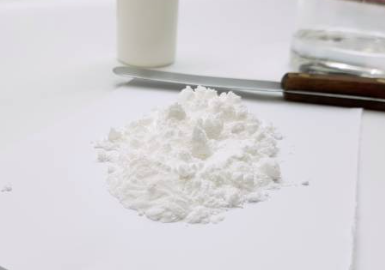
This ingredient is a white powder and is soluble in water. Sodium bicarbonate can also be found in some teeth cleaning products. It is an ingredient used for making bread and many other food items. It can also be used to treat symptoms of vomiting, indigestion, upset stomach, and diarrhea,
Uses of sodium bicarbonate
1. Cleaning and Self-Care
Sodium bicarbonate is used in cleaning products, as a natural deodorizer and antacid to relieve heartburn and upset stomach. Some people also use it as a facial toner or toothpaste.
2. Food Applications
Ingredients of sodium bicarbonate is used in nearly everything from frozen vegetables to boxed cake mix. It is a leavener in prepared foods such as cookies, cakes, muffins and french fries. It can be found in products for making pickles, olives and sauerkraut along with canned vegetables including corn, peas, spinach and tomatoes. For food manufacturers, sodium bicarbonate helps to stabilize and improve the taste of products.
3. Medicinal Applications
Sodium bicarbonate is often used in certain medicinal applications such as illnesses like heartburn and acid indigestion, and in toothpaste to get rid of plaque, increase the speed of tooth remineralization and reduce tartar build-up. It is also used as an antacid in combination with aching joints or muscles and for reducing swelling after surgery.
4. Fertilizer Applications
Sodium bicarbonate is an excellent base for organic fertilizers for organic gardening purposes. It is often combined with other organic matter and added to the garden.
5. Cleaning and polishing Applications
Householders use house cleaning tips, which is composed of sodium bicarbonate, washing soda/powder and water that can be used in cleaning everything from ovens to bathtubs, toilets and drains. The solution is also good for removing limescale deposits from taps, especially in the kitchen. They are a safe alternative to commercial cleaners that contain strong chemicals.
6. Photo Process
It is used in the sunlight sensitive chemicals in color photography to lighten the image. This process is called bleach bypassing, which requires a laminator and a special tray. The process takes about 19 minutes in total.
7. Scrub and Clean Applications
Ingredients of sodium bicarbonate can be used to scrub dirty pots and pans when mixed with ¼ cup of kosher salt per gallon of water. This mixture can also be sprinkled on sealed concrete or brick to clean it up, while also buffing it at the same time. It is often used in commercial cleaning applications as well to clean drains, sinks, tubs and bathroom floors; as well as to remove stains from laundry and carpets.
8. Water Softening Systems
Sodium bicarbonate can be used as a buffer in paper making and other manufacturing processes. Once soda ash dissolves, the water becomes soft and no longer causes scaling or hard water, which are signs of aging. Sodium bicarbonate tablets or white crystals are often used to produce soft water for showers or laundry. It is also used as an acid neutralizer; making it possible to use it in both hard and soft waters without corrosion, scaling, premature rusting of equipment, or environmental pollution.
In conclusions, Sodium bicarbonate is a white powder, with a slightly salty taste. You can find it in most grocery stores, readily available and sold in different form and brands. It is used as household cleaner, deodorizer, water softener, toothpaste and many other applications. Sodium bicarbonate can be transformed into sodium carbonate commercially by the reaction of the sodium bicarbonate with sulfur dioxide at 800-1000℃. This transformation process is widely used in the industry to produce soda ash (sodium carbonate). It is also used as a leavening agent in bread making as well as a raising agent or an ingredient that causes food to expand or rise during cooking or baking.
Looking for chemical products? Let suppliers reach out to you!
You May Interested In


Glow70/KLOW80 99% China Peptides Warehouse Direct Delivery Lyophilized Powder in Stock
$169/UNIT FOB


2026-10-13
Trade Alert
Delivering the latest product trends and industry news straight to your inbox.
(We'll never share your email address with a third-party.)

Related News
-
ECHEMI High Quality Inquiries (22-26 June)
-
ECHEMI High Quality Inquiries (18-22 May)
-
Exploring the Properties: Is Sodium Bicarbonate a Base or Something Else?
-
How to Use Sodium Bicarbonate in Different Ways?
-
What is components of baking soda and its use?
-
Global lithium resource supply is still tight
-
As an important raw material for lithiumbatteries, the price of lithium carbonate has not yet seen the ceiling
-
The Secret To Neutralizing Phosphoric Acid With Sodium Bicarbonate
-
Carbon Dioxide and Sodium Bicarbonate: A Potent Combination for Baking
-
How to Chemical Reaction Of Acetic Acid And Sodium Bicarbonate
Recommend Reading
-
![Understanding Titanium Oxide: Properties and Uses]()
Understanding Titanium Oxide: Properties and Uses
-
![Calcium Acetate: Medical and Industrial Applications]()
Calcium Acetate: Medical and Industrial Applications
-
![Carbon Tetrachloride: Uses, Hazards, and Industrial Applications]()
Carbon Tetrachloride: Uses, Hazards, and Industrial Applications
-
![Microcrystalline Cellulose: Applications in Pharmaceuticals]()
Microcrystalline Cellulose: Applications in Pharmaceuticals
-
![Sulfur Hexafluoride (SF6): Applications and Safety]()
Sulfur Hexafluoride (SF6): Applications and Safety
-
![Business Society October 10, 2026 Diesel Trend Analysis: Weakness-Driven Rebound]()
Business Society October 10, 2026 Diesel Trend Analysis: Weakness-Driven Rebound
-
![This Week's Aniline Market Shows High Prices (8.31-9.4) in China]()
This Week's Aniline Market Shows High Prices (8.31-9.4) in China
-
![This week, the Chinese anhydrous hydrogen fluoride market remains stable (11.3-11.6)]()
This week, the Chinese anhydrous hydrogen fluoride market remains stable (11.3-11.6)
-
![Bullish Support, Hydrogen Peroxide Prices Oscillate and Rise in China]()
Bullish Support, Hydrogen Peroxide Prices Oscillate and Rise in China
-
![Pesticide Market in Limbo: Prices Plunge Amid Weak Demand and Overcapacity—Only a Few Hold Firm]()
Pesticide Market in Limbo: Prices Plunge Amid Weak Demand and Overcapacity—Only a Few Hold Firm