Comprehensive Knowledge of Hydroxypropyl Methylcellulose
What Is Hydroxypropyl Methylcellulose?
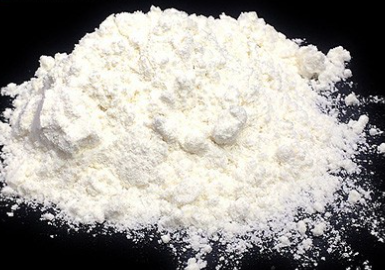
HPMC is a cellulose ether that, on average, has both high tensile strength and viscosity. It is often used as a thickener and emulsifier, as it quickly disperses in water. It is also soluble in most organic solvents and is generally nontoxic.
It is a semisynthetic, inactive, viscoelastic polymer commonly used as a lubricant in ophthalmology, or as an excipient or vehicle in oral medicines.
Hydroxypropyl Methylcellulose Eye Drops Pharmacology
Hypromellose is a part of methyl and part of polyhydroxypropyl ether of cellulose. It can be dissolved in cold water to form a solution with a certain viscosity, and its properties are close to the viscoelastic substances (mainly mucin) in tears. Therefore, it can be used as artificial tears. Its mechanism of action is as follows: it attaches to the surface of the eyeball through the adsorption of the polymer, and simulates the action of conjunctival mucin, thereby improving the state of reduced ocular mucin and increasing the retention time of the eyeball in the state of reduced tears.
In addition, it is used as a thickener, stabilizer, emulsifier, film-forming agent, etc. in the production of other petrochemicals, coatings, building materials, paint removers, papermaking, cosmetics and other products. Here we will detail more about the applications of Hydroxypropyl Methyl cellulose:
Hydroxypropyl Methylcellulose Uses
√ Hydroxypropyl methylcellulose in tablets
HPMC has many properties valuable to the pharmaceutical industry for tablet coatings and capsules, particularly:
l Rapid dissolution of active ingredients
l Controlled release of active ingredients
l Wetting and binding agents
l Protective colloid.
…
√ Hydroxypropyl methylcellulose in food
Adding colloids in the food production process can effectively improve the quality and structure of gluten-free foods and increase the viscosity and elasticity of the food.
Berta et al. studied the effects of zein and hydroxypropyl methylcellulose (HPMC) on the texture and volume of gluten-free bread, and found that adding hydroxypropyl methylcellulose (HPMC) as an emulsifier to starch, it will affect the viscoelasticity of the dough and increase the baking volume of the bread.
√ Hydroxypropyl methylcellulose in skin care
Methyl hydroxyethyl cellulose is found in many cosmetic products, including hair sprays, shampoos, conditioners, toothpaste, and soaps. Like other uses for methyl hydroxyethyl cellulose, it's used to increase the viscosity of these products and make them easier to apply.
Clindamycin Phosphate Gel is a clear, colorless to pale yellow liquid that is thickened with hydroxypropyl methylcellulose. It is applied to the skin once or twice a day…
√ Read More: What is the proper use of HPMC
To wrap it all up, Hydroxypropyl Methyl Cellulose (HPMC) is safe for different uses such as foods, medications, beauty products, and other health uses. Still, the intake of HPMC or Hypromellrose must be supervised by your doctor to know if you are eligible to take such an element.
Hydroxypropyl Methylcellulose Health Risks
Hydroxypropyl Methylcellulose side effects are broad and varied. From mild scalp irritation to more dangerous conditions. The uses of this product should be well understood before you try it. If you have any skin concerns or general health concerns, always consult your doctor before using hydroxypropyl methylcellulose.
Here are the side effects of hydroxypropyl methylcellulose:
hydroxypropyl methylcellulose for skin: Skin Irritation
This product was first used as a safer alternative to plastic for use in diapers. Its ability to absorb large amounts of liquid led to its use in numerous other products, including the lining of tampons and spermicidal jellies, lubricants, and even diuretics…
Read More:https://www.echemi.com/cms/430638.html
Hydroxypropyl Methylcellulose Supplier
Hangzhou KieRay Chem Co., Ltd. is located in YuhangDistrict of Hangzhou City and specialized in chemical product customization, development, sales, import and export. Current business is focused on fine chemicals, pharmaceutical materials and intermediates, pesticides, dyes and biochemical reagents.
Its products have been exported to North America, Europe, Southeast Asia, etc., and have established long-term business relationships with customers all over the world.
● Jinzhou City Honghai Cellulose Co., Ltd
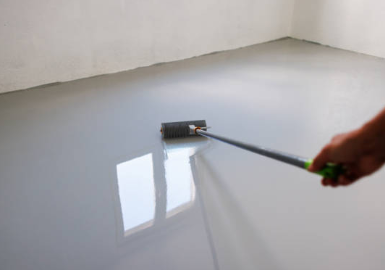
Jinzhou City Honghai Cellulose Co.,Ltd is a manufacturer of various industrial cellulose ether products which have own research, developing and production departments. We have 8 modern automatic production lines with annual output above 20,000 tons of cellulose ether. Our main product is Hydroxypropyl methylcellulose (HPMC) widely used in the construction industry-ceramic tile slurry, crack filler, self-leveling mortar, thermal insulation mortar, putty powder, coating glue, cement-based plastering mortar and cement-based ceramic tile adhesive.
Looking for chemical products? Let suppliers reach out to you!
You May Interested In


2026-10-10
Trade Alert
Delivering the latest product trends and industry news straight to your inbox.
(We'll never share your email address with a third-party.)

Related News
-
From Clumps to Clarity: How to Dissolve HPMC in Water
-
What Are The Hydroxypropyl Methylcellulose Side Effects
-
Cytosine: Structure, DNA Pairing, and Role in Genetics
-
Bovine Serum Albumin (BSA): Role in Cell Culture & Laboratory Applications
-
Iohexol: Properties, Uses, and Safety
-
Isobutyl: Properties, Uses, and Industrial Applications
-
HNO2 (Nitrous Acid): Properties, Uses, and Safety
-
Heptane: Properties, Uses, and Industrial Applications
-
Sodium Hypochlorite: Uses, Concentration Guide, and Critical Safety Hazards
-
Isopropyl Alcohol (IPA) vs Ethanol: Which Solvent or Disinfectant is Better?
Recommend Reading
-
![Applications of Caesium Iodide]()
Applications of Caesium Iodide
-
![Chemical Properties and Uses of Tetraetil]()
Chemical Properties and Uses of Tetraetil
-
![PVEF Polymer: Structure, Properties, and Industrial Applications]()
PVEF Polymer: Structure, Properties, and Industrial Applications
-
![Bivalirudin: Medical Uses, Properties, and Safety]()
Bivalirudin: Medical Uses, Properties, and Safety
-
![Etilen Vinil Acetato: Properties, Uses, and Applications]()
Etilen Vinil Acetato: Properties, Uses, and Applications
-
![关于将二氟乙咪酯等16种物质列入《非药用类麻醉药品和精神药品目录》的公告 Announcement on the Inclusion of 16 Substances including Difluoroetomidate in the Catalogue of Non-Medicinal Narcotic Drugs and Psychotropic Substances]()
关于将二氟乙咪酯等16种物质列入《非药用类麻醉药品和精神药品目录》的公告 Announcement on the Inclusion of 16 Substances including Difluoroetomidate in the Catalogue of Non-Medicinal Narcotic Drugs and Psychotropic Substances
-
![Demand Performance Flat, November Polyester Staple Fiber Prices Fluctuate and Weaken in China]()
Demand Performance Flat, November Polyester Staple Fiber Prices Fluctuate and Weaken in China
-
![Improved Supply-Demand Dynamics Drive PTA Prices to Fluctuate and Rise in November]()
Improved Supply-Demand Dynamics Drive PTA Prices to Fluctuate and Rise in November
-
![China's Soda Ash Market Remains Stable]()
China's Soda Ash Market Remains Stable
-
![Support Turns from Strong to Weak, Shandong n-Butanol Prices Decrease by Over 10% in April]()
Support Turns from Strong to Weak, Shandong n-Butanol Prices Decrease by Over 10% in April