




An Innovative Protein Degrader Targeting STAT3 Receives FDA Orphan Drug Designation
Kymera Therapeutics announced today that the U.S. Food and Drug Administration has granted orphan drug designation to its investigational protein degrader KT-333 for the treatment of peripheral T-cell lymphoma (PTCL). KT-333 is a potential "first-in-class" protein degrader that degrades the transcriptional regulator STAT3. STAT3 is one of the key regulators of PTCL, and no therapy targeting this signaling pathway is currently approved for the treatment of PTCL.
STAT3 is a transcription factor that can be activated by different cytokine and growth factor receptors, possibly also by mutations in oncogenic fusion proteins and STAT3 itself. It has multiple roles in promoting tumor growth and metastasis. Overactive STAT3 has long been considered a "non-druggable" target, and targeting protein degradation provides a new strategy to address the "non-druggable" nature of this target.
KT-333 has resulted in complete and durable tumor regression in various preclinical tumor models. It is currently being evaluated in a Phase 1 clinical trial for the treatment of patients with relapsed/refractory blood cancers and solid tumors, including aggressive lymphomas.
"This orphan drug designation demonstrates the potential of protein degraders targeting STAT3, which has historically been considered undruggable, to revolutionize the treatment of PTCL," said Kymera co-founder and CEO Dr. Nello Mainolfi. "We look forward to collaborating with The lymphoma patient population is collaborating to rapidly advance KT-333 as a potential therapy for PTCL and to expand clinical studies of this innovative mechanism of protein degradation in hematology and solid tumors."

You May Interested In


Glow70/KLOW80 99% China Peptides Warehouse Direct Delivery Lyophilized Powder in Stock
$169/UNIT FOB


2026-10-17
Trade Alert
Delivering the latest product trends and industry news straight to your inbox.
(We'll never share your email address with a third-party.)

Related News
-
Received orphan drug recognition! Shanghai Pharmaceutical SPH4336 breakthrough liposarcoma
-
Innovation Group: Osemitamab (TST001), a new drug targeting Claudin18.2 antibody for the treatment of pancreatic cancer, has been granted orphan drug status by the FDA
-
US Tariff Pressure on Canada Raises Risks for North American Chemical Supply Chains
-
EFSA’s Updated Food-Additive Application Guidance Takes Effect
-
India Approves ₹30.3 Billion Chemical-Park Scheme to Build Three Mega Industrial Hubs
-
FDA Revokes Orange B Authorization and Proposes Removing Citrus Red No. 2
-
EFSA Reviews Clodinafop Risk
-
EU Biocidal Data Protection Extension Raises the Stakes for Chemical Market Entry
-
FDA Dye Pledges Push Natural Colors Into the Mainstream
-
FDA Fee Updates Raise the Cost of Entering the U.S. Generic Drug Chain
Recommend Reading
-
![Your Plant Has the Data. Your AI Cannot Reach It. Here Is Why That Is the Core Problem in Chemical Manufacturing.]()
Your Plant Has the Data. Your AI Cannot Reach It. Here Is Why That Is the Core Problem in Chemical Manufacturing.
-
![FDA and NIH Launch a New Nutrition Science Partnership]()
FDA and NIH Launch a New Nutrition Science Partnership
-
![FDA Sharpens the Dietary Supplement Ingredient Debate]()
FDA Sharpens the Dietary Supplement Ingredient Debate
-
![FDA Reopens the Raw Manure Debate]()
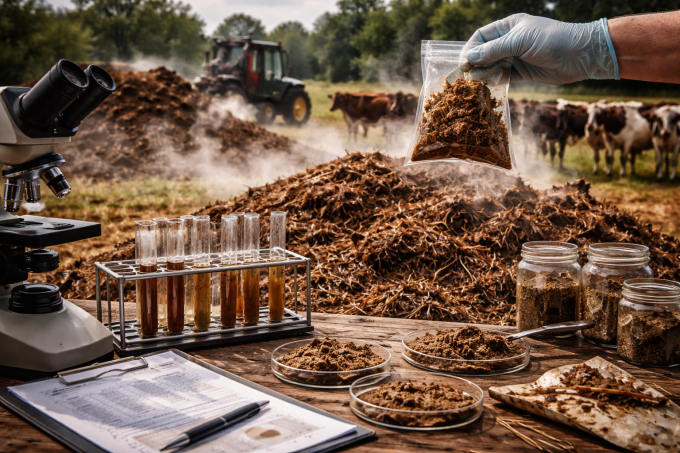
FDA Reopens the Raw Manure Debate
-
![South Korea’s Largest Petrochemical Hub Moves to Cut Cracker Capacity by 40%]()
South Korea’s Largest Petrochemical Hub Moves to Cut Cracker Capacity by 40%
-
![Premium Global Chemical Sourcing Requests (31 Jan - 4 Feb, 2026)]()
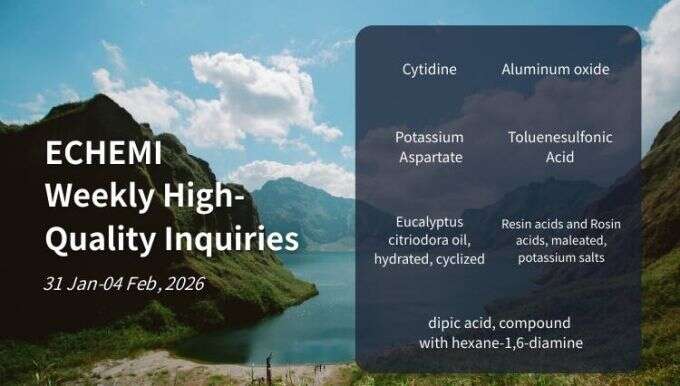
Premium Global Chemical Sourcing Requests (31 Jan - 4 Feb, 2026)
-
![Supply Decreases and Demand Increases, DOP Prices Surge Significantly in January]()
Supply Decreases and Demand Increases, DOP Prices Surge Significantly in January
-
![Weak Cost Support for Melamine, This Round of Minor Price Increase May Not Last]()
Weak Cost Support for Melamine, This Round of Minor Price Increase May Not Last
-
![Costs Rise, Demand Increases—January Isooctanol Prices Surge]()
Costs Rise, Demand Increases—January Isooctanol Prices Surge
-
![MTBE Market Trends Fluctuate and Consolidate]()
MTBE Market Trends Fluctuate and Consolidate







- Hot Searches
- adipic acid price
- retatrutide precio donde comprar
- nonanoic acid
- sds for hydrochloric acid
- foxo4 peptide for sale
- sds xylene
- betaine+skincare+supplier
- azithromycin dihydrate api market price 2026
- white urea fertilizer
- price of anhydrous ammonia today
- buying testosterone enanthate
- calcuim sulfate