What are vinyl chloride manufacturing process steps followed
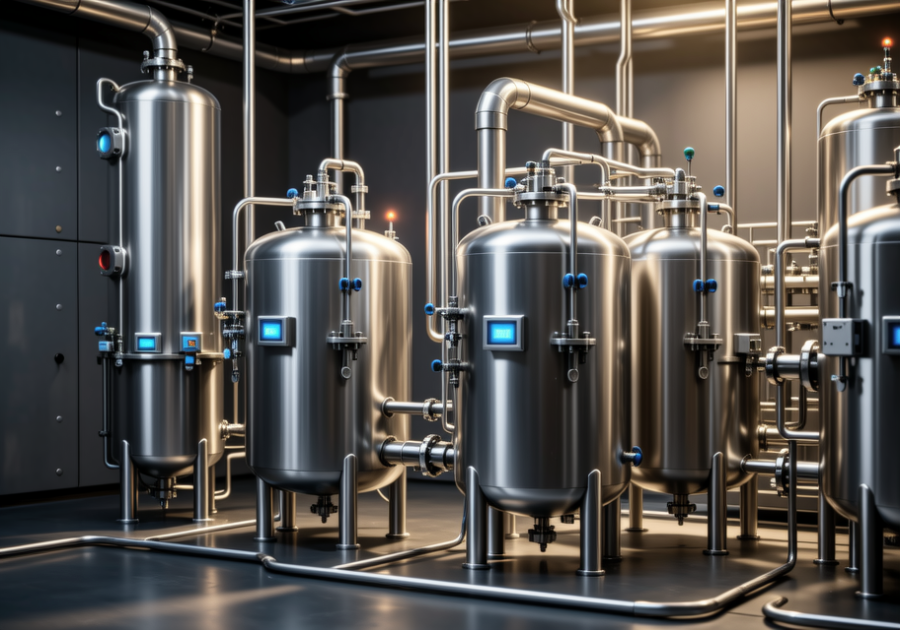
Vinyl chloride manufacturing process is the process of changing vinyl chloride into a polymer solution. Vinyl chloride is a gas which has a number of industrial uses, but the one we will be discussing here is its use in making polyvinyl chloride (PVC). It is made by treating vinyl chloride with two molecules of chlorine. It not only has other uses, but it can also be manufactured into various new materials through polymerization.
vinyl chloride manufacturing process steps followed
1. MANUFACTURING SOLUTION:
This is a necessary and integral step in making polyvinyl chloride. The vinyl chloride that was initially produced was put into a reactor in which it mixed with water. The two were mixed for two hours and the chlorine was then added. After heating, the solvent is removed from this mixture, leaving only a polymer solution. This solution can be easily turned into vapor and distilled to get pure polyvinyl chloride.
2. DISTILLATION:
Distillation is a process in which solids are mixed with liquids and are separated based on the different boiling points of the two. Vinyl chloride has a boiling point of almost 50℃, but polyvinyl chloride has a boiling point of 240℃. Since polyvinyl chloride is a low melting polymer, it can be easily separated from the substrate by distillation. The polyvinyl chloride boils at such high temperatures that it easily separates from everything else and thus makes it easier to collect and obtain pure polyvinyl chloride.
3. VENTING AND CLEANING:
There are two distinct vinyl chloride gases that are produced in the vinyl chloride manufacturing process. The first is pure air and the second is hydrogen chloride gas. The air is released into the atmosphere, but the hydrogen chloride has to be removed from it. It's simply done by removing it from the air using a water scrubber.
4. GLASS BEADS:
This step produces glass beads which are used to manufacture polyvinyl chloride for commercial uses. They are produced in a very similar manner to the polyvinyl manufacturing process mentioned above, but instead of distillation, they use crystallization instead. After manufacture, they are stored in inert solvent and are only heated to 110℃, which produces the polyvinyl chloride.
5. POLYMERATION:
Once the solution is at its boiling point of 50℃, it has turned into a pure gaseous vinyl chloride. This gas then goes through the polymerization process which is where it turns into a pure liquid. In other words it has become polyvinyl chloride. This process goes through an organic catalytic process and an inorganic reaction that produces pure polyvinyl chloride that can be used for many purposes.
6. FILTERING:
Polyvinyl chloride is separated from the other materials through a process called filtration. This process is a difficult one since it takes many steps to separate out all of the impurities that are on the polyvinyl chloride solution. It begins with coagulation which is where the reactants are mixed together and then filtered and then neutralized. Afterwards, they filter again, this time using activated alumina which removes all sorts of other materials as well as many impurities in the solution. After this, they use ceramic filters to see if there are any remaining impurities that still need to be removed from the polymerization solution. Finally, they put the solution in a vacuum through a celite filter.
7. CONTAINER:
Once all the filters have been used and no impurities remain in the polymerization solution, it is then vacuumed and put into containers. These containers are made from glass for maximum safety and are labeled to show that no harmful chemicals are present in them. Also, this gives information as to what kind of polymerization went on in order to make the container safe for human use.
Uses of vinyl chloride
1. PVC
Polyvinyl chloride or PVC is a synthetic polymer that is used in many applications. It is made by the polymerization of vinyl chloride into a solution and then into a solid. This was reported in an article by the Vinyl Institute and was reported to be used in PVC pipe, co-polymer plastics (plasticizers), vinyl flooring, and even some rubber hoses.
2. Urethane Foam
Urethane foam is a foaming agent used to build up a plastic building block as well as create spray foam insulation material. It is made by mixing certain compounds together, which are urethane oligomers and polyols, as well as water. Some of these compounds include methylene diphenyl diisocyanate (MDI), toluene diisocyanate (TDI), trimethylolpropane (TMP), chlorotrifluoroethylene (CTFE), and water.
3. Mylar
Mylar is a solid transparent plastic used to make various films and films as well as envelopes. It is made by mixing and extruding polyester, polyvinyl chloride, and urethane and then molding the product.
4. Binders for Apples
Apples are often coated in a type of wax or a resin to make them more durable before they are shipped out. This process is called waxing or resin coating. The wax is applied in an injection molding machine directly into the apple as it goes through a heating cycle under pressure.
In conclusions Polyvinyl chloride or PVC is good for many different commercial uses and can be used in many different environments without having to worry about the effects of heat, light, or other environmental effects. It is made by a very complicated process that involves both organic and inorganic reactions, but all of them eventually produce pure polyvinyl chloride which can be used for many purposes. This explains vinyl chloride manufacturing process.
Looking for chemical products? Let suppliers reach out to you!
What are zinc stearate uses in paint
You May Interested In


Glow70/KLOW80 99% China Peptides Warehouse Direct Delivery Lyophilized Powder in Stock
$169/UNIT FOB


2026-10-20
Trade Alert
Delivering the latest product trends and industry news straight to your inbox.
(We'll never share your email address with a third-party.)

Related News
-
Glycopyrronium: Pharmaceutical Applications, Mechanism, and Chemical Specs
-
Methanol Methyl Alcohol vs Ethanol: Toxicity, Fuel Uses, and Industrial Solvent Safety
-
What is Sodium Hipoklorit? (Definition, Uses & Safety)
-
Sodium Nitrate: Fertilizer, Food Preservative, and Chemical Properties
-
Barium Sulfide: Properties, Uses, and Safety
-
Sodium Chloride (NaCl): Food Grade vs Industrial Grade Uses & Safety Data
-
Chemical Raw Materials: How to Source Quality Suppliers & Understand Grades
-
Calcium Sulfate: Properties, Uses, and Applications
-
EDTA (Ethylenediaminetetraacetic acid): Chelation Therapy & Industrial Uses
-
Polystyrene (PS): Properties, Foam Applications, and Recycling Challenges
Recommend Reading
-
![Magnesium Stearate in Supplements: Is it Safe? (Vegan Status & Function)]()
Magnesium Stearate in Supplements: Is it Safe? (Vegan Status & Function)
-
![What is Amylum Starch? (Old Terminology & Modern Equivalent)]()
What is Amylum Starch? (Old Terminology & Modern Equivalent)
-
![What is Element Stibium? (Antimony Facts & Uses)]()
What is Element Stibium? (Antimony Facts & Uses)
-
![Potassium Nitrate Reactions & Uses (KNO3)]()
Potassium Nitrate Reactions & Uses (KNO3)
-
![L-Alanine: Amino Acid Profile, Sports Nutrition, and Metabolic Role]()
L-Alanine: Amino Acid Profile, Sports Nutrition, and Metabolic Role
-
![Winter Storms Combined with Geopolitical Tensions Drive Oil Prices Up 3% in a Single Day]()
Winter Storms Combined with Geopolitical Tensions Drive Oil Prices Up 3% in a Single Day
-
![January ammonium sulfate market trend in China shows a strong increase]()
January ammonium sulfate market trend in China shows a strong increase
-
![Raw Material Costs Remain High, Melamine Prices Slightly Increase in China]()
Raw Material Costs Remain High, Melamine Prices Slightly Increase in China
-
![This week, the mainstream price of propylene oxide in the Chinese market has exceeded the 10,000 yuan mark (3.9-3.10)]()
This week, the mainstream price of propylene oxide in the Chinese market has exceeded the 10,000 yuan mark (3.9-3.10)
-
![January China MIBK Market Shows a Phased Recovery]()
January China MIBK Market Shows a Phased Recovery