China ranks the second largest importer in the world for 10 consecutive years
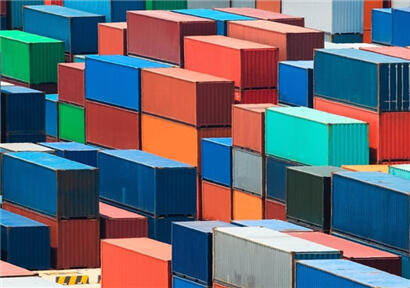
On November 12, Nanjing University Yangtze River Industrial Economics Research Institute, Guangming think tank and guangming.com jointly released the comprehensive import development report 2019 China Import development report (hereinafter referred to as the report) in Beijing. The report shows that since the reform and opening up, China's import development has been very rapid, and China has ranked the second largest importer in the world for 10 consecutive years. Among them, the import of high-tech products increased rapidly, and the import scale of related countries from "one belt and one road" increased significantly. The report points out that in the early days of the founding of the people's Republic of China, due to various reasons, the scale of China's import trade is limited. In 1950, China's total import volume was only 583 million US dollars, and in 1978, it exceeded 10 billion US dollars. From 1979 to 2018, China's import scale increased significantly and gradually became one of the world's largest import trade countries. Among them, from 1979 to 2001, although China's total imports increased, the growth rate was relatively small. In 2001, China's total imports were about US $243553 million. The great leap forward growth of China's import trade began after China's accession to the World Trade Organization in 2001. Since 2002, China's total import has grown exponentially.
In 2008, China's total imports exceeded US $1 trillion for the first time, reaching US $1.13 trillion. In 2018, China's total imports exceeded US $2 trillion for the first time, reaching a record high of US $2.13 trillion, about 3663 times that of 1950. The report points out that in 1999, for the first time, China ranked among the top ten importers in the world, and rose rapidly from the sixth in 2002 to the third in 2003, only next to the United States and Germany, and also the largest developing country importer. In 2009, China's import exceeded that of Germany, becoming the world's second largest importer after the United States for the first time. After that, China has been the second largest importer in the world for many years. Especially since 2011, China's share of world imports has been maintained at about 10%. From the perspective of types of imported products, the report found that the import scale of China's automobile products increased from 4.21 billion US dollars in 2001 to 75.53 billion US dollars in 2017, with an average annual growth of 18.51%; the import scale of high-end equipment products increased from 155.059 billion US dollars in 2007 to 325.187 billion US dollars in 2017; the import scale of science and technology life products increased from 4.15 billion US dollars in 2001 to 27.8 billion US dollars in 2017; and the import scale of products increased from 4.15 billion US dollars in 2001 to 27.8 billion US dollars in 2017 The import scale of quality consumer goods increased from US $2.65 billion in 2001 to US $30.08 billion in 2017. In particular, China's import of high-tech products grew rapidly, from US $73.6 billion in 2001 to US $621.9 billion in 2017, with an average annual growth rate of 13.38%. In 2017, China's imports of high-tech products accounted for 33.73% of China's total imports and 16.15% of the world's imports of high-tech products.
The report shows that the number of China's import sources continues to increase, covering almost all countries in the world. In 1979, China's import trade partners mainly involved 42 countries and regions in the world, about half of which came from the top three import source countries, namely Japan, the United States and Germany. With the accelerated pace of reform and opening up, the scope of China's import sources has been expanding. By 2018, China's import sources have covered more than 230 countries and regions in the world, and the import share of the three major import source countries from South Korea, Japan and the United States has also dropped to 29.8%. Especially since China put forward the "one belt and one way" initiative in 2013, the scale of imports from the "one belt and one way" related countries has increased significantly. In 2013, China's total imports from the "one belt and one way" related countries amounted to 677 billion 974 million US dollars, accounting for about 34.77% of China's total imports. In 2018, China's total imports from the "one belt and one way" related countries increased to 861 billion 867 million US dollars, accounting for 40.36% of China's total imports in the current year, 1.27 times that of 2013.

You May Interested In


High Quality β-Nicotinamide adenine dinucleotide CAS 53-84-9 NADwith ready stock and best price
$3E+1/UNIT FOB


2026-10-23
Trade Alert
Delivering the latest product trends and industry news straight to your inbox.
(We'll never share your email address with a third-party.)

Related News
-
IFAT Munich 2024: Trade Fair for Water, Sewage, Waste and Raw Materials Management
-
Pesticide import and export situation in China in August 2022
-
How much do you know about the AEO?
-
How Much Do You Know About The AEO System of 'One Belt One Road' Countries?
-
The Total Value of China's Imports And Exports in The First 11 Months Exceeds That of Last Year, Reaching 35.39 Trillion Yuan
-
The Total Value of China's Imports And Exports in The First 11 Months Exceeds That of Last Year, Reaching 35.39 Trillion Yuan
-
The export volume of original medicines increased by 96%! Recently, China's pesticide imports and exports have both increased!
-
India imposes anti-dumping duties on TDI imports from Chinese Taipei, Europe, Japan, South Korea and the United States
-
Many countries have adjusted tariffs, and China has issued a number of import and export-related policies!
-
India's macrolide API: 90% imported from China
Recommend Reading
-
![Japan Begins Construction of the World’s Largest Commercial Liquid Hydrogen Receiving Terminal]()
Japan Begins Construction of the World’s Largest Commercial Liquid Hydrogen Receiving Terminal
-
![China’s Acrylic Emulsion Leaders Raise Prices by Up to 15% as Monomer Costs Surge]()
China’s Acrylic Emulsion Leaders Raise Prices by Up to 15% as Monomer Costs Surge
-
![Wuxi Yinda Nylon Acquires German Century-Old Chemical Giant Perlon]()
Wuxi Yinda Nylon Acquires German Century-Old Chemical Giant Perlon
-
![Synthomer Sells Its Last Upstream Chemical Business]()
Synthomer Sells Its Last Upstream Chemical Business
-
![European Petrochemicals Enter 'Era of Downsizing' as Dow, TotalEnergies, Shell Exit Older Cracker Assets]()
European Petrochemicals Enter 'Era of Downsizing' as Dow, TotalEnergies, Shell Exit Older Cracker Assets
-
![Polyethylene Strengthens, May See High-Level Fluctuations in the Future]()
Polyethylene Strengthens, May See High-Level Fluctuations in the Future
-
![Business Society’s August 25, 2026 Butadiene Market Outlook: Recovery]()
Business Society’s August 25, 2026 Butadiene Market Outlook: Recovery
-
![This Week's Styrene Market Fluctuates and Declines (10.12-10.16)]()
This Week's Styrene Market Fluctuates and Declines (10.12-10.16)
-
![Bivalirudin: Medical Uses, Properties, and Safety]()
Bivalirudin: Medical Uses, Properties, and Safety
-
![Peak Season Demand Proven False and Expectations of Future Oversupply Resonate as Lithium Carbonate Falls to New Low for the Year in China]()
Peak Season Demand Proven False and Expectations of Future Oversupply Resonate as Lithium Carbonate Falls to New Low for the Year in China