How Does the Nitric Acid Manufacturing Process Work?
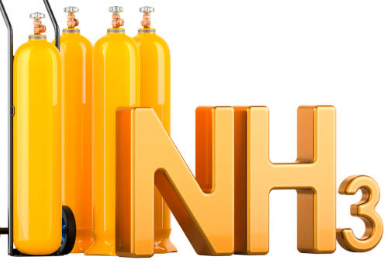
Nitric acid (HNO₃) is a highly reactive and corrosive oxidizing agent widely used in fertilizers, explosives, cleaning agents, and the chemical industry. Its manufacturing process primarily involves controlled oxidation reactions of ammonia or sodium hydroxide, often in the presence of hydrochloric acid.
How Nitric Acid Is Manufactured
The process centers on producing nitric oxide (NO), which is later converted to nitric acid. One industrial method involves reacting hydrochloric acid with ammonia or sodium hydroxide. Instead of sulfuric acid, hydrochloric acid is preferred due to its slower reaction with nitric oxide, allowing better control.
Key reactions:
- Ammonia or NaOH reacts with HCl to form NO and H₂O.
- Steam is used to maintain temperature by passing over hot iron in a boiler.
- Recycled chlorine gas enhances efficiency without forming chloric acid quickly.
Physical Properties of Nitric Acid
| Property |
Value |
| Boiling Point |
118℃ |
| Melting Point |
-42℃ |
| Density (liquid) |
1.51 g/cm³ |
| Vapor Pressure at 25℃ |
0.2 mm Hg |
| Appearance |
Clear to yellowish liquid; highly corrosive |
Main Industrial and Consumer Applications
- Fertilizer production – Forms ammonium nitrate.
- Explosives manufacturing – Used in TNT and nitroglycerin synthesis.
- Cleaning and bleaching – Brightens textiles and removes stains.
- Disinfectant – Used in cosmetics like face creams and hair dyes.
- Preservative – Limited use in processed meats and jerky, regulated due to nitrosamine risks.
Important Safety and Environmental Notes
Nitric acid is extremely corrosive and emits toxic fumes when heated. Its handling requires proper ventilation, protective equipment, and emission control systems. Reactions must be precisely monitored to avoid harmful by-products and ensure environmental safety.
Conclusion
The nitric acid manufacturing process involves the controlled oxidation of ammonia or hydroxide compounds, typically in the presence of hydrochloric acid. Its applications span agriculture, industry, and medicine. With proper safety and process controls, nitric acid remains a critical chemical in modern production systems.
Looking for chemical products? Let suppliers reach out to you!
You May Interested In


2026-10-03
Trade Alert
Delivering the latest product trends and industry news straight to your inbox.
(We'll never share your email address with a third-party.)

Related News
-
Cytosine: Structure, DNA Pairing, and Role in Genetics
-
Bovine Serum Albumin (BSA): Role in Cell Culture & Laboratory Applications
-
PEG (Polyethylene Glycol): Uses in Pharma, Cosmetics, and PEGylation
-
What is HCO3? (Bicarbonate Ion Function & Normal Levels)
-
HNO2 (Nitrous Acid): Properties, Uses, and Safety
-
Phosphoric Acid: Uses in Cola, Rust Removal, and Fertilizers Explained
-
Heptane: Properties, Uses, and Industrial Applications
-
Silver Nitrate: Medical Uses, Photography History, and Staining Properties
-
Sodium Hypochlorite: Uses, Concentration Guide, and Critical Safety Hazards
-
Isopropyl Alcohol (IPA) vs Ethanol: Which Solvent or Disinfectant is Better?
Recommend Reading
-
![Sulfuric Acid (H2SO4): Properties, Battery Uses, and Extreme Safety Hazards]()
Sulfuric Acid (H2SO4): Properties, Battery Uses, and Extreme Safety Hazards
-
![What is Trametenolic Acid? (Structure, Sources & Research)]()
What is Trametenolic Acid? (Structure, Sources & Research)
-
![Ammonia Chemical Formula: NH3 Structure & Properties]()
Ammonia Chemical Formula: NH3 Structure & Properties
-
![Benzyl Alcohol: Uses in Cosmetics, Preservative Efficacy, and Safety]()
Benzyl Alcohol: Uses in Cosmetics, Preservative Efficacy, and Safety
-
![Potassium Nitrate Reactions & Uses (KNO3)]()
Potassium Nitrate Reactions & Uses (KNO3)
-
![Business Society’s Market Outlook for Acrylic Acid on September 7, 2026: Strong Consolidation]()
Business Society’s Market Outlook for Acrylic Acid on September 7, 2026: Strong Consolidation
-
![Business Society’s Market Outlook for Isooctanol on September 7, 2026: More Warnings of Resistance to Decline]()
Business Society’s Market Outlook for Isooctanol on September 7, 2026: More Warnings of Resistance to Decline
-
![In June, the soda ash market in China continued to decline]()
In June, the soda ash market in China continued to decline
-
![In June, the Chinese epoxy resins market saw a significant one-sided decline]()
In June, the Chinese epoxy resins market saw a significant one-sided decline
-
![China’s Marine Fuel Market in June Exhibits an Inverted V-Shaped Trend]()
China’s Marine Fuel Market in June Exhibits an Inverted V-Shaped Trend