**** SECTION 1 - CHEMICAL PRODUCT AND COMPANY IDENTIFICATION **** |
MSDS Name: 1,4-dioxane Synonyms: Diethylene dioxide; dioxyethylene ether; p-dioxane; Diethylene Ether CAS No.: 123-91- 1 Molecular Weight: 88. 12 Chemical Formula: C4H8O2 | **** SECTION 2 - COMPOSITION, INFORMATION ON INGREDIENTS **** |
CAS# Chemical Name Content Hazardous
123-91- 1 | 1,4-dioxane | 99.5%min | yes |
| **** SECTION 3 - HAZARDS IDENTIFICATION **** |
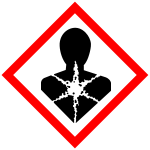
EMERGENCY OVERVIEW Danger! Tends to form explosive peroxides, especially when anhydrous. Flammable liquid and vapor. Harmful if swallowed, inhaled or absorbed through skin. Affects central nervous system, liver and kidneys. Causes irritation to skin, eyes and respiratory tract. Possible cancer hazard. May cause cancer based on animal data. Risk of cancer depends on duration and level of exposure.
Health Rating: 3 - Severe (Cancer Causing) Flammability Rating: 4 - Extreme (Flammable) Reactivity Rating: 2 - Moderate Contact Rating: 3 - Severe (Life) Lab Protective Equip: GOGGLES & SHIELD; LAB COAT & APRON; VENT HOOD; PROPER GLOVES; CLASS B EXTINGUISHER Storage Color Code: Red (Flammable)
POTENTIAL HEALTH EFFECTS Inhalation: Highly toxic by inhalation. Easily absorbed through lungs. Symptoms include irritation of the respiratory tract, headache, nausea, vomiting, dizziness, and narcosis. Can cause liver damage and brain and lung edema. Death may occur from kidney failure. Dioxane poisoning has poor warning properties. Ingestion: Sore throat, abdominal pain. Other symptoms parallel those from inhalation. Skin Contact: Causes irritation to skin. Symptoms include redness, itching, and pain. May be absorbed through the skin with possible systemic effects. Eye Contact:
Vapors cause eye irritation. Splashes cause severe irritation, possible corneal burns and eye damage. Chronic Exposure: Prolonged exposure may cause central nervous system depression, loss of appetite, nausea, abdominal tenderness, and liver or kidney damage. Prolonged skin contact may cause dermatitis. Suspected human carcinogen based on animal data. Repeated inhalation exposures to low concentrations have been fatal. Aggravation of Pre-existing Conditions: Persons with pre-existing skin disorders or eye problems, or impaired liver, kidney or respiratory function may be more susceptible to the effects of the substance.
**** SECTION 4 - FIRST AID MEASURES **** |
Inhalation: Remove to fresh air. If not breathing, give artificial respiration. If breathing is difficult, give oxygen. Call a physician. Ingestion: Induce vomiting immediately as directed by medical personnel. Never give anything by mouth to an unconscious person. Call a physician. Skin Contact: In case of contact, immediately flush skin with plenty of water for at least 15 minutes while removing contaminated clothing and shoes. Wash clothing before reuse. Call a physician. Eye Contact: Immediately flush eyes with plenty of water for at least 15 minutes, lifting lower and upper eyelids occasionally. Get medical attention immediately. | **** SECTION 5 - FIRE FIGHTING MEASURES **** |
Fire: Flash point: 12C (54F) CC Autoignition temperature: 180C (356F) Flammable limits in air % by volume: lel: 2.0; uel: 22.0 Flammable. Explosion: Above flash point, vapor-air mixtures are explosive within flammable limits noted above. Vapors can flow along surfaces to distant ignition source and flashback. Substance can explode when redistilled. Contact with strong oxidizers may cause fire. Sealed containers may rupture when heated. Sensitive to static discharge. Fire Extinguishing Media: Dry chemical, foam or carbon dioxide. Water spray may be used to keep fire exposed containers cool. Water may be used to flush spills away from exposures and to dilute spills to non-flammable mixtures. Special Information: In the event of a fire, wear full protective clothing and NIOSH-approved self-contained breathing apparatus with full facepiece operated in the pressure demand or other positive pressure mode. This highly flammable liquid must be kept from sparks, open flame, hot surfaces, and all sources of heat and ignition. | **** SECTION 6 - ACCIDENTAL RELEASE MEASURES **** |
Ventilate area of leak or spill. Remove all sources of ignition. Wear appropriate personal protective equipment as specified in Section 8. Isolate hazard area. Keep unnecessary and unprotected personnel from entering. Contain and recover liquid when possible. Use non-sparking tools and equipment. Collect liquid in an appropriate container or absorb with an inert material (e. g., vermiculite, dry sand, earth), and place in a chemical waste container. Do not use combustible materials, such as saw dust. Do not flush to sewer! If a leak or spill has not ignited, use water spray to disperse the vapors, to protect personnel attempting to stop leak, and to flush spills away from exposures.
**** SECTION 7 - HANDLING and STORAGE **** |
Protect against physical damage. Store in a cool, dry well-ventilated location, away from direct sunlight and any area where the fire hazard may be acute. Store in tightly closed containers (preferably under nitrogen atmosphere). Outside or detached storage is preferred. Inside storage should be in a standard flammable liquids storage room or cabinet. Separate from oxidizing materials. Containers should be bonded and grounded for transfers to avoid static sparks. Storage and use areas should be No Smoking areas. Use non-sparking type tools and equipment. Protect from freezing. Before using bulk quantities of this material, test for presence of explosive peroxides. Wear special protective equipment (Sec. 8) for maintenance break-in or where exposures may exceed established exposure levels. Wash hands, face, forearms and neck when exiting restricted areas. Shower, dispose of outer clothing, change to clean garments at the end of the day. Avoid cross-contamination of street clothes. Wash hands before eating and do not eat, drink, or smoke in workplace. Containers of this material may be hazardous when empty since they retain product residues (vapors, liquid); observe all warnings and precautions listed for the product. | **** SECTION 8 - EXPOSURE CONTROLS, PERSONAL PROTECTION **** |
Airborne Exposure Limits: -OSHA Permissible Exposure Limit (PEL): 100 ppm (TWA) skin -ACGIH Threshold Limit Value (TLV): 20 ppm (TWA) skin, A3 - Animal Carcinogen Ventilation System: A system of local and/or general exhaust is recommended to keep employee exposures below the Airborne Exposure Limits. Local exhaust ventilation is generally preferred because it can control the emissions of the contaminant at its source, preventing dispersion of it into the general work area. Please refer to the ACGIH document, Industrial Ventilation, A Manual of Recommended Practices, most recent edition, for details. Personal Respirators (NIOSH Approved): If the exposure limit is exceeded, wear a supplied air, full-facepiece respirator, airlined hood, or full-facepiece self-contained breathing apparatus. This substance has questionable warning properties. Skin Protection: Wear impervious protective clothing, including boots, gloves, lab coat, apron or coveralls, as appropriate, to prevent skin contact. Nitrile is recommended as a suitable material for personal protective equipment. Eye Protection: Use chemical safety goggles and/or a full face shield where splashing is possible. Maintain eye wash fountain and quick-drench facilities in work area. | **** SECTION 9 - PHYSICAL AND CHEMICAL PROPERTIES **** |
Physical State: Appearance: Odor: Solubility: Specific Gravity: pH: |
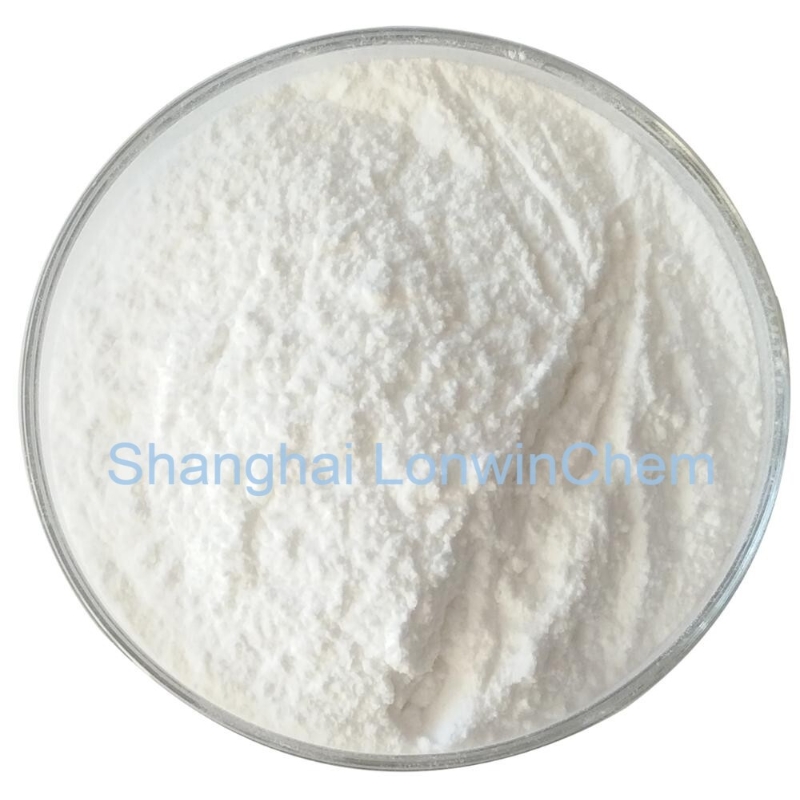
liquid Clear, colorless solution. Faint ether-like odor. Soluble 1.03 @ 20C/4C No information found. |
% Volatiles by volume @ 21C (70F): Boiling Point: Melting Point: Vapor Density (Air= 1): Vapor Pressure (mm Hg): Evaporation Rate (BuAc= 1): |
100 101C (214F) 11.8C (54F) 3.03 27 @ 20C (68F) 2.7 | **** SECTION 10 - STABILITY AND REACTIVITY **** |
Stability: Stable in closed containers under nitrogen at room temperature. Anhydrous dioxane slowly reacts with atmospheric oxygen to form explosive peroxides. If these peroxides are concentrated by evaporation or distillation, there exists a serious risk of explosion. Hazardous Decomposition Products: Reacts with air to form explosive peroxides under certain conditions; exposure to sunlight accelerates this
formation. Decomposes to carbon monoxide. Hazardous Polymerization: Will not occur. Incompatibilities: Silver perchlorate, oxidizing agents, sulfur trioxide. Dioxane may react with hydrogen in the presence of Raney nickel above 210C (410F). Conditions to Avoid: Heat, flame, ignition sources, incompatibles, air, sunlight.
**** SECTION 11 - TOXICOLOGICAL INFORMATION **** |
Oral mouse LD50: 7120 mg/kg; inhalation rat LC50: 46 gm/m3/2H; skin rabbit LD50: 7600 mg/kg; investigated as a mutagen, tumorigen, reproductive effector. | **** SECTION 12 - ECOLOGICAL INFORMATION **** |
Environmental Fate: When released into the soil, this material is not expected to biodegrade. When released into the soil, this material may leach into groundwater. When released into the soil, this material may evaporate to a moderate extent. When released into water, this material is not expected to biodegrade. When released into water, this material may evaporate to a moderate extent. This material has a log octanol-water partition coefficient of less than 3.0. This material is not expected to significantly bioaccumulate. When released into the air, this material is expected to be readily degraded by reaction with photochemically produced hydroxyl radicals. When released into the air, this material is expected to have a half-life of less than 1 day. Environmental Toxicity: This material is not expected to be toxic to aquatic life. The LC50/96-hour values for fish are over 100 mg/l. | **** SECTION 13 - DISPOSAL CONSIDERATIONS **** |
Whatever cannot be saved for recovery or recycling should be handled as hazardous waste and sent to a RCRA approved waste facility. Processing, use or contamination of this product may change the waste management options. State and local disposal regulations may differ from federal disposal regulations. Dispose of container and unused contents in accordance with federal, state and local requirements. Dispose of in a manner consistent with Chinese and local regulations. | **** SECTION 14 - TRANSPORT INFORMATION **** | ![Shop 1,4-dioxane-Detailed Image 2]()
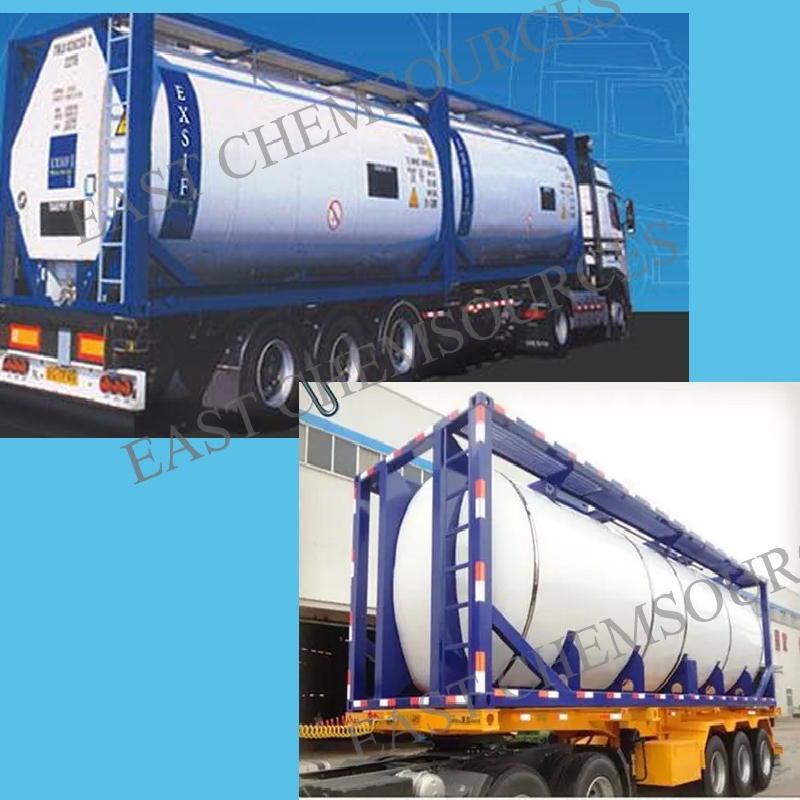
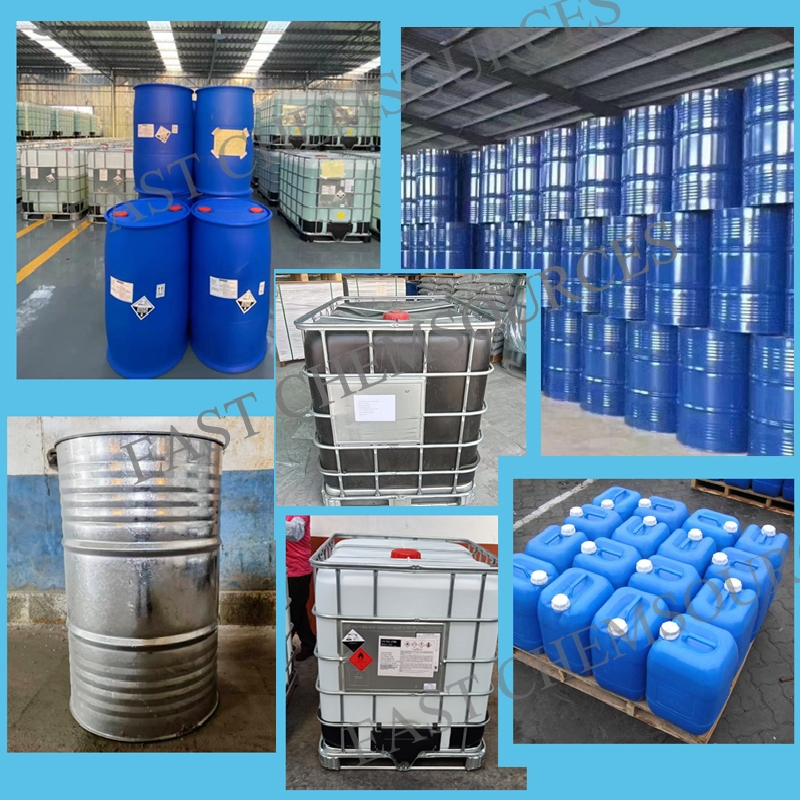
Domestic (Land, D.O.T.) Proper Shipping Name: DIOXANE Hazard Class: 3 UN/NA: UN1165 Packing Group: II Information reported for product/size: 20L | ![Shop 1,4-dioxane-Detailed Image 3]()
International (Water, I.M.O.) Proper Shipping Name: DIOXANE Hazard Class: 3.2 UN/NA: UN1165 Packing Group: II Information reported for product/size: 20L | **** SECTION 15 - REGULATORY INFORMATION **** |
Poison Schedule: S6 | **** SECTION 16 - ADDITIONAL INFORMATION **** |
NFPA Ratings: Health: 2 Flammability: 3 Reactivity: 1 Label Hazard Warning: DANGER! TENDS TO FORM EXPLOSIVE PEROXIDES, ESPECIALLY WHEN ANHYDROUS. FLAMMABLE LIQUID AND VAPOR. HARMFUL IF SWALLOWED, INHALED OR ABSORBED THROUGH SKIN. AFFECTS CENTRAL NERVOUS SYSTEM, LIVER AND KIDNEYS. CAUSES IRRITATION TO SKIN, EYES AND RESPIRATORY TRACT. POSSIBLE CANCER HAZARD. MAY CAUSE CANCER BASED ON ANIMAL DATA. Risk of cancer depends on duration and level of exposure. Label Precautions: Wash thoroughly after handling. Do not breathe vapor. Keep container tightly closed. Use only with adequate ventilation. Do not get in eyes, on skin, or on clothing. Keep away from heat, sparks and flame. Do not evaporate to dryness unless absence of peroxides has been shown. Label First Aid: If swallowed, induce vomiting immediately as directed by medical personnel. Never give anything by mouth to an unconscious person. If inhaled, remove to fresh air. If not breathing, give artificial respiration. If breathing is difficult, give oxygen. In case of contact, immediately flush eyes or skin with plenty of water for at least 15 minutes while removing contaminated clothing and shoes. Wash clothing before reuse. In all cases call a physician.
The information above is believed to be accurate and represents the best information currently available to us. However, we make no warranty of merchantability or any other warranty, express or implied, with respect to such information, and we assume no liability resulting from its use. Users should make their own investigations to determine the suitability of the information for their particular purposes. In no way shall the company be liable for any claims, losses, or damages of any third party or for lost profits or any special, indirect, incidental, consequential or exemplary damages, howsoever arising, even if the company has been advised of the possibility of such damages. |









 United States
 Belgium