Product
Supplier
Encyclopedia
Inquiry
Home > Biochemical Engineering > Amino Acids and Proteins > Asparagine for Sale > Best Selling Price Asparagine CAS NO (3130-87-8) In White Powder Form
Best Selling Price Asparagine  CAS NO (3130-87-8) In White Powder Form buy - large image1
Best Selling Price Asparagine  CAS NO (3130-87-8) In White Powder Form buy - image1
Best Selling Price Asparagine  CAS NO (3130-87-8) In White Powder Form buy - image2
Best Selling Price Asparagine  CAS NO (3130-87-8) In White Powder Form buy - image3
Best Selling Price Asparagine  CAS NO (3130-87-8) In White Powder Form buy - image4
Best Selling Price Asparagine  CAS NO (3130-87-8) In White Powder Form buy - image5
Best Selling Price Asparagine  CAS NO (3130-87-8) In White Powder Form buy - image6

Best Selling Price Asparagine CAS NO (3130-87-8) In White Powder Form

Unit Price: Get Latest Price
CAS No.:

3130-87-8

Grade:

Industrial Grade

Content:

99%

Port:

Durban

Brand:

Custom

Packaging:

As per customer requirement

Price valid (until):

2024-06-01

Company Type:
Distributor
Location:
South Africa
Qualification:
Main Products:

Sodium Lauryl Ether Sulfate,Caustic Soda,Soda Ash,Citric Acid,Calcium Hypochlorite,Oxalic Acid

  • Product Description

  • Seller Information

  • Description


      Product Detail  


                    1. Asparagine, represented by the chemical formula C4H8N2O3 and identified by the CAS number 3130-87-8, is a pivotal amino acid crucial for various biological processes within living organisms. Structurally, it comprises an amino group, a carboxyl group, and an amide side chain, endowing it with unique chemical properties and enabling its involvement in a multitude of biochemical reactions.

                      One of the primary functions of asparagine is its integral role in protein synthesis. As a constituent of polypeptide chains, asparagine contributes to the structural integrity and functional diversity of proteins. During translation, transfer RNA molecules ferry asparagine to ribosomes, where it is incorporated into nascent polypeptide chains according to the sequence of messenger RNA, ultimately dictating the structure and function of the resulting protein.

                      Moreover, asparagine is indispensable for nitrogen metabolism. It serves as a precursor for the synthesis of urea, a process vital for the excretion of excess nitrogenous waste from the body. In the liver, asparagine undergoes transamination to produce oxaloacetate and glutamate, ultimately contributing to the urea cycle's production of urea, which is excreted via urine. This mechanism helps maintain nitrogen balance in the body and prevents the accumulation of toxic ammonia.

                      Additionally, asparagine plays a crucial role in the biosynthesis of other essential biomolecules. It serves as a precursor for the synthesis of nucleotides, contributing to the formation of purine and pyrimidine bases essential for nucleic acid synthesis. Furthermore, asparagine is involved in the synthesis of various neurotransmitters, including glutamate and gamma-aminobutyric acid (GABA), influencing neuronal signaling and neurotransmission.

                      Asparagine is sourced from dietary protein, with rich sources including meat, fish, dairy products, legumes, nuts, and seeds. These dietary reservoirs provide the necessary substrate for protein synthesis and metabolic processes essential for growth, repair, and maintenance of bodily tissues. Additionally, asparagine can be synthesized endogenously from other amino acids, particularly aspartate, through the enzymatic activity of asparagine synthetase.

                      The metabolism of asparagine is tightly regulated to maintain cellular homeostasis and prevent the accumulation of toxic metabolites. Enzymes such as asparaginase catalyze the hydrolysis of asparagine to aspartate and ammonia, a mechanism utilized in cancer therapy to target tumor cells reliant on asparagine for growth and proliferation.

                      Disruptions in asparagine metabolism can lead to various pathological conditions. Deficiencies in enzymes involved in asparagine synthesis or metabolism can result in metabolic disorders such as asparagine synthetase deficiency, characterized by neurological symptoms and developmental delays. Conversely, elevated levels of asparagine have been implicated in certain types of cancer, where it promotes tumor growth and metastasis.

                      In conclusion, asparagine is a vital amino acid with diverse roles in protein synthesis, nitrogen metabolism, and the biosynthesis of essential biomolecules. Its multifaceted functions underscore its significance in maintaining cellular homeostasis and overall health, warranting further research into its therapeutic potential in various diseases and metabolic disorders.


      Specifications  


    Items Specifications
    Chemical Formula C4H8N2O3
    Molecular Weight 132.12 g/mol
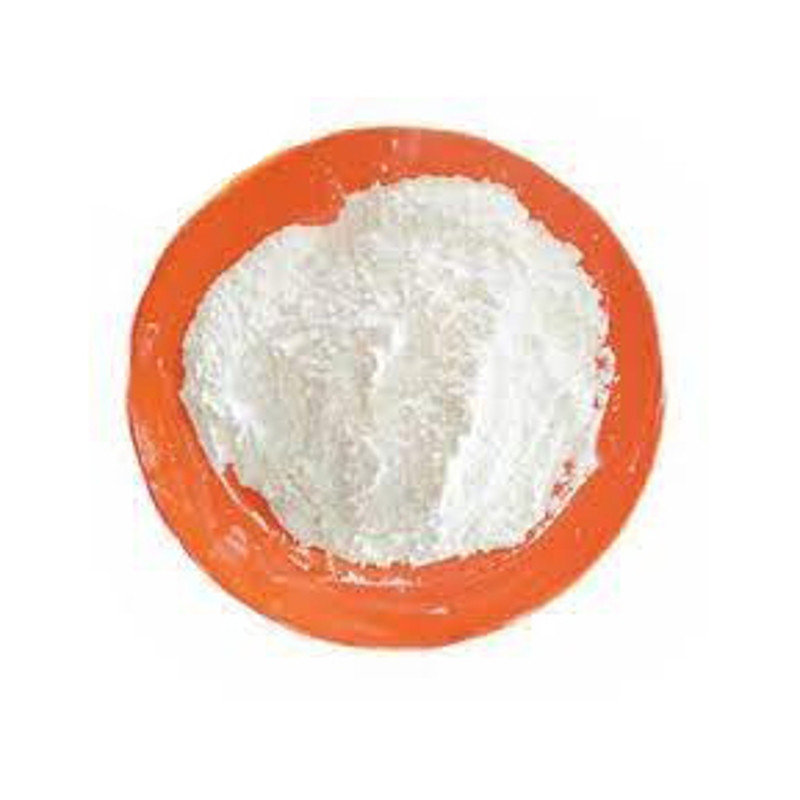
    Appearance White crystalline powder
    Melting Point 235-238°C
    Boiling Point Decomposes
    Density 1.543 g/cm³
    Solubility Soluble in water, slightly soluble in ethanol
    pH 5.4 - 6.0 (1% solution)
    Optical Rotation +52.7° (c=2, H2O)
    Purity ≥ 98%
    Storage Store in a cool, dry place
    Stability Stable under recommended storage conditions
    Hazard Information Not considered hazardous under normal use
    Regulatory Compliance Complies with regulations
    Applications Used in cell culture media, biochemical research


      Product Detail  


    Shop Factory Price Asparagine  CAS NO (3130-87-8) Available In Bulk-Detailed Image 1Shop Factory Price Asparagine  CAS NO (3130-87-8) Available In Bulk-Detailed Image 2Shop Factory Price Asparagine  CAS NO (3130-87-8) Available In Bulk-Detailed Image 3Shop Factory Price Asparagine  CAS NO (3130-87-8) Available In Bulk-Detailed Image 4Shop Factory Price Asparagine  CAS NO (3130-87-8) Available In Bulk-Detailed Image 5Shop Factory Price Asparagine  CAS NO (3130-87-8) Available In Bulk-Detailed Image 6

    Basic Info
    Product Name:

    Asparagine

    Other Name:

    Asparagine;Asparagine,DL-;(±)-Asparagine;DL-Aspartamine;NSC 206243;NSC 7891;2-Aminosuccinamic acid;2-Amino-3-carbamoylpropanoic acid;2,4-Diamino-4-oxobutanoic acid

    CAS No.:

    3130-87-8

    Molecular Formula:

    C4H8N2O3

    InChIKeys:

    InChIKey=DCXYFEDJOCDNAF-UHFFFAOYSA-N

    Molecular Weight:

    150.13

    Exact Mass:

    132.12

    BRN:

    6234992

    EC Number:

    221-521-1

    NSC Number:

    206243|82391|7891

    HScode:

    29241900

    Characteristics
    PSA:

    107 Ų

    XLogP3:

    -0.32570

    Appearance:

    White Fine Crystalline Powder

    Density:

    1.4±0.1 g/cm3

    Melting Point:

    280-285 °C (decomp)

    Boiling Point:

    438°C at 760 mmHg

    Flash Point:

    218.7±27.3 °C

    Refractive Index:

    1.533

    Water Solubility:

    H2O: soluble

    Storage Conditions:

    Store in a tightly closed container. Store in a cool, dry, well-ventilated area away from incompatible substances.

    Hazard Identification

    Classification of the substance or mixture

    Not classified.

    GHS label elements, including precautionary statements

    Pictogram(s) No symbol.
    Signal word

    No signal word

    Hazard statement(s)

    none

    Precautionary statement(s)
    Prevention

    none

    Response

    none

    Storage

    none

    Disposal

    none

    Other hazards which do not result in classification

    no data available

    Handling and Storage

    Precautions for safe handling

    Handling in a well ventilated place. Wear suitable protective clothing. Avoid contact with skin and eyes. Avoid formation of dust and aerosols. Use non-sparking tools. Prevent fire caused by electrostatic discharge steam.

    Conditions for safe storage, including any incompatibilities

    Store the container tightly closed in a dry, cool and well-ventilated place. Store apart from foodstuff containers or incompatible materials.

  • Seller Information
    Business Type:

    Distributor

    Main Products:

    Sodium Lauryl Ether Sulfate,Caustic Soda,Soda Ash,Citric Acid,Calcium Hypochlorite,Oxalic Acid

    Location:

    13 PROTEA PARK MILKWOOD STREET RANGEVIEW GAUTENG 1739

    Payment Terms:

    TT against copy of documents,TT against B/L draft before shipment

    Average lead Time:

    60

    Total Annual Revenue:

    $1 million-$2.5 million

    Total Employees:

    11-50

    Year of Establishment:

    2012

  • Country Product Purchase Quantity Date Posted
    Post an enquiry for this product
pic ×

Scan the QR Code to Share

All products displayed on this website are only for non-medical purposes such as industrial applications or scientific research, and cannot be used for clinical diagnosis or treatment of humans or animals. They are not medicinal or edible.

According to relevant laws and regulations and the regulations of this website, units or individuals who purchase hazardous materials should obtain valid qualifications and qualification conditions.

The information shown above is provided by the enterprise itself, and the authenticity, accuracy and legitimacy of the content are the responsibility of the publishing company. ECHEMI does not bear any guarantee responsibility for this. Please be aware that risks in internet transactions objectively exist.

Feedback & Suggestions
Send Message

Thank you for your feedback. If you require further assistance, please contact us by email at info@echemi.com or call us at +86-532-55729510.