Product
Supplier
Encyclopedia
Inquiry
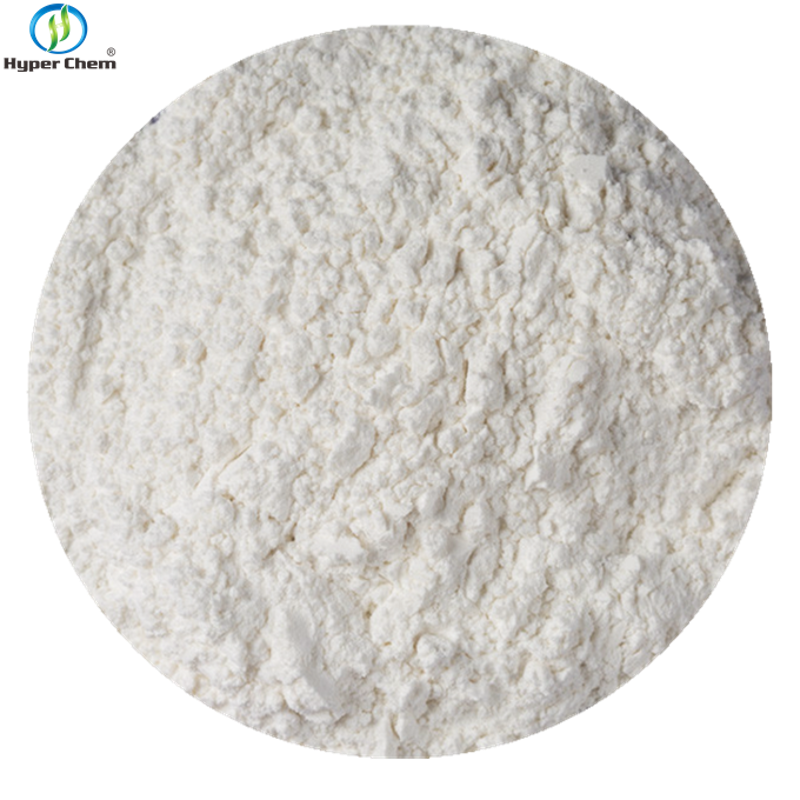
API Alendronate sodium buy - large image1
API Alendronate sodium buy - image1

API Alendronate sodium

Unit Price: Get Latest Price
CAS No.:

121268-17-5

Grade:

Pharmaceutical Grade

Content:

99%

Port:

shanghai

Brand:

Hyper Chem

Packaging:

20kg/Drum 25kg/Drum

Sample Available:

Yes

Price valid (until):

2025-10-18

Company Type:
Trader
Location:
China
Payment Terms:
TT against copy of documents,D/P,L/C,D/A,O/A,TT against B/L draft before shipment,100% TT in advance
Average Lead Time:
10 days
Qualification:
Main Products:

Pharmaceuticals,Peptide,Cosmetics,Nutritional Supplements

  • Product Description

  • Seller Information

  • Description

    Name

    Alendronate sodium

    CAS number

    121268-17-5 (sodium hydrate)

    Description

    Alendronate sodium is the sodium salt of alendronate, a second generation bisphosphonate and synthetic analog of pyrophosphate with bone anti-resorption activity. Alendronate sodium binds to and inhibits the activity of geranyltranstransferase (farnesyl pyrophosphate synthetase), an enzyme involved in terpenoid biosynthesis. Inhibition of this enzyme prevents the biosynthesis of isoprenoid lipids (FPP and GGPP) that are donor substrates of farnesylation and geranylgeranylation during the post-translational modification of small GTPase signalling proteins, which is important in the process of osteoclast turnover.

    Synonym

    Alendronate sodium; Alendronate disodium; Fosamax: Adronat; Alendros; Onclast. Code names: G704650; G-704650; G 704650; MK217; MK-217; MK 217;

    Appearance

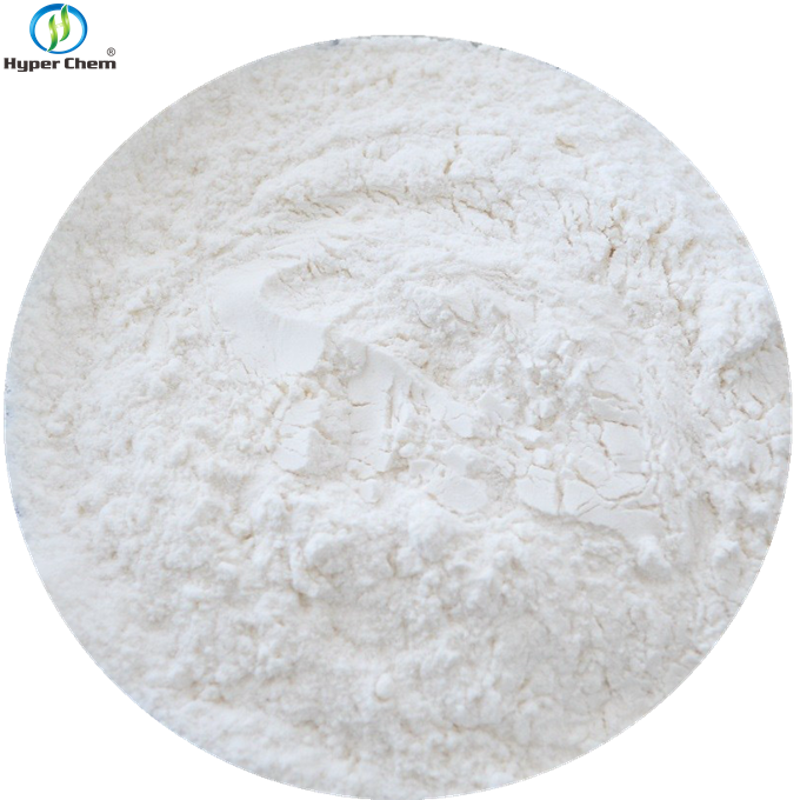
    Solid powder

    Quality Standard

    USP, EP, BP, CP

    Shipping Condition

    Shipped under ambient temperature as non-hazardous chemical. This product is stable enough for a few weeks during ordinary shipping and time spent in Customs.

    Storage Condition

    Dry, dark and at 0 - 4 ℃ for short term (days to weeks) or -20 ℃ for long term (months to years).

    Shelf Life

    >2 years if stored properly

    Sample package

    Aluminium foil bag

    Commercial package

    Aluminium Tin, Fiber drum

    Origin

    China


    Alendronate sodium More Info

    Alendronate sodium is a widely used prescription medication belonging to the class of drugs known as bisphosphonates. It plays a crucial role in managing bone-related disorders by regulating bone metabolism, primarily focusing on inhibiting excessive bone resorption (the process by which old bone tissue is broken down).

    1. Primary Indications

    Alendronate sodium is FDA-approved (and approved by regulatory bodies worldwide) for the treatment and prevention of several conditions, with the following being the most common:


    Osteoporosis in postmenopausal women: The leading use of alendronate. It increases bone mineral density (BMD) in the spine, hips, and other skeletal sites, thereby reducing the risk of fractures (e.g., vertebral, hip, wrist fractures)—a major complication of postmenopausal osteoporosis.

    Osteoporosis in men: Used to treat male osteoporosis, which often arises from age-related testosterone decline, long-term glucocorticoid use, or other underlying causes. It helps restore bone mass and lower fracture risk.

    Glucocorticoid-induced osteoporosis (GIO): Prescribed for patients who require long-term (≥3 months) glucocorticoid therapy (e.g., prednisone) for conditions like asthma, rheumatoid arthritis, or lupus. Glucocorticoids can weaken bones by suppressing bone formation and accelerating bone resorption; alendronate counteracts this effect.

    Paget’s disease of bone: A chronic disorder characterized by abnormal, excessive bone remodeling (both resorption and formation), leading to weak, deformed bones. Alendronate reduces bone turnover, relieves bone pain, and lowers the risk of fractures or other complications (e.g., nerve compression from bone overgrowth).

    2. Mechanism of Action

    The therapeutic effect of alendronate sodium stems from its targeted action on osteoclasts—the cells responsible for breaking down bone tissue:


    Selective binding to bone: After oral administration, alendronate is absorbed into the bloodstream and rapidly binds to the mineralized surface of bone, particularly in areas of active bone resorption (where osteoclasts are most active).

    Inhibition of osteoclast function: When osteoclasts attach to the bone surface to resorb it, they internalize the alendronate-bound bone matrix. Once inside the osteoclasts, alendronate disrupts the activity of enzymes (specifically, farnesyl pyrophosphate synthase) critical for the formation of cell structures called prenylated proteins. These proteins are essential for osteoclast survival, migration, and bone-resorbing activity.

    Reduction of bone turnover: By impairing osteoclast function and promoting their apoptosis (cell death), alendronate slows down bone resorption. This creates a "balance shift" in bone metabolism, allowing osteoblasts (cells that build new bone) to work more effectively, ultimately increasing bone density and strength.

    3. Dosage and Administration

    Alendronate sodium is available in oral tablet form (common strengths: 5 mg, 10 mg, 35 mg, 40 mg, 70 mg) and is typically administered once weekly for most indications (a convenient dosing schedule to improve patient adherence). For Paget’s disease, higher or more frequent dosing may be used initially, followed by maintenance therapy.

    Critical Administration Instructions (to ensure efficacy and reduce side effects):

    Take on an empty stomach: Administer first thing in the morning, at least 30 minutes before consuming any food, beverages (except plain water), or other medications/supplements (e.g., calcium, antacids, vitamins). Food and liquids (other than water) significantly reduce alendronate absorption.

    Take with plain water only: Use a full glass (240 mL) of plain water to swallow the tablet. Avoid mineral water, coffee, tea, juice, or milk, as they can interfere with absorption.

    Maintain an upright position: After taking the tablet, remain standing, sitting upright, or walking for at least 30 minutes. Do not lie down, bend over, or recline during this period. This minimizes the risk of the medication irritating the esophagus (food pipe), which can lead to esophagitis, ulcers, or difficulty swallowing.

    Avoid crushing or chewing: Swallow the tablet whole; crushing or chewing may increase the risk of esophageal irritation.

    4. Potential Side Effects

    Like all medications, alendronate sodium may cause side effects, which can range from mild to severe. Most patients tolerate it well, with mild side effects resolving over time.

    Common Side Effects (usually mild and transient):

    Gastrointestinal: Nausea, diarrhea, constipation, abdominal pain, indigestion, flatulence.

    Musculoskeletal: Muscle aches, joint pain, bone pain (these may occur initially but often improve within weeks to months).

    Other: Headache, dizziness, fatigue.

    Less Common but Serious Side Effects (require immediate medical attention):

    Esophageal reactions: Esophagitis (inflammation of the esophagus), esophageal ulcers, or esophageal strictures (narrowing). Symptoms include difficulty swallowing, pain when swallowing, chest pain, or persistent heartburn.

    Osteonecrosis of the jaw (ONJ): A rare but serious condition where the jawbone loses blood supply and begins to die. Risk factors include invasive dental procedures (e.g., tooth extractions, dental implants), poor oral hygiene, or cancer treatment. Symptoms include persistent jaw pain, swelling, numbness, or exposed bone in the mouth.

    Atypical femur fractures: Rare fractures of the thighbone (femur), often occurring with little or no trauma. Symptoms include new or worsening thigh, hip, or groin pain before the fracture.

    Hypocalcemia (low blood calcium levels): More common in patients with pre-existing low calcium, vitamin D deficiency, or kidney problems. Symptoms include muscle spasms, tingling in the hands/feet, seizures, or irregular heartbeat.

    Allergic reactions: Rash, itching, hives, swelling of the face/lips/tongue/throat, difficulty breathing (seek emergency care if these occur).

    5. Contraindications and Precautions

    Contraindications (Do not use if you have any of the following):

    Hypersensitivity to alendronate sodium or any ingredients in the formulation.

    Esophageal disorders that delay esophageal emptying (e.g., achalasia, esophageal stricture, severe gastroesophageal reflux disease [GERD] with complications).

    Inability to stand or sit upright for at least 30 minutes.

    Severe renal impairment (creatinine clearance <35 mL/min, as the drug is primarily excreted by the kidneys, and impaired renal function increases the risk of toxicity).

    Hypocalcemia (low blood calcium) that is not corrected (alendronate can further lower calcium levels).

    Precautions (Important considerations before or during use):

    Calcium and vitamin D supplementation: Most patients taking alendronate require daily calcium (500–1000 mg) and vitamin D (400–800 IU) supplements—taken at least 2 hours after alendronate (to avoid absorption interference). This prevents hypocalcemia and supports bone health.

    Dental care: Before starting alendronate, maintain good oral hygiene and undergo a dental exam. Avoid invasive dental procedures during treatment if possible; if needed, inform your dentist you are taking a bisphosphonate.

    Renal function monitoring: Regular blood tests to check kidney function may be recommended, especially in elderly patients or those with pre-existing kidney disease.

    Duration of therapy: The optimal length of treatment is typically 3–5 years (for osteoporosis). After this period, doctors may reassess bone density and fracture risk to decide whether to continue, pause, or stop therapy (to balance benefits and potential long-term risks like ONJ or atypical fractures).

    Pregnancy and lactation: Alendronate is not recommended for pregnant or breastfeeding women, as its effects on fetal development or breastfed infants are not well studied.

    6. Drug Interactions

    Certain medications or substances can interact with alendronate, affecting its absorption or increasing the risk of side effects. Key interactions include:

    Calcium supplements, antacids (e.g., aluminum hydroxide, magnesium hydroxide): Significantly reduce alendronate absorption. Take these at least 2 hours after alendronate.

    Oral medications that increase esophageal irritation: Drugs like nonsteroidal anti-inflammatory drugs (NSAIDs, e.g., ibuprofen, naproxen) or aspirin may increase the risk of esophageal damage when taken with alendronate. Use caution and consult a doctor if co-administration is necessary.

    Proton pump inhibitors (PPIs, e.g., omeprazole, lansoprazole): Long-term use of PPIs may reduce stomach acid, which could theoretically affect alendronate absorption (though clinical evidence is mixed). Discuss with your doctor if you take both.

    Certain antibiotics (e.g., tetracyclines, fluoroquinolones): Like alendronate, these bind to calcium and may have reduced absorption if taken together. Separate their administration by at least 2 hours.


    In summary, alendronate sodium is a cornerstone therapy for osteoporosis and Paget’s disease, offering proven benefits in increasing bone density and reducing fractures. However, its effectiveness and safety depend on strict adherence to administration guidelines, regular monitoring, and careful management of potential risks and interactions. Always consult a healthcare provider for personalized advice on its use.


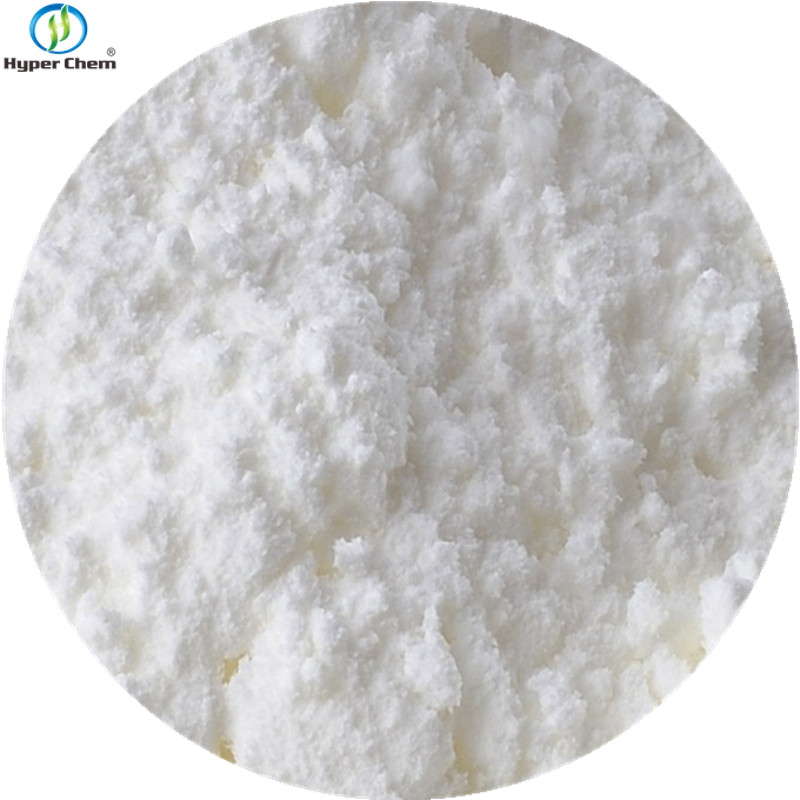
    Shop API Alendronate sodium-Detailed Image 1

    ECHEMI Editorial Reference
    White Crystalline SolidChEBI: A hydride that is the trihydrate of alendronate sodium

    Basic Info
    Product Name:

    Alendronate monosodium trihydrate

    Other Name:

    Phosphonic acid,P,P′-(4-amino-1-hydroxybutylidene)bis-,sodium salt,hydrate (1:1:3);Phosphonic acid,(4-amino-1-hydroxybutylidene)bis-,monosodium salt,trihydrate;Alendronate sodium hydrate;Sodium alendronate hydrate;Alendronate monosodium trihydrate;Alendronic acid monosodium salt trihydrate;Monosodium alendronate trihydrate;Teiroc;1159813-02-1

    CAS No.:

    121268-17-5

    Molecular Formula:

    C4H13NO7P2.3H2O.Na

    InChIKeys:

    InChIKey=PXPDLXULFWKPSB-UHFFFAOYSA-N

    Molecular Weight:

    325.12400

    Exact Mass:

    325.03000

    EC Number:

    601-766-4

    HScode:

    29310095

    Characteristics
    PSA:

    211.45000

    XLogP3:

    -0.32760

    Appearance:

    White Crystalline Solid

    Density:

    1.857g/cm3

    Melting Point:

    252 °C

    Boiling Point:

    616.7ºC at 760 mmHg

    Flash Point:

    326.7ºC

    Water Solubility:

    water, double-distilled: 10 mg/mL soluble in water at 10mg/ml

    Storage Conditions:

    -20ºC

    Hazard Identification

    Classification of the substance or mixture

    Acute toxicity - Category 4, Oral

    GHS label elements, including precautionary statements

    Pictogram(s)

    Signal word

    Warning

    Hazard statement(s)

    H302 Harmful if swallowed

    Precautionary statement(s)
    Prevention

    P264 Wash ... thoroughly after handling.

    P270 Do not eat, drink or smoke when using this product.

    Response

    P301+P317 IF SWALLOWED: Get medical help.

    P330 Rinse mouth.

    Storage

    none

    Disposal

    P501 Dispose of contents/container to an appropriate treatment and disposal facility in accordance with applicable laws and regulations, and product characteristics at time of disposal.

    Other hazards which do not result in classification

    no data available

    Handling and Storage

    Precautions for safe handling

    Handling in a well ventilated place. Wear suitable protective clothing. Avoid contact with skin and eyes. Avoid formation of dust and aerosols. Use non-sparking tools. Prevent fire caused by electrostatic discharge steam.

    Conditions for safe storage, including any incompatibilities

    Store the container tightly closed in a dry, cool and well-ventilated place. Store apart from foodstuff containers or incompatible materials.

  • Seller Information
    Business Type:

    Trader

    Main Products:

    Pharmaceuticals,Peptide,Cosmetics,Nutritional Supplements

    Location:

    Rm. 803, Tower 4, LOFT49 Creative City Pioneer Zone, No.88 Jiru Rd. Gongshu Dist., Hangzhou, 310015 ZJ, China

    Payment Terms:

    TT against copy of documents,D/P,L/C,D/A,O/A,TT against B/L draft before shipment,100% TT in advance

    Average lead Time:

    10 days

    Total Annual Revenue:

    $5 million-$10 million

    Total Employees:

    11-50

    Year of Establishment:

    2013

    Company Certificates
    • Hangzhou Hyper Chemicals LimitedCertification Report by Bureau Veritas Certification Report by Bureau Veritas
    About HyperChem

    Established in 2013, Hyper Chem has exclusive tie-ups with leading manufacturers, supplying raw materials produced in GMP and ISO 9002 certified facilities, and provides high-quality ingredients and raw materials to meet the needs of a diverse range of pharmaceutical cosmetics ingredients and nootropic supplements companies worldwide.

    Our Competitiveness

    One-stop supply

    Wide Range Of products including pharmaceutical, Cosmetic Ingredients and nootropic supplements

    Among all the pharmaceuticals,

    90% of them with GMP certificates,

    85% of them with DMF files and

    50% of them passed FDA approval,

    30% get CEP certificate

    20% are new R&D products.

    Custom Repackaging Service


    We can efficiently repackage your material into sample sizes, custom batch-specific sizes, or semi-bulk package sizes according to your specifications. And ensures the product is packaged in a quality-controlled environment and will maintain its integrity throughout every stage of the process.

    Quality Control/Quality Assurance


    HyperChem is committed to delivering on its promises of top-quality products with verified quality data.

    All materials are vigorously inspected by the factory and/or outsourced analytical laboratories to ensure each and every lot meets or exceeds our reference standards.

    Trade assurance service with 100% payment protection, It is best achieved by delivering products and services 100% right the first time, on time, every time.

    Professional

    Transparent Communication

    Fast Reaction,

    Professional Suggestion

    Beyond Expectation.

    We have exclusive partnerships with research and production facilities across the country and we offer varied pharmaceutical services in the most cost-efficient way. The production facilities are GMP, WHO-GMP, EU GMP and US FDA approved and are backed by strong regulatory support such as Dossier, DMF, Tech Pack and relevant Stability studies for regulatory filings.

  • Country Product Purchase Quantity Date Posted
    Post an enquiry for this product
pic ×

Scan the QR Code to Share

All products displayed on this website are only for non-medical purposes such as industrial applications or scientific research, and cannot be used for clinical diagnosis or treatment of humans or animals. They are not medicinal or edible.

According to relevant laws and regulations and the regulations of this website, units or individuals who purchase hazardous materials should obtain valid qualifications and qualification conditions.

The information shown above is provided by the enterprise itself, and the authenticity, accuracy and legitimacy of the content are the responsibility of the publishing company. ECHEMI does not bear any guarantee responsibility for this. Please be aware that risks in internet transactions objectively exist.

Feedback & Suggestions
Send Message

Thank you for your feedback. If you require further assistance, please contact us by email at info@echemi.com or call us at +86-532-55729510.