Product
Supplier
Encyclopedia
Inquiry
Home > Water Treatment Chemical > Flocculant > Polyaluminum chloride for Sale > Coagulant, Poly Aluminium Chloride, Poly Aluminium Chloride 30%, Flocculant, High-efficiency Precipitant
Coagulant, Poly Aluminium Chloride, Poly Aluminium Chloride 30%, Flocculant, High-efficiency Precipitant buy - large image1
Coagulant, Poly Aluminium Chloride, Poly Aluminium Chloride 30%, Flocculant, High-efficiency Precipitant buy - image1
Coagulant, Poly Aluminium Chloride, Poly Aluminium Chloride 30%, Flocculant, High-efficiency Precipitant buy - image2
Coagulant, Poly Aluminium Chloride, Poly Aluminium Chloride 30%, Flocculant, High-efficiency Precipitant buy - image3
Coagulant, Poly Aluminium Chloride, Poly Aluminium Chloride 30%, Flocculant, High-efficiency Precipitant buy - image4
Coagulant, Poly Aluminium Chloride, Poly Aluminium Chloride 30%, Flocculant, High-efficiency Precipitant buy - image5
Coagulant, Poly Aluminium Chloride, Poly Aluminium Chloride 30%, Flocculant, High-efficiency Precipitant buy - image6

Coagulant, Poly Aluminium Chloride, Poly Aluminium Chloride 30%, Flocculant, High-efficiency Precipitant

316 Inquiries

Unit Price:

$295-368/MT FOB

Get Latest Price
CAS No.:

1327-41-9

Grade:

Industrial Grade

Content:

30%

Port:

Qingdao Port

Brand:

zhencheng

Packaging:

25 kg packed in PE film and woven bag

Price valid (until):

2026-10-15

Company Type:
Manufactory
Location:
China
Qualification:
Main Products:

Polyacrylamide,Polyaluminum Chloride,Poly Ferric Sulfate,Aluminium Sulfate,Activated Carbon / Activated Charcoal,Quartz Sand Filter Media

  • Product Description

  • Seller Information

  • Inquiry History

  • Description


    Detailed Description of Polymeric Aluminum Chloride (PAC) Product

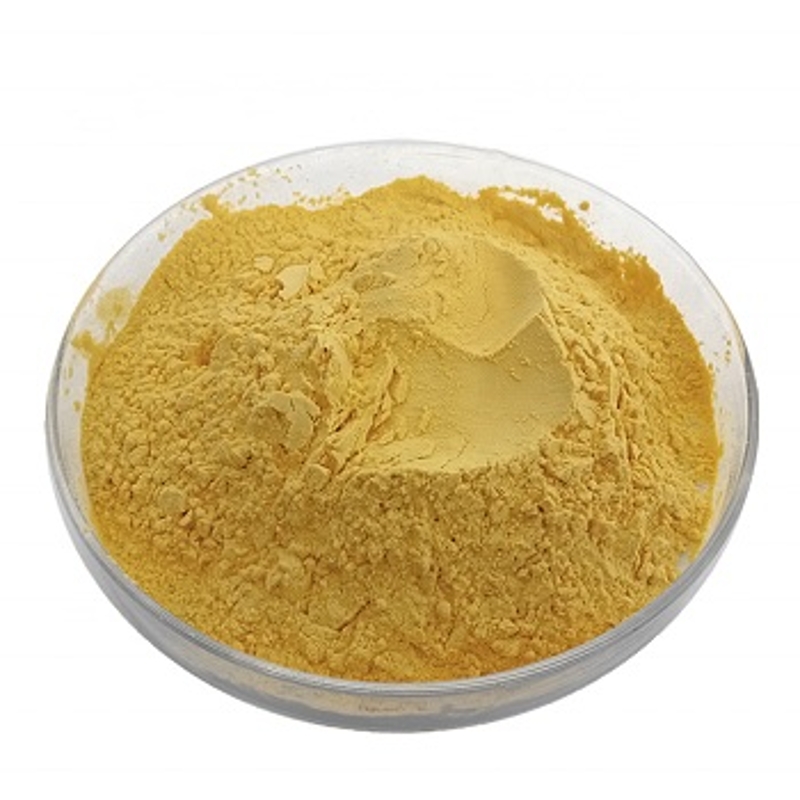
    Polymeric Aluminum Chloride (PAC), is an efficient inorganic polymer flocculant. It appears as light yellow or golden yellow powder/granule, and is easily soluble in water. During the hydrolysis process, it is accompanied by physical and chemical processes such as electrochemistry, coagulation, adsorption and precipitation. It is widely used in water treatment, chemical industry, environmental protection and other fields. With the advantages of high purification efficiency, wide application range and controllable cost, it has become one of the core agents in the water treatment industry at home and abroad. This document details its product uses, core characteristics, specification parameters, quality standards, usage methods and multi-dimensional product display, providing comprehensive references for product selection, use and acceptance.

    Shop Coagulant, Poly Aluminium Chloride, Poly Aluminium Chloride 30%, Flocculant, High-efficiency Precipitant-Detailed Image 1
    Shop Coagulant, Poly Aluminium Chloride, Poly Aluminium Chloride 30%, Flocculant, High-efficiency Precipitant-Detailed Image 2

    1. Core Features of the Product

    The core advantages of Polymeric Aluminum Chloride stem from its unique molecular structure and chemical properties. Compared with traditional flocculants (such as aluminum sulfate and alum), it has the following significant characteristics, which are suitable for the usage needs of different scenarios:
    • High flocculation efficiency: It has a large molecular weight and high degree of polymerization, which can quickly adsorb suspended particles and colloidal substances in water, form large-sized flocs with a fast sedimentation rate. This can significantly shorten the water treatment cycle and improve purification efficiency, and is especially suitable for treating high-turbidity water. Wide range of applicable water qualities: It has strong adaptability to the pH value of raw water, with an applicable range of 5.0~9.0 and an optimal pH value of 6.5~8.5. There is no need to frequently adjust the pH of the water quality. It can treat various water qualities such as tap water, industrial wastewater, municipal sewage, and oily wastewater, including difficult-to-treat water qualities such as low-temperature, low-turbidity, and high chroma.
    • Good purification effect: It can not only effectively remove suspended solids and colloids in water and reduce turbidity, but also adsorb some heavy metal ions (such as lead, arsenic), organic matter, odors and chromaticity. The treated water is clear, meeting the relevant national discharge standards, and drinking water-grade products can ensure that the residual aluminum content meets the standards.
    • Low usage cost: The dosage is small, which can save 30% to 50% of the dosage compared with traditional flocculants. Moreover, it does not need to be combined with too many auxiliary agents, has a fast dissolution rate, and is easy to operate, which can effectively reduce the labor and agent costs of water treatment. High safety: Drinking water-grade products are produced with high-purity raw materials, and the heavy metal content strictly complies with national standards without secondary pollution; although industrial-grade products have slightly higher impurities, they are only used for non-contact wastewater treatment and will not cause additional burdens on the environment. Strong physical stability: Solid products are not easy to absorb moisture (when properly stored). The solution after dissolution has good stability, is not easy to stratify or become invalid, and is convenient for storage and transportation. The storage period of solid products can reach 12 months, and that of liquid products is about 6 months.
    • Shop Coagulant, Poly Aluminium Chloride, Poly Aluminium Chloride 30%, Flocculant, High-efficiency Precipitant-Detailed Image 3

    II. Product Specification Parameters

    Poly aluminum chloride can be divided into drinking water grade and industrial grade according to its uses, and into solid (powder, granule) and liquid according to its forms. The parameters of products with different specifications vary greatly. The specific parameters are as follows (implementing the current national standards, and special specifications can be customized according to customer needs):

    (1) Solid Poly Aluminium Chloride (Powder/Granule)

    Product Grade
    Appearance
    Aluminum oxide (Al₂O₃) content (%)
    Basicity (%)
    Water insoluble matter (%)
    pH value (1% aqueous solution)
    Heavy metal content (ppm) ≤
    Particle size (mesh)
    Industrial grade (drum drying)
    Brownish-yellow/dark yellow powder/granule
    26.0~28.0
    85~90
    ≤2.0
    3.5~5.0
    Arsenic ≤ 1.5, Lead ≤ 3.0 40~80
    Industrial grade (spray drying) Light yellow powder ≥28.0 60~80 ≤1.0 3.5~5.0
    Arsenic ≤ 1.0, Lead ≤ 2.0
    80~120


    (2) Description of Key Parameters

    • Aluminum oxide (Al₂O₃) content: It is the core effective component. The higher the content, the stronger the flocculation effect. The requirements for drinking water grade are higher than those for industrial grade to ensure purification efficiency and safety.

      Basicity: It determines the flocculation capacity and sedimentation speed. The higher the basicity, the faster and larger the flocs form. However, the drinking water grade needs to be controlled within a lower range to reduce the risk of aluminum residue.

      Water-insoluble matter: It is a core indicator of impurity content. The drinking water grade has extremely low requirements to avoid precipitation after dissolution, which affects water quality; the industrial grade can be appropriately relaxed.

      Heavy metal content: The industrial grade is only used in non-contact scenarios, and the limit is relatively loose.

    • III. Product Uses

      Polyaluminum chloride, with its excellent flocculation performance, is widely used in fields such as water treatment, industrial production, and environmental protection. The uses of products of different grades are clearly distinguished, as follows:

      Uses of industrial-grade polyaluminum chloride

      It is mainly used for non-contact water quality treatment and auxiliary industrial production, complying with the standard GB/T 22627-2022 "Water Treatment Agent - Polyaluminum Chloride". It has a high cost-performance ratio and is suitable for high-pollution scenarios: Industrial wastewater treatment: It covers wastewater from industries such as papermaking, printing and dyeing, metallurgy, electroplating, chemical engineering, coal, and mining. It removes suspended solids, chromaticity, heavy metal ions, and part of COD and BOD from wastewater, enabling the wastewater to be discharged or reused after meeting the discharge standards. Municipal sewage treatment: It is used for the pre-treatment and advanced treatment of urban domestic sewage treatment plants, removing turbidity, suspended solids, and organic matter from sewage, reducing the treatment load, and helping sewage meet the discharge standards.
      Oily wastewater treatment: Treating oilfield produced water, oily wastewater from mechanical processing, oily wastewater from catering industry, etc., to quickly separate oil and water, remove emulsified oil and suspended oil in water, and achieve oil-water separation. Industrial production assistance: In the papermaking industry, it is used for pulp sizing, retention and drainage aid, improving paper strength and whiteness; in the printing and dyeing industry, it is used for decolorizing dyeing wastewater and reducing wastewater chromaticity; in the mining industry, it is used for pulp sedimentation and tailings recovery, improving resource utilization efficiency. Other scenarios: Used for swimming pool water purification, landscape water treatment, garbage leachate treatment, etc., to quickly remove impurities in water and improve the water quality environment.
      • Shop Coagulant, Poly Aluminium Chloride, Poly Aluminium Chloride 30%, Flocculant, High-efficiency Precipitant-Detailed Image 4
      • IV. Quality Standards

        The quality of polyaluminum chloride products strictly complies with the current national standards. Different grades of products implement different standards. At the same time, enterprises have established internal quality control systems to ensure the stability of product quality. The specific standard requirements are as follows:
      • Industrial-grade polyaluminum chloride (implementing GB/T 22627-2022)

        • Sensory indicators: Solid products are brown, dark yellow or light yellow powders/granules with no obvious peculiar smell; liquid products are brown or light yellow liquids, with a small amount of precipitation allowed (which can be dissolved after shaking). Physical and chemical indicators: Meet the requirements in the following table (core indicators):
        • Indicator Name
          solid
          Alumina (Al₂O₃) content (%) ≥
          26.0
          Basicity (%)
          30~95
          Water-insoluble substances (%) ≤ 2.0
          pH value (1% aqueous solution)
          3.5~5.0
          Arsenic (As) content (ppm) ≤
          1.5
          Lead (Pb) content (ppm) ≤
          3.0
        • Internal quality control of the enterprise

          To ensure stable product quality, the enterprise has established a full-process quality control system covering raw material procurement, production and processing, and finished product delivery:
          Raw material procurement: Strictly screen raw material suppliers, conduct incoming inspections on raw materials such as aluminum hydroxide, hydrochloric acid, and calcium aluminate powder, and strictly prohibit unqualified raw materials from entering the warehouse.
          Production control: Real-time monitor parameters such as reaction temperature, pressure, and reaction time during the production process to ensure sufficient polymerization reaction and compliance with product indicators; adopt advanced technologies such as spray drying and plate-and-frame filtration to reduce impurity content.
          Finished product inspection: Before leaving the factory, each batch of products undergoes a full range of tests in accordance with national standards. Only products that pass the inspection can leave the factory, and a product quality inspection report is provided.
          Storage control: Finished products are stored in different areas according to grades and specifications. Solid products are stored in well-ventilated, dry, and cool warehouses to avoid moisture and caking; liquid products are stored in sealed containers to prevent volatilization and contamination.


          Shop Coagulant, Poly Aluminium Chloride, Poly Aluminium Chloride 30%, Flocculant, High-efficiency Precipitant-Detailed Image 5
          • V. Multi-dimensional Image Display of Products

            (1) Product Detail Diagram

            • Shop Coagulant, Poly Aluminium Chloride, Poly Aluminium Chloride 30%, Flocculant, High-efficiency Precipitant-Detailed Image 6 Shop Coagulant, Poly Aluminium Chloride, Poly Aluminium Chloride 30%, Flocculant, High-efficiency Precipitant-Detailed Image 7

            (2) Product Packaging Diagram

            • Shop Coagulant, Poly Aluminium Chloride, Poly Aluminium Chloride 30%, Flocculant, High-efficiency Precipitant-Detailed Image 8 Shop Coagulant, Poly Aluminium Chloride, Poly Aluminium Chloride 30%, Flocculant, High-efficiency Precipitant-Detailed Image 9

            (3) Product Usage Scenario Diagram

            • Shop Coagulant, Poly Aluminium Chloride, Poly Aluminium Chloride 30%, Flocculant, High-efficiency Precipitant-Detailed Image 10
            • VI. Usage Methods and Precautions

              (1) Usage Method

              1. Dissolution configuration

              • Solid PAC: Dissolve using clean tap water or soft water, with the water temperature controlled at 5~35℃. The conventional dissolution ratio is 1%~3% (1kg of PAC added to 99~97kg of water); when dissolving, add the chemical while stirring, with a stirring speed of 100~200r/min, stir for 5~10 minutes until completely dissolved, and it can be dosed after standing for a moment. Liquid PAC: It can be used directly or dosed after diluting 2~5 times. During dilution, slow stirring is required to ensure uniform mixing and avoid excessive local concentration. Preparation containers: Use corrosion-resistant containers such as plastic, fiberglass, and ceramics. Iron containers are strictly prohibited to prevent PAC from reacting with iron after hydrolysis, which will affect the efficacy of the agent and corrode the container. 2. Dosing method
              • Dosage: The optimal dosage needs to be determined through small-scale tests. For domestic sewage, the dosage is 10~50mg/L; for industrial wastewater, it is 50~200mg/L. For high-turbidity wastewater, the dosage can be appropriately increased. Avoid excessive dosage, which may cause re-turbidity or exceed the standard for aluminum residue.

                Dosing point: Uniformly add the diluted PAC solution at the front end of the mixing tank or reaction tank to ensure sufficient mixing of the agent with water, and control the mixing time at 1~3 minutes.

                Combined use: For difficult-to-treat water quality, it can be used in conjunction with polyacrylamide (PAM). First, add PAC to form small flocs, then add PAM to enlarge the flocs and improve the flocculation effect. It is strictly prohibited to mix with strong oxidants or strong reducing agents for dosing.

              (2) Precautions

              • Storage requirements: Solid PAC should be stored in a well-ventilated, dry, and cool warehouse, protected from rain, moisture, and direct sunlight. The storage period is 12 months. If caking occurs, it can still be used after crushing and dissolving (with a slight decrease in effectiveness). Liquid PAC should be stored in sealed containers, with the temperature controlled between 0~30℃. Antifreeze measures are required in winter, and the storage period is 6 months. It is recommended to prepare and use it immediately.

                Safety operations: PAC is weakly acidic. When operating, wear rubber gloves, goggles, and masks to avoid direct contact with the skin and respiratory tract. In case of accidental contact with the skin, rinse with plenty of water. If it splashes into the eyes, rinse with water or physiological saline for more than 15 minutes, and seek medical attention if necessary. It is strictly prohibited to be eaten; in case of accidental ingestion, induce vomiting and seek medical attention immediately.

                Water quality adaptation: PAC is suitable for water with a pH value of 5.0~9.0. If the pH value of the raw water is outside this range, thepH value must be adjusted first before adding PAC; otherwise, the flocculation effect will be reduced. The dosage needs to be increased by 20%~30% at low temperatures.

                Sludge disposal: The flocculated sludge generated after treatment must be properly disposed of in accordance with environmental protection requirements to avoid secondary pollution. The diluted PAC solution must be used on the same day, as it is prone to hydrolysis and loss of effectiveness if left for a long time.

              VII. Product Transportation and Storage

              (1) Transportation Requirements

              • Solid PAC: Packed in woven bags or ton bags. During transportation, prevent packaging damage, moisture, and extrusion. It can be transported by ordinary trucks. Avoid mixing transportation with strong acids, strong alkalis, and oxidants.

              (2) Storage Requirements

              • Solid PAC: Store in a well-ventilated, dry, and cool warehouse, away from fire sources and heat sources. Avoid moisture and exposure to sunlight. The stacking height should not exceed 10 layers to prevent crushing and caking. Store separately from strong acids, strong alkalis, and oxidants, with a distance of not less than 1 meter.

              VIII. Frequently Asked Questions

              • Q1: What are the reasons for the different colors of polyaluminum chloride? A1: The color difference is mainly determined by the raw materials and production processes. Industrial-grade products use calcium aluminate powder, bauxite and the drum drying process, and are brown or dark yellow. The color does not affect the core performance of the product; it only represents differences in purity and usage.
              • Q2: Can drinking water-grade and industrial-grade PAC be mixed? A2: Mixing is strictly prohibited. Drinking water-grade PAC has low heavy metal content and high purity, and can be used in scenarios involving human contact; industrial-grade PAC has high impurity and heavy metal content and is only used for non-contact wastewater treatment. Mixing them will result in substandard drinking water safety or affect the effectiveness of industrial wastewater treatment.
              • Q3: What should I do if precipitation occurs after dissolving PAC? A3: If a small amount of precipitation occurs after dissolution, it may be due to insufficient dissolution ratio or inadequate stirring. You can continue stirring until it is completely dissolved; if there is a large amount of precipitation, it may be because the water insoluble matter of the product exceeds the standard or the product has become caked due to moisture during storage. In such cases, it is necessary to replace it with a qualified product.
              • Q4: How to judge the quality of PAC products? A4: The core is to check whether the content of aluminum oxide, basicity, water insoluble matter and heavy metal content meet the corresponding national standards; in terms of appearance, the solid should be free of agglomeration and impurities, and the liquid should have no obvious precipitation; during use, it should have fast flocculation speed, large flocs, good sedimentation effect, and no secondary pollution. The detailed description of this product covers the core information of polyaluminum chloride, with comprehensive picture displays, which can serve as an important reference for product selection, use, and acceptance. For more customized specifications or usage details, further consultation is available.

    Basic Info
    Product Name:

    Polyaluminum chloride

    Other Name:

    Aluminum chloride,basic;Aluminum chloride hydroxide;Aluminum chlorhydroxide;Aluminum hydroxychloride;Aluminum hydroxide chloride;Aluminium hydroxychloride;Aloxicoll;Aluminum chlorohydrol;Aluminum chlorhydrate;WAC;OCAL;Aluminum chlorohydrate;Aluminum oxychloride;Aluminum chloride oxide;Astringen;Chlorhydrol;Wickenol 303;Cawood 5025;Basic aluminum chloride;Aluminum chloride hydroxide oxide,basic;Poly(aluminum hydroxy) chloride;Hydrofugal;Basic aluminum chloride,hydrate;WAC 2;PAC (salt);PAC;HPB 5025;PALC;Sulzfloc JG 19;Sulzfloc JG 30;Sulzfloc JG 15;Sulzfloc JG;Paho 2S;Prodefloc SAB 19;Astringen 10;Prodefloc SAB 18;Prodefloc SAB 18/5;PAC 250A;Wickenol CPS 325;Takibine;Aluminol ACH;Prodefloc AC 190;TR 50;Locron P;Locron;Prodefloc AL;PAX 60p;PAX 11S;PAX 19;Reach 101;Locron S;Hydral;Kempac 20;Polyaluminum chloride;PAC 300M;Tanwhite;Kemwater PAX 14;UPAX 20;Kempac 10;Phacsize;Vikram PAC-AC 100S;PAC 250AD;Nalco 8676;Chlorhydrol Micro-Dry;Chlorhydrol Micro-Dry SUF;ACH 325;ACH 7-321;Reach 301;ACH 331;Reach 501;TR 50 (inorganic compound);Banoltan White;Oulupac 180;Takibine 3000;PAX;Purachem WT;Cartafix LA;Berukotan AC-P;Aquarhone 18;Westchlor 200;E 200 (coagulant);Hessidrex WT;E 200;PAX-XL 60S;PAX-XL 61S;Hyper Ion 1026;GenPac 4370;PAX-XL 69;PAX 16;PAX-XL 1;PAX-XL 19;PAC 100W;PAX 18;Aluminum chlorohydroxide;Phosphonorm;Hyperdrol;Aquarhone;PAX-XL 9;Ekoflock 90;Ekoflock 91;Gilufloc 83;Taipac;8012-66-6;11097-68-0;32056-15-8;37226-46-3;39380-80-8;56803-01-1;56831-66-4;64441-77-6;79586-02-0;84861-98-3;101707-17-9;114442-10-3;135864-70-9;143230-54-0;144388-28-3;162535-15-1;167140-05-8;245064-40-8;672263-85-3;745062-58-2;808739-25-5;851541-97-4;929897-91-6;929897-93-8;929898-03-3;929898-04-4;1123762-30-0;1709832-51-8

    CAS No.:

    1327-41-9

    Molecular Weight:

    79.44

    EC Number:

    215-477-2

    Categories:

    Flocculant

    Characteristics
    PSA:

    20.23000

    XLogP3:

    0.62520

    Appearance:

    often supplied as a suspension or solution in water

    Hazard Identification

    Classification of the substance or mixture

    Corrosive to metals, Category 1

    Serious eye damage, Category 1

    GHS label elements, including precautionary statements

    Pictogram(s)

    Signal word

    Danger

    Hazard statement(s)

    H290 May be corrosive to metals

    H318 Causes serious eye damage

    Precautionary statement(s)
    Prevention

    P234 Keep only in original packaging.

    P280 Wear protective gloves/protective clothing/eye protection/face protection/hearing protection/...

    Response

    P390 Absorb spillage to prevent material damage.

    P305+P354+P338 IF IN EYES: Immediately rinse with water for several minutes. Remove contact lenses, if present and easy to do. Continue rinsing.

    P317 Get medical help.

    Storage

    P406 Store in a corrosion resistant/...container with a resistant inner liner.

    Disposal

    none

    Other hazards which do not result in classification

    no data available

    Handling and Storage

    Precautions for safe handling

    Handling in a well ventilated place. Wear suitable protective clothing. Avoid contact with skin and eyes. Avoid formation of dust and aerosols. Use non-sparking tools. Prevent fire caused by electrostatic discharge steam.

    Conditions for safe storage, including any incompatibilities

    Store the container tightly closed in a dry, cool and well-ventilated place. Store apart from foodstuff containers or incompatible materials.

  • Seller Information
    Business Type:

    Manufactory

    Main Products:

    Polyacrylamide,Polyaluminum Chloride,Poly Ferric Sulfate,Aluminium Sulfate,Activated Carbon / Activated Charcoal,Quartz Sand Filter Media

    Location:

    No. 162, Shuanghe Village, Jiajinkou Town, Gongyi City

    Payment Terms:

    TT against copy of documents,D/P,L/C,100% TT in advance

    Year of Establishment:

    2014

    Certifications:

    trademark,Business License

    Henan Zhencheng Environmental Protection Technology Co., Ltd., founded in 2000, focuses on deep cultivation in the environmental protection field. It is mainly engaged in the whole-process services of production, sales, inspection, analysis and on-site commissioning of water treatment chemicals, water purifiers, activated carbon, filter media and fillers, and is committed to providing professional and efficient water treatment solutions for various industries.
    The company's main products cover multiple series, including:
    • Polyacrylamide (PAM)
    • Polyaluminum Chloride (PAC)
    • Poly Aluminum Ferric Chloride
    • Poly Ferric Sulfate (PFS)
    • Ferrous Sulfate
    • Activated Carbon
    • Filter Media
    • Fillers, etc.
    The company always adheres to the bottom line of quality. Its products strictly implement relevant national and industry standards, and adopt advanced production processes and testing equipment to ensure that each batch of products meets quality requirements. With stable and reliable product quality, the company's products are widely used in many core fields such as papermaking, printing and dyeing, sewage treatment, chemical industry, coal gas, metallurgy, urban construction and environmental protection, providing strong support for water purification and environmental governance in various industries.
    Over the years, the company has deeply cultivated the market and pursued innovation. Its products are sold to many countries and regions at home and abroad. With high-quality products and considerate services, it has won high praise and wide trust from global users, and its brand popularity and industry influence have steadily improved.
    Upholding the philosophy of "equality and mutual benefit, friendly cooperation and win-win development", Henan Zhencheng Environmental Protection Technology Co., Ltd. is willing to make acquaintances with friends from all walks of life at home and abroad, carry out comprehensive and in-depth cooperation in environmental protection engineering project construction, technical exchange, product promotion and other aspects, work together to purify water quality, protect the ecological environment, and build a beautiful home where man and nature live in harmony.
  • Inquiry History
    316 Inquiries
    Country Product Purchase Quantity Date Posted
    South Africa

    Polyaluminium Chloride

    1.00 MT Sep 25, 2024
    Bangladesh

    CHLORIDE PAC

    1 20' Fcl May 12, 2026
    United Kingdom

    PAC

    1 KG Feb 11, 2026
    Qatar

    Polyaluminium Chloride

    1.00 KG Dec 12, 2025
    Oman

    Polyaluminium Chloride

    1.00 MT Sep 3, 2024
    Bangladesh

    POLYALUMINIUM CHLORIDE PAC

    1.00 20' Fcl Jun 10, 2026
    Malaysia

    Polyaluminium Chloride

    2.00 20' Fcl Jan 6, 2026
    India

    Polyaluminium Chloride

    20.00 MT Feb 19, 2024
    Malaysia

    POLYALUMINIUM CHLORIDE PAC

    1.00 KG Apr 30, 2026
    Oman

    Polyaluminium Chloride

    1.00 MT Sep 4, 2024
    South Africa

    Aluminum Chlorohydrate

    10.00 TON Jul 19, 2024
    India

    Polyaluminium chloride

    1.00 20' Fcl Oct 20, 2023
    India

    Polyaluminium Chloride

    25.00 MT Feb 20, 2024
    India

    Polyaluminium chloride

    500.00 MT Sep 13, 2023
    India

    Polyaluminium chloride

    1.00 20' Fcl Oct 9, 2023
    India

    Acid Sulfuric

    21.00 TON Sep 22, 2023
    India

    Polyaluminium chloride

    100.00 MT Sep 22, 2023
    India

    Poly Aluminium Chloride

    100 MT Sep 21, 2023
    India

    Polyaluminium Chloride

    15.00 MT Feb 7, 2024
    India

    Polyaluminium chloride

    1.00 20' Fcl Sep 5, 2023
    Post an enquiry for this product
pic ×

Scan the QR Code to Share

All products displayed on this website are only for non-medical purposes such as industrial applications or scientific research, and cannot be used for clinical diagnosis or treatment of humans or animals. They are not medicinal or edible.

According to relevant laws and regulations and the regulations of this website, units or individuals who purchase hazardous materials should obtain valid qualifications and qualification conditions.

The information shown above is provided by the enterprise itself, and the authenticity, accuracy and legitimacy of the content are the responsibility of the publishing company. ECHEMI does not bear any guarantee responsibility for this. Please be aware that risks in internet transactions objectively exist.

Feedback & Suggestions
Send Message

Thank you for your feedback. If you require further assistance, please contact us by email at info@echemi.com or call us at +86-532-55729510.