Product
Supplier
Encyclopedia
Inquiry
Home > Specialty Chemicals > α-D-Glucose monohydrate for Sale > Industrial-grade glucose (monohydrate glucose, CAS No.: 14431-43-7; anhydrous glucose, CAS No.: 50-99-7), carbon source supplement, biodegradant
Industrial-grade glucose (monohydrate glucose, CAS No.: 14431-43-7; anhydrous glucose, CAS No.: 50-99-7), carbon source supplement, biodegradant buy - large image1
Industrial-grade glucose (monohydrate glucose, CAS No.: 14431-43-7; anhydrous glucose, CAS No.: 50-99-7), carbon source supplement, biodegradant buy - image1
Industrial-grade glucose (monohydrate glucose, CAS No.: 14431-43-7; anhydrous glucose, CAS No.: 50-99-7), carbon source supplement, biodegradant buy - image2
Industrial-grade glucose (monohydrate glucose, CAS No.: 14431-43-7; anhydrous glucose, CAS No.: 50-99-7), carbon source supplement, biodegradant buy - image3
Industrial-grade glucose (monohydrate glucose, CAS No.: 14431-43-7; anhydrous glucose, CAS No.: 50-99-7), carbon source supplement, biodegradant buy - image4
Industrial-grade glucose (monohydrate glucose, CAS No.: 14431-43-7; anhydrous glucose, CAS No.: 50-99-7), carbon source supplement, biodegradant buy - image5
Industrial-grade glucose (monohydrate glucose, CAS No.: 14431-43-7; anhydrous glucose, CAS No.: 50-99-7), carbon source supplement, biodegradant buy - image6

Industrial-grade glucose (monohydrate glucose, CAS No.: 14431-43-7; anhydrous glucose, CAS No.: 50-99-7), carbon source supplement, biodegradant

19 Inquiries

Unit Price:

$662-809/MT FOB

Get Latest Price
CAS No.:

14431-43-7

Grade:

Industrial Grade

Content:

99%

Port:

Qingdao Port

Brand:

zhencheng

Packaging:

25 kg packed in PE film and woven bag

Price valid (until):

2026-06-30

This product has been removed from the shop temporarily..
Company Type:
Manufactory
Location:
China
Qualification:
Main Products:

Polyacrylamide,Polyaluminum Chloride,Poly Ferric Sulfate,Aluminium Sulfate,Activated Carbon / Activated Charcoal,Quartz Sand Filter Media

  • Product Description

  • Seller Information

  • Inquiry History

  • Description

    Comprehensive and Detailed Description of Industrial-grade Glucose Products in All Dimensions

    1. Core Product Characteristics and Physicochemical Properties of Industrial-grade Glucose

    1.1 Basic Properties of the Product

    Industrial-grade glucose is mainly divided into two categories: monohydrate industrial glucose (containing 1 molecule of crystal water, molecular formula C₆H₁₂O₆·H₂O) and anhydrous industrial glucose. The mainstream in the market is monohydrate industrial glucose, which has a higher cost performance and is suitable for most industrial scenarios; anhydrous industrial glucose has extremely low moisture content and is suitable for special industrial synthesis scenarios sensitive to moisture content. Both are white or off-white crystalline powders/granules with no obvious odor, a slightly sweet taste, and their aqueous solutions are neutral to slightly acidic. They have strong reducibility and biodegradability, are not dangerous chemicals, are safe and convenient to store and transport, and are environmentally friendly industrial auxiliaries.

    1.2 Core Physicochemical Characteristics

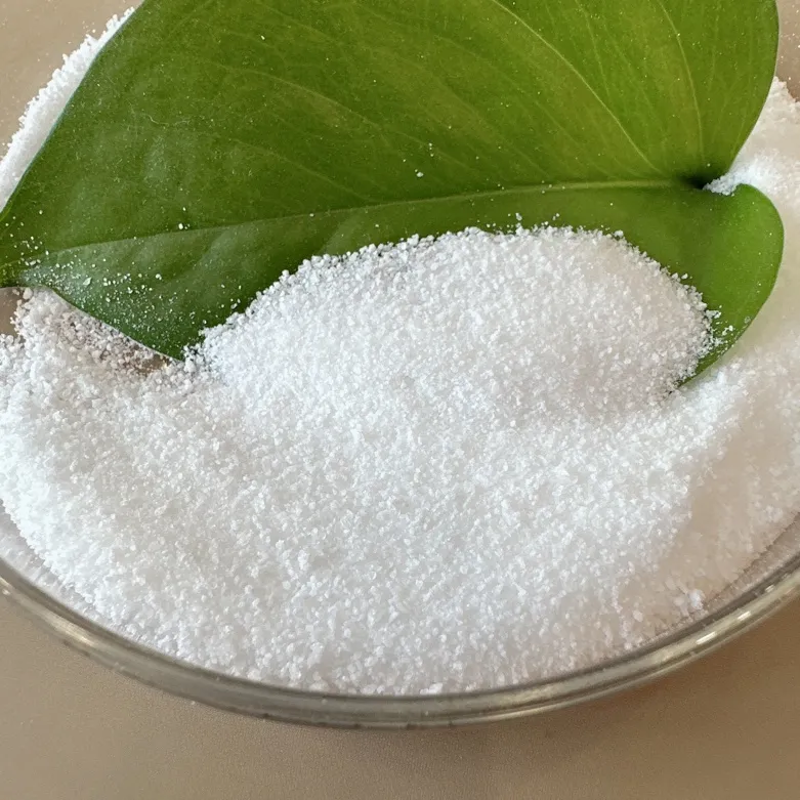
    • Appearance properties: white or off-white crystalline granules/powder, with uniform color, no visible mechanical impurities, agglomerates, mildew, or foreign matter to the naked eye; granular type has good fluidity without adhesion or caking; powder type has moderate fineness and good dispersibility, which is convenient for industrial feeding and transportation, and is not easy to deteriorate when stored in a dry place for a long time.

    • Solubility: It is extremely soluble in water, can dissolve quickly in cold water, and dissolves even faster in hot water. It is slightly soluble in ethanol and insoluble in organic solvents such as ether, chloroform, and benzene. A 10% aqueous solution is clear and transparent, with no turbidity or precipitation, and no residues after dissolution. It can be directly added to water bodies or reaction systems without additional filtration.

    • Carbon source performance: It has a high content of effective carbon sources and meets the standard for organic matter purity. It can be quickly absorbed and utilized by microorganisms in sewage treatment and fermentation industries. As a high-quality carbon source for the growth and reproduction of microorganisms, it rapidly enhances the activity and quantity of microorganisms, accelerates the process of biochemical reactions, and has a stable and long-lasting carbon supplementation effect.

    • Reducibility and stability: It has good chemical reducibility and contains aldehyde groups in its molecules, which can participate in industrial reactions such as oxidation, reduction, and complexation; it has stable chemical properties in a dry environment at room temperature, is not easy to weather or decompose, and has moderate resistance to high and low temperatures. There are no harmful decomposition products at high temperatures, and it absorbs a small amount of moisture in a humid environment, which does not affect its core performance.

    • Biodegradability: It is completely biodegradable, and the degradation products are carbon dioxide and water. There are no residues or toxic and harmful substances, and it will not cause secondary pollution to water bodies and soil. It meets the requirements of industrial environmental protection production and is suitable for industrial scenarios with strict environmental protection control.

    • Chelating and retarding properties: It has a certain ability to chelate metal ions, and can complex metal ions such as calcium, magnesium, and iron in water. At the same time, it exerts an excellent retarding effect in concrete engineering, slows down the hydration rate of cement, improves the construction performance of concrete, and has wide functional adaptability.


    • 1.3 Comparison of Core Differences Between Monohydrate and Anhydrous Industrial Glucose
    Comparison Items Monohydrate industrial glucose Anhydrous Industrial Glucose
    Content of crystal water Contains 1 molecule of crystal water, with a moisture content ≤10.0% No crystal water, moisture content ≤1.5%
    Effective glucose content (dry basis)
    ≥98.0%
    ≥99.0%
    Solubility Quickly soluble in cold water, with a fast dissolution rate The dissolution rate is extremely fast, with no residual crystal water
    Core industrial adaptation scenarios Sewage treatment, fermentation carbon source, concrete retardation, conventional chemical synthesis Precision chemical synthesis, electroplating auxiliaries, industrial reactions sensitive to moisture
    Storage requirements Regular drying and ventilation, and moisture prevention are sufficient Strictly seal to prevent moisture, and avoid moisture absorption and caking
    cost performance Extremely high, the first choice for mainstream industries Relatively high, for special scenarios only

    II. Specifications and Parameters of Industrial-grade Glucose

    Industrial-grade glucose is available in two regular specifications: granular and powdered. The packaging specifications are suitable for industrial bulk purchasing and transportation needs. The core particle size, physical and chemical properties, and packaging parameters are all customized according to the actual operation of industrial production. The specific parameters are as follows:

    2.1 Appearance and Particle Size Specifications

    • Crystalline granular type: White irregular crystalline particles with a particle size of 2-6mm, excellent fluidity, no dust flying, suitable for mechanical automatic feeding, bulk transportation, and direct feeding into large reaction pools; not easy to block the feeding pipeline, suitable for large-scale use in sewage treatment plants and large chemical plants.

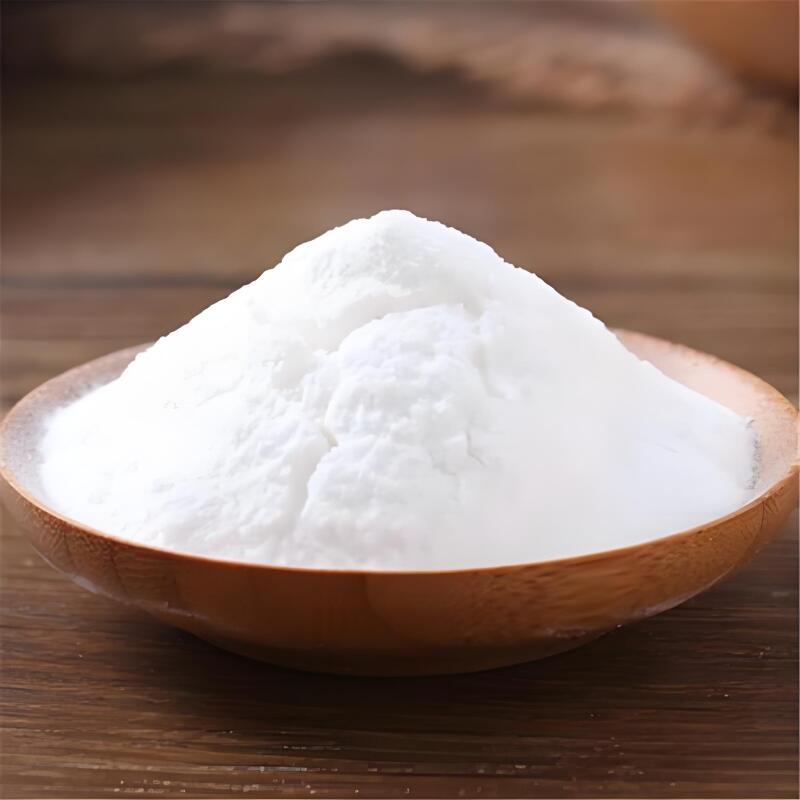
    • Powder type: White fine powder, fineness ≥ 60 mesh, faster solubility, uniform dispersion, suitable for small chemical reactions, liquid preparation, and manual precise feeding scenarios. 80-mesh ultra-fine powder can be customized according to customer needs, suitable for fine chemical production.
    • Shop Industrial-grade glucose (monohydrate glucose, CAS No.: 14431-43-7; anhydrous glucose, CAS No.: 50-99-7), carbon source supplement, biodegradant-Detailed Image 1 Shop Industrial-grade glucose (monohydrate glucose, CAS No.: 14431-43-7; anhydrous glucose, CAS No.: 50-99-7), carbon source supplement, biodegradant-Detailed Image 2

    2.2 Industrial-grade Exclusive Core Technical Parameters

    Testing Items Standard indicators for industrial-grade monohydrate glucose Standard indicators for industrial-grade anhydrous glucose Detection method
    Glucose content (on dry basis), %
    ≥98.0
    ≥99.0
    Fehling titration method
    Moisture, %
    ≤10.0
    ≤1.5
    Loss on drying method
    pH value (10% aqueous solution)
    4.0-7.5
    4.0-7.0
    Determination by acidity meter
    Sulfate (calculated as SO₄²⁻), ppm
    ≤400
    ≤300
    Turbidimetric method
    Chloride (calculated as Cl⁻), ppm
    ≤300
    ≤200
    Turbidimetric method
    Arsenic (As),ppm
    ≤2.0
    ≤1.5
    Atomic fluorescence method
    Lead (Pb),ppm
    ≤1.0
    ≤0.8
    Atomic absorption method
    Ignition residue,%
    ≤0.3
    ≤0.2
    High-temperature ignition method
    Water-insoluble substances,%
    ≤0.2
    ≤0.1
    Filtration weighing method
    Clarity of aqueous solution Qualified, no obvious turbidity Qualified, clear and transparent Visual turbidimetric method

    2.3 Industrial Special Packaging Specification Parameters

    • Regular industrial large packaging: 25kg/bag, with an inner layer of thickened polyethylene (PE) sealed bag, heat-sealed for moisture and leakage prevention, and an outer layer of polypropylene (PP) coated woven bag, which is wear-resistant, impact-resistant, and has strong load-bearing capacity. It is suitable for industrial bulk procurement, warehouse stacking, and long-distance logistics transportation. The bag body is printed with clear industrial product labels.

    • Bulk container bags/ton bags: 500kg/1000kg specifications, made of high-strength and wear-resistant ton bags, suitable for large-scale procurement by large sewage treatment plants, chemical plants, and concrete mixing stations. They can be loaded and unloaded by mechanical forklifts, significantly reducing labor and logistics costs, and are suitable for bulk continuous feeding.

    • Customized industrial packaging:50kg kraft paper bags and sealed plastic drum packaging can be customized according to requirements, meeting the moisture-proof needs of special chemical storage and export shipping. They can be printed with information such as company logos, product batch numbers, and execution standards, suitable for foreign trade and customized industrial orders.

    • Shop Industrial-grade glucose (monohydrate glucose, CAS No.: 14431-43-7; anhydrous glucose, CAS No.: 50-99-7), carbon source supplement, biodegradant-Detailed Image 3 Shop Industrial-grade glucose (monohydrate glucose, CAS No.: 14431-43-7; anhydrous glucose, CAS No.: 50-99-7), carbon source supplement, biodegradant-Detailed Image 4

    III. Quality Standards and Implementation Specifications for Industrial-grade Glucose

    3.1 Authoritative Implementation Standards

    Industrial-grade glucose strictly adheres to national and industrial quality standards for industrial products. Quality is controlled throughout the entire industrial production process. It does not apply to national standards for food and pharmaceutical grades. The core implementation specifications are as follows:

    • National Recommended Standards: GB/T 20880-2017 "Feed-grade Glucose" industrial equivalent standard, GB/T 8269-2006 Citric Acid Industry By-product Standard (General Specification for Industrial Carbohydrates)

    • Enterprise internal control premium product standards: Higher than the industry's general industrial-grade indicators, optimizing carbon source content and impurity limits for core scenarios such as sewage treatment and concrete retarding to ensure that the products meet industrial practical operation needs

    • Environmental compliance requirements: comply with environmental protection standards for industrial wastewater treatment agents and environmental protection specifications for chemical auxiliaries, contain no toxic or harmful components, leave no residues after degradation, and meet local environmental protection control requirements

    3.2 Industrial-grade Quality Grade Judgment Rules

    • Industrial premium product: Glucose content ≥ 98.5%, impurity limits lower than standard indicators, water-insoluble substances ≤ 0.15%, aqueous solution is clear, no caking, no impurities, suitable for high-standard industrial scenarios such as sewage treatment, high-end fermentation, and precision chemical industry.

    • Industrial qualified product: Glucose content ≥ 98.0%, all indicators fully meet industrial-grade standards, no mechanical impurities, dissolution performance up to standard, suitable for general industrial scenarios such as conventional concrete retarding, ordinary chemical synthesis, agricultural and forestry auxiliaries, etc.

    • Judgment of unqualified products: Products with substandard content, excessive impurities, severe caking and mildew, or excessive water-insoluble substances are all judged as unqualified products. They are strictly prohibited from being put into industrial use to avoid affecting the production process and product effectiveness.

    3.3 Factory Inspection and Acceptance Specifications

    Before leaving the factory, each batch of industrial-grade glucose must undergo testing of core indicators. The inspection items include glucose content, moisture, pH value, water-insoluble substances, and appearance properties. Only after passing these tests can an industrial product quality inspection report be issued. During customer acceptance, customers can re-inspect the core indicators against the standards, with a focus on checking whether the appearance is caked, whether there are impurities, and whether the dissolution is clear. If there is packaging damage, product moisture and deterioration, or non-compliant indicators, returns or exchanges can be processed. Industrial-grade products do not test for food-grade microbial indicators; they only control the limits of industrial mechanical impurities and harmful heavy metals, which is in line with the logic of industrial production acceptance.

    3.4 Industrial-grade Sensory Quality Standards

    • Appearance: White or off-white crystalline granules/powder, no obvious color difference, no mechanical impurities such as sediment, rust, fibers, etc., no large-area caking or mildew phenomenon

    • Odor: No pungent chemical odor, musty smell, or putrid odor, only a slight faint sweet smell

    • Solubility: When put into water, it disperses and dissolves quickly, with no precipitation, no floating residues, and no obvious turbidity in the aqueous solution.

    • Hand feel: Granular type is dry without sticking, powder type is loose without caking, no greasiness or dampness.
    • IV. Core Applications of Industrial-grade Glucose in All Scenarios

      Industrial-grade glucose, with its multiple properties such as high-quality carbon source, retarding, chelating, and reducing capabilities, is applied across various industrial fields. It is an industrial basic auxiliary agent with extremely high cost performance. The core industrial scenarios are subdivided as follows:

      4.1 Sewage Treatment Field (The Most Core Application Scenario)

      Industrial-grade glucose, as a special carbon source supplement for sewage biochemical treatment, is its most important application. It is widely used in domestic sewage plants and the treatment of industrial wastewater (printing and dyeing, chemical, papermaking, and food wastewater).

      • To address the issues of insufficient carbon sources and imbalanced C/N ratio in sewage biochemical systems, it can quickly supplement organic carbon sources, provide adequate nutrients for denitrifying bacteria and nitrifying bacteria in anaerobic tanks, anoxic tanks, and aerobic tanks, accelerate the reproduction and metabolism of microorganisms, significantly improve the removal efficiency of ammonia nitrogen, COD, and total nitrogen, and solve the problem of excessive total nitrogen in sewage effluent.

      • It replaces traditional carbon sources such as methanol and sodium acetate, with higher safety, no risk of flammability and explosion, lower cost, high biological utilization rate, no secondary pollution, and is suitable for various AO, A²O, and MBR sewage treatment processes.

      • It is used in the start-up, commissioning, and restart stages of sewage biochemical systems to quickly cultivate activated sludge, enhance sludge activity and concentration, shorten the system commissioning cycle, and ensure the stable operation of sewage treatment systems

      • Shop Industrial-grade glucose (monohydrate glucose, CAS No.: 14431-43-7; anhydrous glucose, CAS No.: 50-99-7), carbon source supplement, biodegradant-Detailed Image 5

      4.2 Field of Concrete Admixtures

      As a special retarder and air-entraining additive for concrete, it is widely used in commercial concrete, pumped concrete, concrete for high-temperature construction, and concrete for large-scale water conservancy projects.

      • Slow down the hydration reaction rate of cement, prolong the initial and final setting time of concrete, avoid problems such as cracking and excessive loss of slump caused by the rapid setting of concrete in high-temperature environments, improve the plasticity of concrete construction, and adapt to long-distance pumping and pouring of large components

      • Improve the workability and fluidity of concrete, reduce internal pores in concrete, enhance the compactness and later strength of concrete, while reducing the dosage of water-reducing agents and improving the comprehensive performance of concrete

      • Green and environmentally friendly, with no corrosive components, it will not cause rusting to steel bars, and is suitable for concrete construction in various buildings, bridges, tunnels, and water conservancy projects.

      4.3 Microbial Fermentation Industry

      As a special basic carbon source for industrial fermentation, it provides energy and nutrients for microbial fermentation and is widely used in the production of antibiotics, enzyme preparations, probiotics, organic fertilizer fermentation, and biological fertilizer production.

      • It can replace part of sucrose and starch, serving as a high-quality carbon source for industrial microorganisms such as yeast, lactic acid bacteria, and bacillus. It features high fermentation efficiency, large bacterial yield, and reduces the cost of fermentation raw materials.

      • Used in the fermentation of bio-organic fertilizers and compound microbial fertilizers, it accelerates the decomposition speed of organic fertilizers, increases the content of beneficial bacteria in fertilizers, improves soil fertility, and is suitable for the production of fertilizers for agricultural and forestry planting

      • Shop Industrial-grade glucose (monohydrate glucose, CAS No.: 14431-43-7; anhydrous glucose, CAS No.: 50-99-7), carbon source supplement, biodegradant-Detailed Image 6

      4.4 Chemical Synthesis and Electroplating Industry

      • As an intermediate in chemical synthesis, it is used in the production of chemical products such as sodium gluconate, calcium gluconate, and sorbitol, and serves as a basic raw material in fine chemicals and organic synthesis.

      • In the electroplating industry, it is used as an additive in electroplating solutions. Utilizing its reducing and chelating properties, it complexes metal ions in the electroplating solution, improves the uniformity, gloss, and adhesion of the electroplating layer, enhances the effect of the electroplating process, and prevents the precipitation of metal ions.

      • Used as an industrial cleaning aid, it is used in conjunction with other cleaning agents to soften water quality, chelate calcium and magnesium ions in water, enhance cleaning effects, and is suitable for cleaning industrial equipment and pipelines

      • Shop Industrial-grade glucose (monohydrate glucose, CAS No.: 14431-43-7; anhydrous glucose, CAS No.: 50-99-7), carbon source supplement, biodegradant-Detailed Image 7

      4.5 Textile Dyeing and Printing and Other Industrial Scenarios

      • In the textile dyeing and printing industry, it is used as a dyeing and printing auxiliary. It adjusts the pH value of the dyeing and printing solution, improves the dye uptake rate and levelness of the dye, enhances the color of fabrics, and reduces problems such as dyeing spots and color differences.

      • In agriculture and forestry, it is used as a crop nutrient solution and an auxiliary material for seedling rooting agents. It supplements plants with carbon nutrients, promotes the growth of crop root systems, enhances plant stress resistance, and is used in the maintenance of flowers, seedlings, and cash crops.

      • It is used in industrial circulating water treatment as an auxiliary material for water quality stabilizers, inhibiting the formation of scale, protecting circulating water pipelines and equipment, and extending the service life of the equipment.

      • Shop Industrial-grade glucose (monohydrate glucose, CAS No.: 14431-43-7; anhydrous glucose, CAS No.: 50-99-7), carbon source supplement, biodegradant-Detailed Image 8

        V. Specifications for Packaging, Transportation and Storage of Industrial-grade Glucose

        5.1 Industrial Packaging Specifications

        Industrial-grade moisture-proof packaging is adopted. The inner layer is a thickened PE sealed bag with a double-layer heat-sealed closure to prevent moisture and material leakage; the outer layer is a high-strength PP film-coated woven bag or industrial ton bag, which is pressure-resistant and wear-resistant, suitable for long-distance transportation and stacking. The words "Industrial Grade Only" are clearly marked on the outside of the packaging. It is strictly prohibited to be mixed with food and pharmaceutical-grade products, and prohibited to be packaged together with toxic, harmful, corrosive, and odorous chemical raw materials.

        5.2 Industrial Transportation Specifications

        This product is not a dangerous chemical and can be transported via regular industrial logistics such as road, railway, and sea transportation. During transportation, it is necessary to protect it from rain, moisture, sunlight, and extreme heat. The transport carriage must be kept dry, clean, and well-ventilated. It is strictly prohibited to transport this product together with strong acids, strong alkalis, and toxic or harmful chemical products. During loading and unloading, handle with care; do not throw or squeeze the product to avoid damage to the packaging bags, which may cause the product to get damp or spill. This is to ensure the stable quality of the product during transportation.

        5.3 Industrial Storage Specifications

        Store in a dry, well-ventilated, cool, and clean industrial warehouse. The ambient temperature should be ≤ 35℃, and the relative humidity should be ≤ 75%. Keep away from fire sources, heat sources, water sources, and chemical pollution sources. Avoid direct sunlight and humid environments. The warehouse should be equipped with moisture-proof pads. Products must be stacked off the ground and away from walls; direct contact with the ground is strictly prohibited. It is forbidden to store this product in the same warehouse with toxic, harmful, corrosive, or easily polluting chemical raw materials. The shelf life is 18 months in a sealed state. After opening, it must be sealed in time to prevent moisture absorption and caking. Slight moisture absorption and caking do not affect industrial use; it can be normally fed after crushing.

        Shop Industrial-grade glucose (monohydrate glucose, CAS No.: 14431-43-7; anhydrous glucose, CAS No.: 50-99-7), carbon source supplement, biodegradant-Detailed Image 9 Shop Industrial-grade glucose (monohydrate glucose, CAS No.: 14431-43-7; anhydrous glucose, CAS No.: 50-99-7), carbon source supplement, biodegradant-Detailed Image 10

        VI. Precautions and Safety Tips for Industrial-Grade Use

        • Strict prohibition on mixed use warning: This product is an industrial-grade special product. It is strictly prohibited to be used in scenarios involving human contact such as food, medicine, feed, and daily chemicals. It is strictly prohibited to flow into the food and breeding industries in violation of regulations. Violators shall bear corresponding responsibilities.

        • During industrial feeding operations, it is recommended to wear masks and protective gloves to avoid inhaling the powder into the respiratory tract or having it come into contact with the skin. After contact, wash hands promptly with clean water.

        • When used for sewage treatment, the dosage must be accurately calculated based on the sewage quality and C/N ratio to avoid excessive dosage leading to exceeding the COD standard in the effluent. After adding, it should be fully stirred and dissolved to ensure the uniform distribution of the carbon source.

        • When used as a concrete retarder, the dosage should be adjusted according to the construction temperature and concrete grade. The higher the temperature, the appropriate increase in dosage to avoid affecting the concrete's setting strength.

        • The product is prone to absorbing moisture. During storage, regularly check the tightness of the packaging. If any damage is found, replace the packaging in a timely manner; products that have become damp and caked can be used normally after being crushed, without affecting their core industrial performance.

        • Store away from children and irrelevant personnel. Do not ingest by mistake. If accidentally ingested, seek medical treatment immediately. It is strictly prohibited to use it for any daily life purposes.

    Basic Info
    Product Name:

    α-D-Glucose monohydrate

    Other Name:

    α-D-Glucopyranose,hydrate (1:1);α-D-Glucopyranose,monohydrate;α-D-Glucose monohydrate;5996-10-1;16824-90-1;39343-23-2;39927-76-9

    CAS No.:

    14431-43-7

    Molecular Formula:

    C6H12O6.H2O

    InChIKeys:

    InChIKey=OSNSWKAZFASRNG-WNFIKIDCSA-N

    Molecular Weight:

    198.17100

    Exact Mass:

    198.07400

    EC Number:

    616-580-9

    UNII:

    4L3WC4P6GF

    NCI Thesaurus Code:

    C61629

    HScode:

    2932999099

    Categories:

    Characteristics
    PSA:

    127.45000

    Density:

    1.581 g/cm3

    Melting Point:

    83°C

    Boiling Point:

    527.1ºC at 760 mmHg

    Flash Point:

    286.7ºC

    Water Solubility:

    H2O: 1 M, clear, colorless

    Vapor Pressure:

    6.66E-10mmHg at 25°C

    Hazard Identification

    Classification of the substance or mixture

    Not classified.

    GHS label elements, including precautionary statements

    Pictogram(s) No symbol.
    Signal word

    No signal word

    Hazard statement(s)

    none

    Precautionary statement(s)
    Prevention

    none

    Response

    none

    Storage

    none

    Disposal

    none

    Other hazards which do not result in classification

    no data available

    Handling and Storage

    Precautions for safe handling

    Handling in a well ventilated place. Wear suitable protective clothing. Avoid contact with skin and eyes. Avoid formation of dust and aerosols. Use non-sparking tools. Prevent fire caused by electrostatic discharge steam.

    Conditions for safe storage, including any incompatibilities

    Store the container tightly closed in a dry, cool and well-ventilated place. Store apart from foodstuff containers or incompatible materials.

  • Seller Information
    Business Type:

    Manufactory

    Main Products:

    Polyacrylamide,Polyaluminum Chloride,Poly Ferric Sulfate,Aluminium Sulfate,Activated Carbon / Activated Charcoal,Quartz Sand Filter Media

    Location:

    No. 162, Shuanghe Village, Jiajinkou Town, Gongyi City

    Payment Terms:

    TT against copy of documents,D/P,L/C,100% TT in advance

    Year of Establishment:

    2014

    Certifications:

    trademark,Business License

    Henan Zhencheng Environmental Protection Technology Co., Ltd., founded in 2000, focuses on deep cultivation in the environmental protection field. It is mainly engaged in the whole-process services of production, sales, inspection, analysis and on-site commissioning of water treatment chemicals, water purifiers, activated carbon, filter media and fillers, and is committed to providing professional and efficient water treatment solutions for various industries.
    The company's main products cover multiple series, including:
    • Polyacrylamide (PAM)
    • Polyaluminum Chloride (PAC)
    • Poly Aluminum Ferric Chloride
    • Poly Ferric Sulfate (PFS)
    • Ferrous Sulfate
    • Activated Carbon
    • Filter Media
    • Fillers, etc.
    The company always adheres to the bottom line of quality. Its products strictly implement relevant national and industry standards, and adopt advanced production processes and testing equipment to ensure that each batch of products meets quality requirements. With stable and reliable product quality, the company's products are widely used in many core fields such as papermaking, printing and dyeing, sewage treatment, chemical industry, coal gas, metallurgy, urban construction and environmental protection, providing strong support for water purification and environmental governance in various industries.
    Over the years, the company has deeply cultivated the market and pursued innovation. Its products are sold to many countries and regions at home and abroad. With high-quality products and considerate services, it has won high praise and wide trust from global users, and its brand popularity and industry influence have steadily improved.
    Upholding the philosophy of "equality and mutual benefit, friendly cooperation and win-win development", Henan Zhencheng Environmental Protection Technology Co., Ltd. is willing to make acquaintances with friends from all walks of life at home and abroad, carry out comprehensive and in-depth cooperation in environmental protection engineering project construction, technical exchange, product promotion and other aspects, work together to purify water quality, protect the ecological environment, and build a beautiful home where man and nature live in harmony.
  • Inquiry History
    19 Inquiries
    Country Product Purchase Quantity Date Posted
    China

    Dextrose Monohydrate

    7200  Jun 10, 2025
    Singapore

    Dextrose monohydratea

    1 20' Fcl Sep 18, 2024
    India

    Dextrose Monohydrate

    2000 KG Aug 26, 2024
    United States

    Dextrose Monohydrate

    500 TON Feb 22, 2024
    Israel

    Dextrose Monohydrate

    1000 KG Feb 19, 2024
    Egypt

    DEXTROSE MONOHYDRATE

    50 MT Dec 7, 2023
    India

    Dextrose Monohydrate

    10000.00 KG May 29, 2026
    Mauritius

    glucose monohydrate

    21 MT May 29, 2024
    Kazakstan

    Dextrose Monohydrate

    40 MT Jan 25, 2024
    United Arab Emirates

    Dextrose Monohydrate

    1000 KG Dec 11, 2023
    Lithuania

    Dextrose Monohydrated

    24 MT Nov 11, 2024
    Malaysia

    Dextrose Monohydrate

    1 MT Aug 30, 2024
    Bangladesh

    Dextrose Monohydrate

    1 TON Aug 13, 2024
    El Salvador

    Dextrose Monohydrated

    1500 MT Aug 12, 2024
    South Africa

    Dextrose Monohydrate

    200 MT Jul 29, 2024
    Vietnam

    Glucose monohydrate

    50 MT Mar 22, 2024
    Pakistan

    DEXTROSE MONOHYDRATE

    1 20' Fcl Dec 18, 2023
    Kenya

    Dextrose Monohydrate CAS#14431-43-7

    21 MT Nov 19, 2023
    Poland

    Dextrose Monohydrate

    100 MT Jul 24, 2023
    Post an enquiry for this product
pic ×

Scan the QR Code to Share

All products displayed on this website are only for non-medical purposes such as industrial applications or scientific research, and cannot be used for clinical diagnosis or treatment of humans or animals. They are not medicinal or edible.

According to relevant laws and regulations and the regulations of this website, units or individuals who purchase hazardous materials should obtain valid qualifications and qualification conditions.

The information shown above is provided by the enterprise itself, and the authenticity, accuracy and legitimacy of the content are the responsibility of the publishing company. ECHEMI does not bear any guarantee responsibility for this. Please be aware that risks in internet transactions objectively exist.

Feedback & Suggestions
Send Message

Thank you for your feedback. If you require further assistance, please contact us by email at info@echemi.com or call us at +86-532-55729510.