Product
Supplier
Encyclopedia
Inquiry
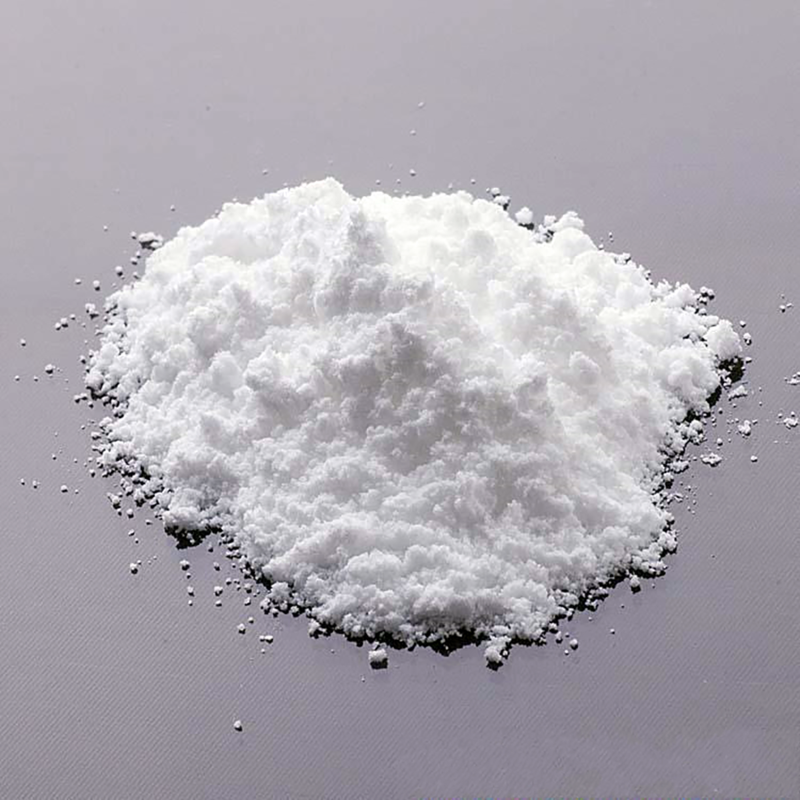
Formaldehyde 50-00-0 buy - large image1
Formaldehyde 50-00-0 buy - image1
Formaldehyde 50-00-0 buy - image2
Formaldehyde 50-00-0 buy - image3
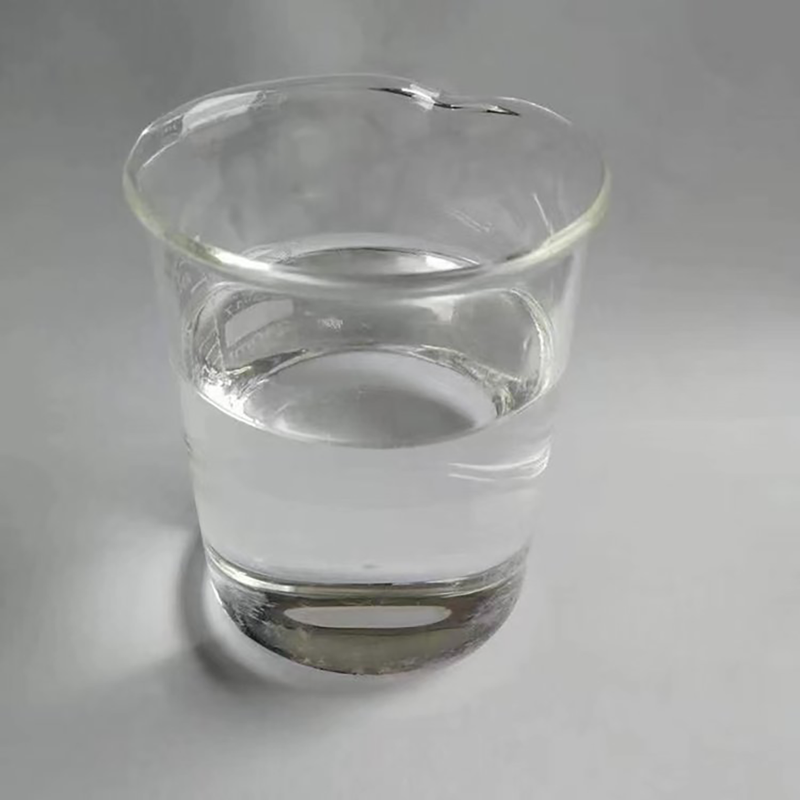
Formaldehyde 50-00-0 buy - image4
Formaldehyde 50-00-0 buy - image5
Formaldehyde 50-00-0 buy - image6

Formaldehyde 50-00-0

TDS 59 Inquiries

Unit Price: Get Latest Price
CAS No.:

50-00-0

Grade:

Industrail Grade

Content:

99%

Port:

shanghai

Brand:

Orient

Packaging:

25L, 200L, 1000L, customized

Price valid (until):

2026-06-08

Company Type:
Trader
Location:
China
Qualification:
Main Products:

pharmaceutical intermediates,peptides,electronic chemicals

  • Product Description

  • Seller Information

  • Inquiry History

  • Description
    Product Name: Formaldehyde
    Synonyms: aldeideformica;BFV;CH2O;Chloditan;Chlodithan;Chlodithane;dormol;Durine
    CAS: 50-00-0
    MF: CH2O
    MW: 30.03
    EINECS: 200-001-8
    Product Categories: Chemistry;Solvents;Pharmaceutical raw materials;Biocides;Amber Glass Bottles;Cancer Research;Carcinogens;Histological;Solvent Bottles;Solvent Packaging Options;Aldehydes;Building Blocks;C1 to C6;Carbonyl Compounds;Chemical Synthesis;Organic Building Blocks;1
    Mol File: 50-00-0.mol
    Shop Formaldehyde 50-00-0-Detailed Image 1

    Formaldehyde Chemical Properties
    Melting point  -15°C
    Boiling point  97°C(37% solution),-19.5°C(pure)
    density  1.09 g/mL at 25 °C(lit.)
    vapor density  1.03 (vs air)
    vapor pressure  52 mm Hg ( 37 °C)
    refractive index  n20/D 1.377
    Fp  133 °F
    storage temp.  room temp
    solubility  water: soluble
    pka 13.27(at 25℃)
    form  Solution
    color  APHA: ≤10
    PH pH (25℃) : 7.0~7.5
    Odor Pungent odor detectable at 1 ppm
    Odor Threshold 0.5ppm
    explosive limit 7-73% (v/v) Formaldehyde)
    Water Solubility  soluble
    λmax λ: 260 nm Amax: 0.01
    λ: 280 nm Amax: 0.01
    Merck  14,4235
    BRN  1209228
    Henry's Law Constant 2.08(x 10-7 atmm3/mol) at 25 °C (flow-type generation system, spectrophometry, Kanda et al., 2005)
    Exposure limits NIOSH REL: TWA 0.016 ppm, 15-min C 0.1 ppm, IDLH 20 ppm; OSHA PEL: TWA 0.75 ppm, STEL 2 ppm.
    Dielectric constant 23.0(Ambient)
    Cosmetics Ingredients Functions DENATURANT
    ANTIMICROBIAL
    PRESERVATIVE
    Cosmetic Ingredient Review (CIR) Formaldehyde (50-00-0)
    InChI 1S/CH2O/c1-2/h1H2
    InChIKey WSFSSNUMVMOOMR-UHFFFAOYSA-N
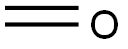
    SMILES [H]C([H])=O
    LogP 0.350
    CAS DataBase Reference 50-00-0(CAS DataBase Reference)
    NIST Chemistry Reference Formaldehyde(50-00-0)
    IARC 1 (Vol. Sup 7, 62, 88, 100F) 2012
    EPA Substance Registry System Formaldehyde (50-00-0)

    Safety Information
    Hazard Codes  T
    Risk Statements  23/24/25-34-40-43-39/23/24/25-68-45-68/20/21/22
    Safety Statements  36/37-51-45-36/37/39-26-53
    RIDADR  UN 1198 3/PG III (FORMALDEHYDE SOLUTION, FLAMMABLE)
    RIDADR  UN 2209 8/PG III (FORMALDEHYDE SOLUTION with not less than 25 % formaldehyde)
    OEB E
    OEL TWA: 0.016 ppm, Ceiling: 0.1 ppm [15-minute]
    WGK Germany  2
    RTECS  LP8925000
    10
    Autoignition Temperature 424 °C for formalin containing 15% methanol
    TSCA  TSCA listed
    REACH Registrations Active
    HazardClass  3
    PackingGroup  III
    HS Code  29121100
    Storage Class 3 - Flammable liquids
    Hazard Classifications Acute Tox. 2 Inhalation
    Acute Tox. 3 Dermal
    Acute Tox. 3 Oral
    Carc. 1B
    Eye Dam. 1
    Flam. Liq. 3
    Muta. 2
    Skin Corr. 1B
    Skin Sens. 1
    STOT SE 1
    STOT SE 3
    Hazardous Substances Data 50-00-0(Hazardous Substances Data)
    Toxicity LD50 oral (rat) 500 mg/kg
    LD50 skin (rabbit) 270 mg/kg
    LC50 inhal (rat) 203 mg/m3 (2 h)
    PEL (OSHA) 1 ppm (1.5 mg/m3)
    TLV-TWA (ACGIH) 0.3 ppm (ceiling)(0.37 mg/m3)
    STEL (OSHA) 2 ppm (2.5 mg/m3)
    IDLA 20 ppm
    MSDS Information

    Formaldehyde Usage And Synthesis
    General Description Formaldehyde, also called formic aldehyde or methyl aldehyde, has extensive application. For instance, it is used as a tissue preservative or organic chemical reagent. Thus, formaldehyde is very common to the chemical industry. In fact, formaldehyde is an important chemical used widely by industry to manufacture building materials and numerous household products. It is also a by-product of combustion and certain other natural processes. It is present in substantial concentrations both indoors and outdoors. Formaldehyde is well known as a preservative in medical laboratories, as an embalming fluid, and as a steriliser. Its primary use is in the production of resins and as a chemical intermediate. Urea–formaldehyde (uf) and phenol–formaldehyde (pf) resins are used in foam insulations, as adhesives in the production of particle board and plywood, and in the treating of textiles. Sources of formaldehyde in the home include building materials, smoking, household products, and the use of unvented, fuel-burning appliances, like gas stoves or kerosene space heaters. Formaldehyde, by itself or in combination with other chemicals, serves a number of purposes in manufactured products.

    Formaldehyde itself is a colourless gas, but it is more commonly purchased and used in aqueous solution (called formalin solution), with a maximum concentration of 40%. Formalin solutions often contain some amount of methanol as well. Both formaldehyde gas and solutions have a characteristic pungent, unpleasant odour.
    Chemical Properties Formaldehyde is colorless gas with a very distinct, pungent odor. It is highly soluble in water and in a variety of organic solvents. It has the potential to react explosively with peroxides and nitrogen oxide.
    Formalin, the aqueous form of formaldehyde, is a colorless liquid with a very distinct, pungent odor. It is incompatible and may react with strong oxidizers, alkalis,and acids. The liquid has a variable molecular weight, which is dependent on the specific aqueous formulation.
    Uses Formaldehyde (methyl aldehyde, methylene oxide) is a ubiquitous compound found endogenously in the body and environment. It is a colorless, flammable gas with a distinct, pungent odor and is most commonly available in aqueous solutions under the name formalin (37% formaldehyde in water). Formaldehyde has been used as a disinfectant, an embalming agent, and in industry as a precursor in the fabrication of complex compounds. Since scientific research has identified links between formaldehyde and adverse health effects, precautions and protections must be considered during use.
    Description Formaldehyde is a colorless, flammable gas with a distinctive pungent odor. It is the simplest aldehyde, which is a class of organic compounds with the carbonyl group bonded to at least one hydrogen atom. Formaldehyde was described by August Wilhelm von Hoff mann (1818–1892) in 1867 after the Russian Aleksandr Butlerov (1828–1886) had inadvertently synthesized it in 1857. Formaldehyde readily dissolves in water to produce a solution called formalin, which is commonly marketed as a 37% solution.
    Chemical Properties Formalin is made slightly alkaline (pH 8) by the addition of sodium hydroxide and then urea is added to give a urea to formaldehyde ratio of about 1: 2 molar. The resulting solution is boiled under reflux for about 15 minutes, acidified (to pH 4) with formic acid and then boiled for a further 5-20 minutes until the required degree of reaction is attained.
    Chemical Properties Formaldehyde is an important chemical widely used by industry to manufacture building materials and numerous household products. It is also a by-product of combustion and certain other natural processes. It is present in substantial concentrations both indoors and outdoors. Formaldehyde is well known as a preservative in medical laboratories, as an embalming fl uid, and as a sterilizer. Its primary use is in the production of resins and as a chemical intermediate. Urea formaldehyde (uf) and phenol formaldehyde (pf) resins are used in foam insulations, as adhesives in the production of particle board and plywood, and in the treating of textiles. Sources of formaldehyde in the home include building materials, smoking, household products, and the use of unvented, fuel-burning appliances, like gas stoves or kerosene space heaters. Formaldehyde, by itself or in combination with other chemicals, serves a number of purposes in manufactured products. It has been reported that the use and production of formaldehyde in 1998 was about 11.3 billion pounds and the international production crossed over 46 billion pounds in 2004.
    Physical properties Formaldehyde is a clear, colorless liquid with a pungent, suffocating odor. Burning taste. Experimentally determined odor threshold concentrations of 1.0 ppmv and 0.50 ppmv were reported by Leonardos et al. (1969) and Nagata and Takeuchi (1990), respectively. Also,formalin is an aqueous solution that is 37% formaldehyde by weight; inhibited solutions (added to prevent polymeri zation) usually contain 6 12% methyl alcohol. Formaldehyde is used in the manufacture of plastics and resins by reaction with phenols,urea, and melamine. It is used as a preservative,a disinfectant, and as a chemical intermediate.
    History Formaldehyde is a by-product of combustion of organic compounds, metabolism, and other natural processes. Formaldehyde results from wood combustion and elevated atmospheric concentrations can result from forest fires, as well as from urban pollution sources such as transportation. Formaldehyde has been identified as a significant indoor air pollutant. Building materials such as particleboard, plywood, and paneling are major sources of formaldehyde because they incorporate formaldehyde resins as bonding adhesives. Other sources of formaldehyde in the home are carpets, upholstery, drapes, tobacco smoke, and indoor combustion products. Formaldehyde may be emitted from building materials for several years after installation. In the two decades of the 1960s and 1970s, a half million homes in the United States used urea formaldehyde foam insulation, but health complaints led to its elimination as an insulator in the early 1980s. People react differently to formaldehyde exposure, but it is estimated that between 10% and 20% of the population will experience some reaction at concentrations as low as 0.2 parts per million. Formaldehyde irritates the eyes, nose, and throats, producing coughing, sneezing, runny nose, and burning eyes. More severe reactions result in insomnia, headaches, rashes, and breathing difficulties. Some states have established indoor air quality standards ranging from 0.05 to 0.5 ppm.
    Uses Formaldehyde is used as the preservative; disinfectant; antiseptic; in embalming solutions; in the manufacture of phenolic resins, artificial silk, cellulose esters, dyes, urea, thiourea, melamine res ins, organic chemicals, glass mirrors and explosives; used in improving fastness of dyes on fabrics; in tanning and preserving hides; in mordanting and waterproofing fabrics; as a germicide and fungicide for vegetables and other plants; in destroying flies and other insects; in preserving and coagulating rubber latex; prevent mildewand spelt in wheat and rot in oats; used to ren der casein, albumin, and gelatin insoluble; in chemical analysis; as a tissue fixative; as a component of particle board and plywood; in the manufacture of pentaerythritol, hexamethylenetetramine and lkbutanediol; used in ceiling and wall insulation; in res ins used to wrinkle-proof fabrics; in photography for hardening gelatin plates and papers, for toning gelatin-chloride papers and for chrome printing and developing; intermediate in drug manufacture; pesticide intermediate; in the production of urea, phenolic melamine and acetale resins; in textile products; as an astringent, disinfectant, and preservative in cosmetics, metal-working fluids, shampoos, etc.; antiperspirant in cosmetics; anticracking agent in dental plastics; in anhidrotics; chipboard production; in cleaning products, disinfectants and deodorizers, dry-cleaning materials, and glues; in mineral-wool production, paints and coatings, paper industry, phenolic resins and urea plastics; in adhesives and footwear, photographic paper and solutions, polishes, printing materials, tanning agents, wart remedies, embalming solutions, fertilizers, wood composites, and insulation.
    Uses Formaldehyde is used in the manufactureof phenolic resins, cellulose esters, artificialsilk, dyes, explosives, and organic chemicals.Other uses are as a germicide, fungicide, anddisinfectant; in tanning, adhesives, waterproofingfabrics, and for tonic and chromeprinting in photography; and for treating skindiseases in animals. In vitro neutralizationof scorpion venom toxicity by formaldehydehas been reported (Venkateswarlu et al.1988).
    Formaldehyde constitutes about 50% ofall aldehydes present in the air. It is oneof the toxic effluent gases emitted fromburning wood and synthetic polymeric substancessuch as polyethylene, nylon 6, andpolyurethane foams. Firefighters have a greaterrisk to its exposure. Incapacitation fromthe toxic effluent gases is reported to occurmore rapidly from the combustion of syntheticpolymers than from that of naturalcellulose materials.
    Formaldehyde is directly emitted into theair from vehicles. It is released in traceamounts from pressed wood products suchas particleboard and plywood paneling, fromold “sick” buildings, and from cotton andcotton–polyester fabrics with selected crosslinkfinishes. Formation of formaldehyde hasbeen observed in some frozen gadoid fishdue to enzymic decomposition of the additivetrimethylamine oxide (Rehbein 1985).Its concentration can build up during frozenstorage of fish (Leblanc and Leblanc 1988;Reece 1985). It occurs in the upper atmosphere,cloud, and fog; it also forms inphotochemical smog processes.
    Uses More than half of the commercial formaldehyde produced is used to manufacture phenolic,urea, and melamine formaldehyde resins. Polyacetyl resins use another 5–10% of formaldehyde,and approximately 80% of formaldehyde goes into the resins and plastics industry.Phenolic-formaldehyde resins were the first synthetic plastics to be produced. The first plasticwas called Bakelite.
    Formaldehyde has traditionally been used as a preservative in biology and medical laboratoriesand in embalming fluid. Embalming fluids typically contain 5–15% formaldehyde, a significant percentage of alcohol, and other additives to perform certain functions, for example,bleaches and coloring to preserve skin color. Formaldehyde has been used to preserve deadbodies since 1900 and has several qualities that make it the preferred preservative. Foremostamong these is its low cost, but it also has several biochemical advantages: it kills germs andmicroorganisms, destroys decomposition enzymes, retards decomposition of proteins, andhardens body tissues.

    First aid measures

    If inhaled

    Move the victim into fresh air. If breathing is difficult, give oxygen. If not breathing, give artificial respiration and consult a doctor immediately. Do not use mouth to mouth resuscitation if the victim ingested or inhaled the chemical.

    Following skin contact

    Take off contaminated clothing immediately. Wash off with soap and plenty of water. Consult a doctor.

    Following eye contact

    Rinse with pure water for at least 15 minutes. Consult a doctor.

    Following ingestion

    Rinse mouth with water. Do not induce vomiting. Never give anything by mouth to an unconscious person. Call a doctor or Poison Control Center immediately.

    Accidental release measures


    Personal precautions, protective equipment and emergency procedures

    Avoid dust formation. Avoid breathing mist, gas or vapours.Avoid contacting with skin and eye. Use personal protective equipment.Wear chemical impermeable gloves. Ensure adequate ventilation.Remove all sources of ignition. Evacuate personnel to safe areas.Keep people away from and upwind of spill/leak. Environmental precautions

    Prevent further spillage or leakage if it is safe to do so. Do not let the chemical enter drains. Discharge into the environment must be avoided. Methods and materials for containment and cleaning up

    Collect and arrange disposal. Keep the chemical in suitable and closed containers for disposal. Remove all sources of ignition. Use spark-proof tools and explosion-proof equipment. Adhered or collected material should be promptly disposed of, in accordance with appropriate laws and regulations.

    Shop Orthophosphorus acid 10294-56-1-Detailed Image 1

    Shop Trimellitic Anhydride  C9H4O5 552-30-7-Detailed Image 2

    Shop Trimellitic Anhydride  C9H4O5 552-30-7-Detailed Image 3


    Shop Trimellitic Anhydride  C9H4O5 552-30-7-Detailed Image 4

    Shop Trimellitic Anhydride  C9H4O5 552-30-7-Detailed Image 5

    Shop Trimellitic Anhydride  C9H4O5 552-30-7-Detailed Image 6


    Shop Trimellitic Anhydride  C9H4O5 552-30-7-Detailed Image 7


    Shop Trimellitic Anhydride  C9H4O5 552-30-7-Detailed Image 8

    Shop Trimellitic Anhydride  C9H4O5 552-30-7-Detailed Image 9

    Shop Trimellitic Anhydride  C9H4O5 552-30-7-Detailed Image 10

    Shop Trimellitic Anhydride  C9H4O5 552-30-7-Detailed Image 11

    Shop Trimellitic Anhydride  C9H4O5 552-30-7-Detailed Image 12

    ——  Q&A  ——

    Q1:Do you provide sample?

    A: Yes, we can provide free sample, you only need pay the shipping cost.

    Q2: What is the lead time?

    A: For stock goods, it usually take about 5-7 days by air, 15-30 days by sea,For customized products, the delivery time needs to be confirmed based on the actual situation.

    Q3: How can I buy? What is the payment method?

    A: You can contract us through Email or you can browse our website:orientchem.cc, we have bank transfer, 

    Q4:What if there are quality issues?

    A:We attach great importance to after-sales service of our products. If there are any quality issues, please contact us within 30 days of receiving the goods and we will handle returns and exchanges for you.


    Certificates

    Basic Info
    Product Name:

    Formaldehyde

    Other Name:

    Formol;Formaldehyde;Oxymethylene;Methanal;Formic aldehyde;Morbicid;Formalin;superlysoform;Methyl aldehyde;Methylene oxide;lysoform;HCHO;Oxomethylene;Methylene glycol;formalith;fannoform;Oxomethane;;8005-38-7;8006-07-3;8013-13-6;112068-71-0;1053659-79-2;1156543-56-4;1158237-02-5;1196157-74-0;1227476-28-9;1357848-44-2;1416946-65-0;1609158-91-9;2100305-91-5

    CAS No.:

    50-00-0

    Molecular Formula:

    CH2O

    InChIKeys:

    InChIKey=WSFSSNUMVMOOMR-UHFFFAOYSA-N

    Molecular Weight:

    30.02600

    Exact Mass:

    30.03

    EC Number:

    200-001-8

    HScode:

    2912110000

    Characteristics
    PSA:

    17.07000

    XLogP3:

    0.45100

    Appearance:

    Solids containing varying amounts of formaldehyde, probably as paraformaldehyde (polymers of formula HO(CH2O)xH where x averages about 30). A hazard to the environment. Immediate steps should be taken to limit spread to the environment.

    Density:

    0.8 g/cm3

    Melting Point:

    -92 °C

    Boiling Point:

    -19.5 °C

    Flash Point:

    50 °C (122 °F) for 37 % formaldehyde (15 % methanol)(closed cup); 85 °C (185 °F) for 37 % formaldehyde (methanol free)(closed cu

    Refractive Index:

    7 g/L (25 ºC)

    Water Solubility:

    H2O: soluble , > 100 g/100 ml(20 °C)

    Storage Conditions:

    2-8ºC

    Vapor Pressure:

    >1 atm (20 °C)

    Vapor Density:

    300ºC

    Toxicity:

    LD50 oral (rat) 500 mg/kg LD50 skin (rabbit) 270 mg/kg LC50 inhal (rat) 203 mg/m3 (2 h) PEL (OSHA) 1 ppm (1.5 mg/m3) TLV-TWA (ACGIH) 0.3 ppm (ceiling)(0.37 mg/m3) STEL (OSHA) 2 ppm (2.5 mg/m3)

    Flammability characteristics:

    Flammable Gas

    Explosive limit:

    vol% in air: 7.03.0

    Odor:

    Pungent, suffocating odor

    PH:

    pH: 2.8 to 4.0 /Formaldehyde soln/

    PKA:

    13.3(at 25 °C)

  • Seller Information
    Business Type:

    Trader

    Main Products:

    pharmaceutical intermediates,peptides,electronic chemicals

    Location:

    Room 102, 1st Floor, East Office Building, No. 45 Pengwan Road, Qianwan Bonded Port Area, Qingdao Zone, China (Shandong) Pilot Free Trade Zone

    Payment Terms:

    100% TT in advance

    Average lead Time:

    10

    Total Annual Revenue:

    $10 million-$25 million

    Total Employees:

    51-100

    Year of Establishment:

    2024

    A reliable supplier is like insurance.

    We are mainly specilized in supply of pharmaceutical intermediates, electronic chemicals,food additives, and other fine chemical products.
    Integrity is the foundation, quality is life. We would like to work together with you to build a greener and brighter future.

    Website: orientchem.cc
    Email: scarlett@orientchem.cc
    WhatsApp: +86 17753254221

  • Inquiry History
    59 Inquiries
    Country Product Purchase Quantity Date Posted
    Canada

    PRICE QUOTE: Formaldehyde 37% CAS NO. 50-00-0

    150 MT May 16, 2025
    Canada

    PRICE QUOTE: Formaldehyde 37% CAS NO. 50-00-0

    50 MT May 15, 2025
    India

    Formaldehyde 40 %

    10 MT May 6, 2026
    Bangladesh

    Formaldehyde

    1 20' Fcl Jun 22, 2026
    Malaysia

    Formaldehyde

    20000 MT Jun 15, 2026
    India

    Formaldehyde

    20 MT May 26, 2026
    Bangladesh

    Urea Formaldehyde Concentrate

    2000 MT Apr 27, 2026
    Turkey

    Formaldehyde 37%

    200 MT Apr 21, 2026
    Tunisia

    formaldehyde

    1 20' Fcl Feb 25, 2026
    Pakistan

    Formaldehyde stablized

    25.00 KG Feb 6, 2026
    Germany

    Formalin with 40% Formaldehyde content

    27200 KG Jan 28, 2026
    Chile

    Formalin

    140 KG Dec 10, 2025
    Pakistan

    Formaldehyde stablized

    25.00 KG Dec 8, 2025
    Bahrain

    Formaldehyde

    5000 L Nov 25, 2025
    Egypt

    Melamine formaldehyde

    1.00 20' Fcl Nov 20, 2025
    India

    Formaldehyde Solution

    1.00 L Oct 30, 2025
    Pakistan

    Formaldehyde stablizer

    25.00 KG Sep 16, 2025
    Bangladesh

    Formaldehyde

    20.00 MT Aug 8, 2025
    Bangladesh

    Formaldehyde Solution

    265.00 L May 30, 2025
    Canada

    Formaldehyde 37%

    200 MT May 23, 2025
    Post an enquiry for this product
pic ×

Scan the QR Code to Share

All products displayed on this website are only for non-medical purposes such as industrial applications or scientific research, and cannot be used for clinical diagnosis or treatment of humans or animals. They are not medicinal or edible.

According to relevant laws and regulations and the regulations of this website, units or individuals who purchase hazardous materials should obtain valid qualifications and qualification conditions.

The information shown above is provided by the enterprise itself, and the authenticity, accuracy and legitimacy of the content are the responsibility of the publishing company. ECHEMI does not bear any guarantee responsibility for this. Please be aware that risks in internet transactions objectively exist.

Feedback & Suggestions
Send Message

Thank you for your feedback. If you require further assistance, please contact us by email at info@echemi.com or call us at +86-532-55729510.