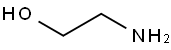
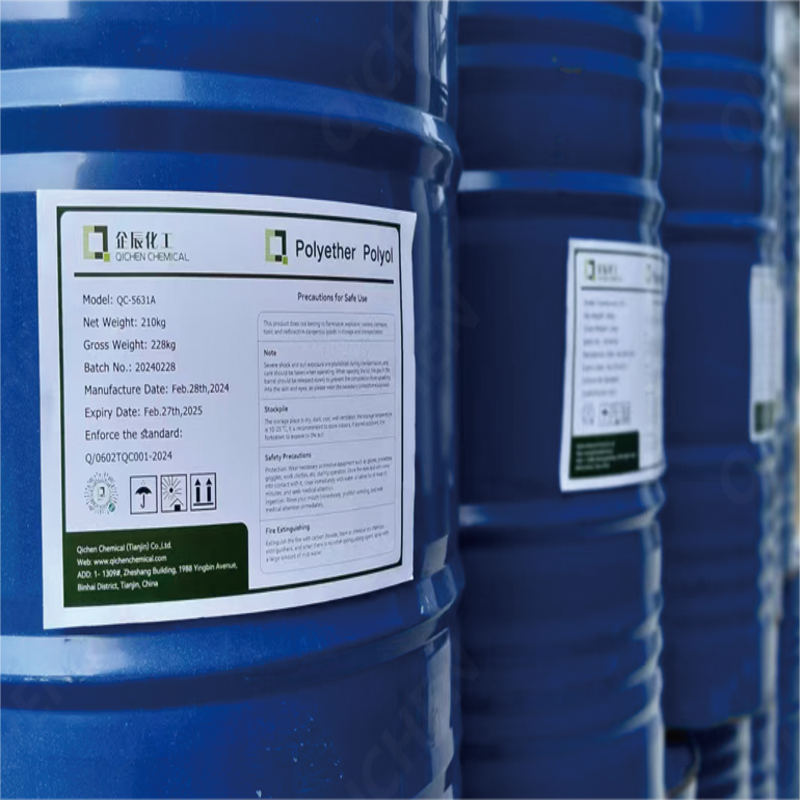
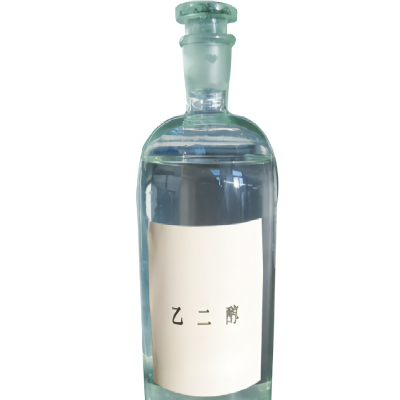
| Description | Ethanolamine is a kind of viscous hygroscopic amino alcohol contains both amine and alcohol chemical groups. It is widely distributed inside the body and is a component of lecithin. It has many kinds of industrial applications. For example, it can be used in the production of agricultural chemicals including ammonia as well as the manufacturing of pharmaceuticals and detergents. It can also be used as a surfactant, fluorimetric reagent and removing agent of CO2 and H2S. In pharmaceutical field, ethanolamine is used as a Vascular Sclerosing agent. It also has antihistaminic property, which alleviates the negative symptoms caused by H1-receptor binding. |
| Physical properties | Monoethanolamine and triethanolamine are viscous, colorless, clear, hygroscopic liquids at room temperature; diethanolamine is a crystalline solid. All ethanolamines absorb water and carbon dioxide from the air and are infinitely miscible with water and alcohols. The freezing points of all ethanolamines can be lowered considerably by the addition of water.
Ethanolamines are used widely as intermediates in the production of surfactants, which have become commercially important as detergents, textile and leather chemicals, and emulsifiers. Their uses range from drilling and cutting oils to medicinal soaps and highquality toiletries. |
| History | Ethanolamines were prepared in 1860 by Wurtz from ethylene chlorohydrin and aqueous ammonia. It was only toward the end of the 19th century that an ethanolamine mixture was separated into its mono-, di-, and trieth- anolamine components; this was achieved by fractional distillation.
Ethanolamines were not available commercially before the early 1930s; they assumed steadily growing commercial importance as intermediates only after 1945, because of the large-scale production of ethylene oxide. Since the mid-1970s, production of very pure, colorless triethanolamine in industrial quantities has been possible. All ethanolamines can now be obtained economically in very pure form.
The most important uses of ethanolamines are in the production of emulsifiers, detergent raw materials, and textile chemicals; in gas purification processes; in cement production, as milling additives; and as building blocks for agrochemicals. Monoethanolamine is an important feedstock for the production of ethylenediamine and ethylenimine. |
| Uses | Ethanolamine is used as an absorption agent to remove carbon dioxide and hydrogen sulfide from natural gas and other gases, as a softening agent for hides, and as a dispersing agent for agricultural chemicals. Ethanolamine is also used in polishes, hair waving solutions, emulsifiers, and in the synthesis of surface-active agents (Beyer et al 1983; Mullins 1978; Windholz 1983). Ethanolamine is permitted in articles intended for use in the production, processing, or packaging of food (CFR 1981).
Ethanolamine undergoes reactions characteristic of primary amines and of alcohols. Two industrially important reactions of ethanolamine involve reaction with carbon dioxide or hydrogen sulfide to yield water soluble salts, and reaction with long chain fatty acids to form neutral ethanolamine soaps (Mullins 1978). Substituted ethanolamine compounds, such as soaps, are used extensively as emulsifiers, thickeners, wetting agents, and detergents in cosmetic formulations (including skin cleaners, creams, and lotions) (Beyer et al 1983). |
| Preparation | Ethanolamine is produced with diethanolamine and triethanolamine by ammonolysis of ethylene oxide; ethanolamine is then separated by distillation (Mullins 1978). |
| Occupational Health | Monoethanolamine is the most strongly basic material in this family and also has the highest vapor pressure. Breathing vapors can be irritating to the respiratory tract. Eye or skin contact can result in serious chemical burns. Diethanolamine is not as serious a hazard as Monoethanolamine, and Triethanolamine is even less so. Work practices should include adequate workplace ventilation to eliminate irritating vapors and proper protective equipment to prevent skin contact with these chemicals. Cover-all eye goggles should be worn whenever there is a chance material may be splashed into the eyes. Contaminated work clothes must not be taken home.If they are reusable, they should be laundered separately and stored in separate lockers from street clothing. |
| References | http://www.wisegeek.com/what-is-ethanolamine.htm
https://pubchem.ncbi.nlm.nih.gov/compound/Ethanolamine#section=Top |
| Description | Monoethanolamine is contained in many products, such as metalwork fluids. It is mainly an irritant. Traces may exist in other ethanolamine fluids. |
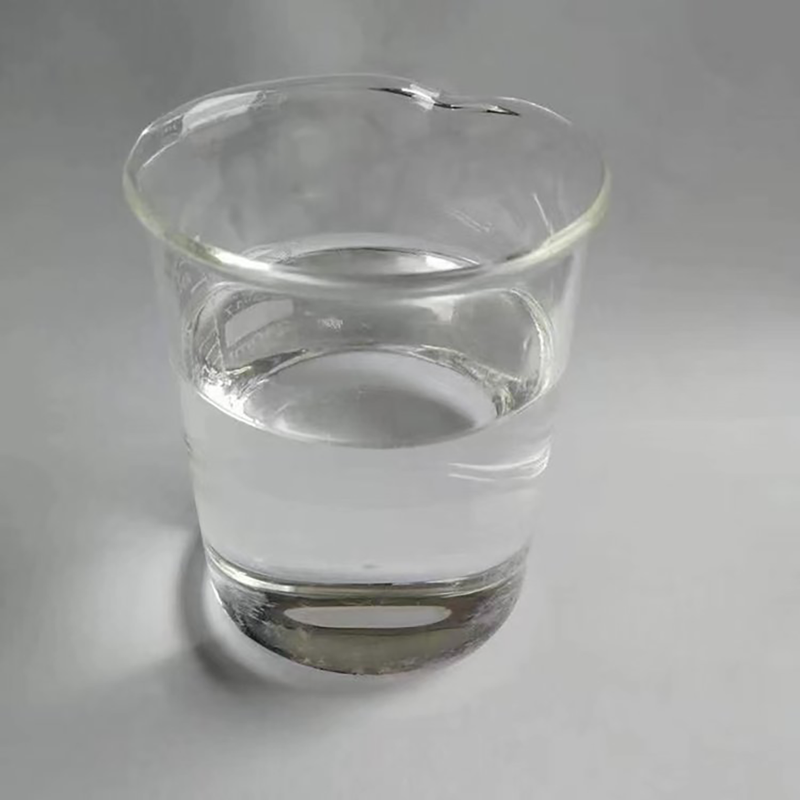
| Chemical Properties | Monoethanolamine is a clear, colorless or pale yellow-colored, moderately viscous liquid with a mild, ammoniacal odor. Ethanolamines can be detected by odor as low as 2-3 ppm. |
| Physical properties | Colorless, viscous, hygroscopic liquid with an unpleasant, mild, ammonia-like odor. Odor threshold concentration is 2.6 ppm (quoted, Amoore and Hautala, 1983). The lowest taste threshold concentration in potable water at 40 °C was 2.4 mg/L (Alexander et al., 1982). |
| Uses | Monoethanolamine is used as a dispersing agent for agricultural chemicals, in thesynthesis of surface-active agents, as a softening agent for hides, and in emulsifiers,polishes, and hair solutions. |
| Uses | As a chemical intermediate; corrosion inhibitor; in the production of cosmetics, detergents, paints, and polishes |
| Uses | Used as buffer; removal of carbon dioxide and hydrogen sulfide from gas mixtures. |
| Definition | ChEBI: A member of the class of ethanolamines that is ethane with an amino substituent at C-1 and a hydroxy substituent at C-2, making it both a primary amine and a primary alcohol. |
| Production Methods | Monoethanolamine is prepared commercially by the ammonolysis of ethylene oxide. The reaction yields a mixture of monoethanolamine, diethanolamine, and triethanolamine, which is separated to obtain the pure products. Monoethanolamine is also produced from the reaction between nitromethane and formaldehyde. |
| Definition | ethanolamine: Any of three lowmeltinghygroscopic colourlesssolids. They are strong bases, smell ofammonia, and absorb water readilyto form viscous liquids. Monoethanolamine,HOCH2CH2NH2, is aprimary amine, m.p. 10.5°C; diethanolamine,(HOCH2CH2)2NH, is asecondary amine, m.p. 28°C; and triethanolamine,(HOCH2CH2)3N, is atertiary amine, m.p. 21°C. All aremade by heating ethylene oxide withconcentrated aqueous ammoniaunder pressure and separating theproducts by fractional distillation.With fatty acids they form neutralsoaps, used as emulsifying agentsand detergents, and in bactericidesand cosmetics. |
| General Description | A clear colorless liquid with an odor resembling that of ammonia. Flash point 185°F. May attack copper, brass, and rubber. Corrosive to tissue. Moderately toxic. Produces toxic oxides of nitrogen during combustion. |
| Air & Water Reactions | Water soluble with evolution of heat. |
| Reactivity Profile | Ethanolamine is a base. Reacts with organic acids (acetic acid, acrylic acid), inorganic acids (hydrochloric acid, hydrofluoric acid, nitric acid, sulfuric acid, chlorosulfonic acid), acetic anhydride, acrolein, acrylonitrile, cellulose, epichlorohydrin, mesityl oxide, beta-propiolactone, vinyl acetate. Emits toxic fumes of nitrogen oxides when heated to decomposition [Sax, 9th ed., 1996, p. 1498]. |
| Health Hazard | Monoethanolamine causes severe irritationof the eyes and mild to moderate irritationof the skin. The pure liquid caused rednessand swelling when applied to rabbits’ skin.The acute oral toxicity of this compound waslow in animals. The toxic symptoms includedsomnolence, lethargy, muscle contraction,and respiratory distress. The oral LD50 valuesshowed a wide variation with species.
LD50 value, oral (rabbits): 1000 mg/kg
Monoethanolamine showed reproductive tox icity when administered at a dose of850 mg/kg/day, causing 16% mortality topregnant animals (Environmental HealthResearch and Testing 1987). This study alsoindicated that monoethanolamine reduced thenumber of viable litters but had no effect onlitter size, the birth weight, or percentage sur vival of the pups. |
| Fire Hazard | Special Hazards of Combustion Products: Irritating vapors generated when heated. |
| Flammability and Explosibility | Non flammable |
| Pharmaceutical Applications | Monoethanolamine is used primarily in pharmaceutical formulations for buffering purposes and in the preparation of emulsions. Other uses include as a solvent for fats and oils and as a stabilizing agent in an injectable dextrose solution of phenytoin sodium.
Monoethanolamine is also used to produce a variety of salts with therapeutic uses. For example, a salt of monoethanolamine with vitamin C is used for intramuscular injection, while the salicylate and undecenoate monoethanolamine salts are utilized respectively in the treatment of rheumatism and as an antifungal agent. However, the most common therapeutic use of monoethanolamine is in the production of ethanolamine oleate injection, which is used as a sclerosing agent. |
| Contact allergens | Monoethanolamine is contained in many products, such as metalworking fluids. It is mainly an irritant. Traces may exist in other ethanolamine fluids. |
| Safety Profile | Poison by intraperitoneal route. Moderately toxic by ingestion, skin contact, subcutaneous, intravenous, and intramuscular routes. A corrosive irritant to skin, eyes, and mucous membranes. Human mutation data reported. Flammable when exposed to heat or flame. A powerful base. Reacts violently with acetic acid, acetic anhydride, acrolein, acrylic acid, acrylonitrile, cellulose, chlorosulfonic acid, epichlorohydrin, HCl, HF, mesityl oxide, HNO3, oleum, H2SO4, p-propiolactone, vinyl acetate. To fight fire, use foam, alcohol foam, dry chemical. When heated to decomposition it emits toxic fumes of NOx. See also AMINES |
| Safety | Monoethanolamine is an irritant, caustic material, but when it is used in neutralized parenteral and topical pharmaceutical formulations it is not usually associated with adverse effects, although hypersensitivity reactions have been reported. Monoethanolamine salts are generally regarded as being less toxic than monoethanolamine.
LD50 (mouse, IP): 0.05 g/kg
LD50 (mouse, oral): 0.7 g/kg
LD50 (rabbit, skin): 1.0 g/kg
LD50 (rat, IM): 1.75 g/kg
LD50 (rat, IP): 0.07 g/kg
LD50 (rat, IV): 0.23 g/kg
LD50 (rat, oral): 1.72 g/kg
LD50 (rat, SC): 1.5 g/kg |
| Potential Exposure | Monoethanolamine is widely used in industry for scrubbing acid gases and in production of detergents and alkanolamide surfactants; to remove carbon dioxide and hydrogen from natural gas, to remove hydrogen sulfide and carbonyl sulfide; as an alkaline conditioning agent; as an intermediate for soaps, detergents, dyes, and textile agents. Diethanolamine is an absorbent for gases; a solubilizer for 2,4- dichlorophenoxyacetic acid (2,4-D); and a softener and emulsifier intermediate for detergents. It also finds use in the dye and textile industry. Triethanolamine is used as plasticizers, neutralizer for alkaline dispersions; lubricant additive; corrosion inhibitor; and in the manufacture of soaps, detergents, shampoos, shaving preparations; face and hand creams; cements, cutting oils, insecticides, surface active agents; waxes, polishes, and herbicides. |
| First aid | If this chemical gets into the eyes, remove anycontact lenses at once and irrigate immediately for at least30 min, occasionally lifting upper and lower lids. Seekmedical attention immediately. If this chemical contactsthe skin, remove contaminated clothing and wash immediately with soap and water. Seek medical attention immediately. If this chemical has been inhaled, remove fromexposure, begin rescue breathing (using universal precautions, including resuscitation mask) if breathing hasstopped and CPR if heart action has stopped. Transferpromptly to a medical facility. When this chemical hasbeen swallowed, get medical attention. If victim is conscious, administer water or milk. Do not induce vomiting. |
| Environmental fate | Biological. Bridié et al. (1979) reported BOD and COD values of 0.93 and 1.28 g/g using filtered effluent from a biological sanitary waste treatment plant. These values were determined using a standard dilution method at 20 °C for a period of 5 d. Similarly, Heukelekian and Rand (1955) reported a 5-d BOD value of 0.85 g/g which is 65.0% of the ThOD value of 1.31 g/g.
Chemical/Physical. Aqueous chlorination of ethanolamine at high pH produced Nchloroethanolamine, which slowly degraded to unidentified products (Antelo et al., 1981).
At an influent concentration of 1,012 mg/L, treatment with GAC resulted in an effluent concentration of 939 mg/L. The adsorbability of the carbon used was 15 mg/g carbon (Guisti et al., 1974). |
| Metabolism | Animal
Monoethanolamine is a naturally occurring constituent in mammalian urine; the excretion rate is about 1.36 mg/kg/d for rats, 0.91 mg/kg/d for rabbits, and 0.454 mg/kg/d for cats (Luck and Wilcox 1953). It was suggested that deamination of Monoethanolamine occurs in vivo, since within 24 h after administration of [15N]-Monoethanolamine to rabbits, 40% of the [15N]-label was excreted as urea (Beard and Noe 1981). Sprinson and Weliky (1969) found that labeled Monoethanolamine was extensively converted to labeled acetate in rats.Eight h after intraperitoneal injection of 0.52μmoles of [14C]-Monoethanolamine in Wistar rats, 11.5% of the injected dose was recovered as 14C02 (Taylor and Richardson 1967). At that time, about 50% of the injected radioactivity was found in the liver, and significant amounts (>2% [14C]/g tissue) were detected in the spleen and brain. In the liver, greater than 90% of the radioactivity was found in the lipid fraction; in the kidney, spleen and brain, the per cent in the lipid fraction was about 60, 30, and 54%, respectively. It was suggested that the main metabolic pathway for Monoethanolamine in rats involves its incorporation into phospholipids, presumably via exchange with serine in phosphatidylserine, resulting in the formation of phosphatidylMonoethanolamine. The incorporation of [14C]-Monoethanolamine into Monoethanolamine phosphoglycerides in liver, heart and brain has been extensively studied and is thought to occur via the CDP-Monoethanolamine pathway or by a base exchange reaction (Ansell and Spanner 1967; Weinhold and Sanders 1971; Zelinski and Choy 1982).Fifty h after topical application of [14C]-Monoethanolamine to excised pig skin in vitro (4μg/cm2), greater than 60% of the applied dose was found associated with the skin (Klain et al 1985). Twenty-four h after dermal application of [14C]- Monoethanolamine to athymic nude mice (4μg to 1.45 cm2), 19% of the applied dose was recovered in expired C02; this value was similar to that obtained after ip injection of Monoethanolamine. Radioactivity from [14C]Monoethanolamine was widely distributed in the body, with the highest levels found in the liver (26%) and kidneys (2.2%). Radioactivity was observed in hepatic phospholipids as the Monoethanolamine, serine, and choline bases, and in proteins and amino acids isolated from liver and skin sections. Urinary excretion included radioactive Monoethanolamine, urea, glycine, serine, uric acid, and choline. Thus, Monoethanolamine penetrates mouse skin and may be oxidized to C02, incorporated into hepatic phospholipids, or metabolized to amino acids.Twenty-four h after administration of [14C]-Monoethanolamine to dogs, total radioactivity in the blood was 1.69% of the administered dse (Rhodes and Case 1977). Eleven % of the dose was excreted in the urine. The half-life of the persistent low level of radioactivity in the blood was 19 d.
Human
Monoethanolamine is a naturally occurring constituent in human urine, with a mean excretion rate in males of 0.162 mg/kg/d and in females of 0.491 mg/kg/d (Luck and Wilcox 1953). [14C]-Monoethanolamine was topically applied to human skin grafted onto athymic nude mice at a dose of 4μg to a 1.45 cm2 graft area (Klain et al 1985). The rate and amount of radioactivity expired as 14C02 was similar to that described above for mice. Thus, the penetration rates of Monoethanolamine in human skin grafts and mouse skin appear to be similar. |
| storage | Monoethanolamine is very hygroscopic and is unstable when exposed to light. Aqueous monoethanolamine solutions may be sterilized by autoclaving.
When monoethanolamine is stored in large quantities, stainless steel is preferable for long-term storage. Copper, copper alloys, zinc, and galvanized iron are corroded by amines and should not be used for construction of storage containers. Ethanolamines readily absorb moisture and carbon dioxide from the air; they also react with carbon dioxide. This can be prevented by sealing the monoethanolamine under an inert gas. Smaller quantities of monoethanolamine should be stored in an airtight container, protected from light, in a cool, dry place. |
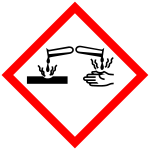
| Shipping | UN2491 Ethanol amine or Ethanolamine solutions, Hazard class: 8; Labels: 8-Corrosive material. |
| Incompatibilities | Monoethanolamine contains both a hydroxy group and a primary amine group and will thus undergo reactions characteristic of both alcohols and amines. Ethanolamines will react with acids to form salts and esters. Discoloration and precipitation will take place in the presence of salts of heavy metals. Monoethanolamine reacts with acids, acid anhydrides, acid chlorides, and esters to form amide derivatives, and with propylene carbonate or other cyclic carbonates to give the corresponding carbonates.
As a primary amine, monoethanolamine will react with aldehydes and ketones to yield aldimines and ketimines. Additionally, monoethanolamine will react with aluminum, copper, and copper alloys to form complex salts. A violent reaction will occur with acrolein, acrylonitrile, epichlorohydrin, propiolactone, and vinyl acetate. |
| Toxics Screening Level | The initial threshold screening level (ITSL) for monoethanolamine (CAS #141-43-5) is 80 μg/m3 with an 8-hour averaging time. |
| Waste Disposal | Controlled incineration; incinerator equipped with a scrubber or thermal unit to reduce nitrogen oxides emissions |
| Regulatory Status | Included in parenteral and nonparenteral medicines licensed in the UK and USA. Included in the Canadian List of Acceptable Nonmedicinal Ingredients. |








 Morocco
 Russia
 Turkey
 Uzbekistan
 Togo
Togo
 Pakistan
 India
India
 United Arab Emirates
 Germany
 Kuwait
 Mauritius
 South Africa
 Greece