Product
Supplier
Encyclopedia
Inquiry
Sebacic acid111-20-6C10H18O4 buy - large image1
Sebacic acid111-20-6C10H18O4 buy - image1
Sebacic acid111-20-6C10H18O4 buy - image2
Sebacic acid111-20-6C10H18O4 buy - image3
Sebacic acid111-20-6C10H18O4 buy - image4
Sebacic acid111-20-6C10H18O4 buy - image5
Sebacic acid111-20-6C10H18O4 buy - image6

Sebacic acid111-20-6C10H18O4

19 Inquiries

Unit Price:

$33-34/MT FOB

Get Latest Price
CAS No.:

111-20-6

Grade:

Pharmaceutical Grade

Content:

99.5%

Port:

shanghai

Brand:

OORENT

Packaging:

Vial/Bottle/Bag/Carton

Price valid (until):

2027-11-16

Company Type:
Trader
Location:
China
Qualification:
Main Products:

pharmaceutical intermediates,peptides,electronic chemicals

  • Product Description

  • Seller Information

  • Inquiry History

  • Description


      Product Detail

    Sebacic acid Basic information
    The main method of preparation Chemical properties Uses Production method Toxicity Hazards & Safety Information
    Product Name: Sebacic acid
    Synonyms: RARECHEM AL BO 0380;SEBACIC ACID;1,10-decanedioicacid;acidesebacique;Ipomic acid;n-Decanedioic acid;n-decanedioicacid;1,8-OctanedicarbozylicAcid
    CAS: 111-20-6
    MF: C10H18O4
    MW: 202.25
    EINECS: 203-845-5
    Product Categories: alpha,omega-Alkanedicarboxylic Acids;alpha,omega-Bifunctional Alkanes;Monofunctional & alpha,omega-Bifunctional Alkanes;Organic Chemicals;Intermediates;Cosmetics;bc0001;111-20-6
    Mol File: 111-20-6.mol
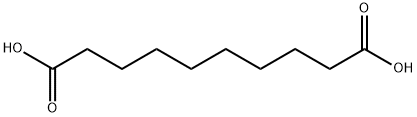
    Shop Sebacic acid111-20-6C10H18O4-Detailed Image 1

    Sebacic acid Chemical Properties
    Melting point  133-137 °C (lit.)
    Boiling point  294.5 °C/100 mmHg (lit.)
    density  1.21
    bulk density 600-620kg/m3
    vapor pressure  1 mm Hg ( 183 °C)
    refractive index  1.422
    Fp  220 °C
    storage temp.  Store below +30°C.
    solubility  ethanol: 100 mg/mL
    form  Powder or Granules
    pka 4.59, 5.59(at 25℃)
    color  White to off-white
    Odor monoclinic prismatic tablets, wh. powd., fatty acid odor
    Water Solubility  1 g/L (20 ºC)
    Merck  14,8415
    BRN  1210591
    Henry's Law Constant 7.6×10⁷ mol/(m3Pa) at 25℃, Compernolle and Müller (2014)
    Stability: Stable. Combustible. Incompatible with strong oxidizing agents, bases, reducing agents.
    Cosmetics Ingredients Functions BUFFERING
    InChI 1S/C10H18O4/c11-9(12)7-5-3-1-2-4-6-8-10(13)14/h1-8H2,(H,11,12)(H,13,14)
    InChIKey CXMXRPHRNRROMY-UHFFFAOYSA-N
    SMILES OC(=O)CCCCCCCCC(O)=O
    LogP 1.5 at 23℃
    CAS DataBase Reference 111-20-6(CAS DataBase Reference)
    NIST Chemistry Reference Decanedioic acid(111-20-6)
    EPA Substance Registry System Sebacic acid (111-20-6)

    Safety Information
    Hazard Codes  Xi
    Risk Statements  36/37/38
    Safety Statements  26-36-24/25
    WGK Germany  1
    RTECS  VS0875000
    TSCA  TSCA listed
    HS Code  29171310
    Storage Class 11 - Combustible Solids
    Toxicity LD50 orally in Rabbit: 3400 - 14500 mg/kg LD50 dermal Rat > 2000 mg/kg
    MSDS Information
    Provider Language
    Sebacic acid English
    SigmaAldrich English
    ACROS English
    ALFA English

    Sebacic acid Usage And Synthesis
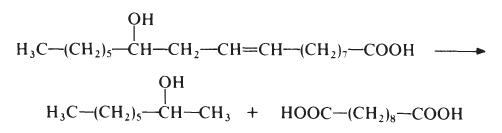
    The main method of preparation (1) Castor oil is as raw material, ricinoleate is separated from castor oil, with the condition of inflating and 280~300℃, caustic soda proceeds alkali fusion and the reaction is heated for 10h, sebum acid sodium salt can obtain, deputy product is 2-octanol. The sodium salt is dissolved in water, adding sulfuric acid to neutralize, after bleaching, the solution is cooled to precipitate sebum acid, it is washed with cold water, and finally recrystallized.
    CH3 (CH2) 5CH (OH) CH2CH = CH (CH2) 7COOH +
    2NaOH → CH3 (CH2) 5CH (OH) CH3 + NaOOC (CH2) 8COONa + H2
    NaOOC (CH2) 3COONa + H2SO4 → HOOC (CH2) 8COOH + Na2SO4
    (2) Adipic acid (hexane diacid) is as raw material to synthesize. Adipic acid and methanol can proceed esterification reaction to form dimethyl adipate, ion exchange membrane proceeds electrolytic oxidation to get dimer, i.e., dimethyl sebacate, and then reacts with sodium hydroxide to form the disodium salt, hydrochloric acid (or sulfuric acid) is used to neutralize and Sebacic acid can obtain.
    Chemical properties, uses and methods of preparation of sebacic acid are edited by Chemicalbook andy.(2016-12-04)
    Chemical properties It is white flaky crystal. It is slightly soluble in water, soluble in alcohol and ether.
    Uses

    Sebacic acid is widely used in the preparation of sebacic acid esters, such as dibutyl sebacate, dioctyl sebacate, diisooctyl sebacate. These esters can be used as plasticizers for plastics and cold-resistant rubber, as well as for polyamide, polyurethane, alkyd resin, synthetic lubricating oil, lubricating oil additives, spices, coatings, cosmetics, etc. It can also be used as raw material for producing nylon 1010, nylon 910, nylon 810, nylon 610, nylon 9 and high temperature resistant lubricating oil diethylhexyl ester. It is also the raw material for the production of alkyd resins (used as surface coatings, plasticized nitrocellulose coatings, and urea resin varnishes) and polyurethane rubber, cellulose resins, vinyl resins, and synthetic rubber plasticizers, softeners, and solvents.

    Production method Almost all of the current industrial production of sebacic acid is using castor oil as raw material.
    Castor oil cracking method: castor oil is heated under the action of alkali hydrolysis to generate ricinoleic acid sodium soap, and then add sulfuric acid acid to generate ricinoleic acid; in the presence of diluent cresol, add alkali heated to 260-280 ℃ for cracking to generate sebacic acid double sodium salt and secoctanol and hydrogen, cracked material diluted by water, heated and neutralized with acid, the double sodium salt into a monosodium salt; and then boiled with acid after decolorization of activated carbon neutralization solution. The monosodium salt of sebacic acid is turned into sebacic acid crystals, and then separated and dried to obtain the finished product.
    Toxicity

    Sebacic acid, also known as 1, 10-decanedioic acid, belongs to aliphatic dibasic acid. Sebacic acid was present in the leaves of flue-cured tobacco, burley tobacco and aromatic tobacco. Sebacic acid was white crystal in flake form at room temperature. Slightly soluble in water, sebacic acid was insoluble in benzene, petroleum ether, carbon tetrachloride. In contrast, sebacic acid was soluble in ethanol and ethyl ether. Irritant to the eyes, respiratory system and skin irritation, sebacic acid oral harmful. However, sebacic acid was low toxic and flammable.

    Hazards & Safety Information Category: Flammable liquid
    Toxicity: grading toxicity
    Acute oral toxicity-rat LD50: 14375 mg/kg; Oral-Mouse LD50: 6000 mg/kg
    Flammability hazard characteristics: flammable, the fire discharges acrid smoke
    Storage characteristics: Treasury ventilation low-temperature drying
    Extinguishing agent: Dry powder, foam, sand, water
    Description Sebacic acid is a dicarboxylic acid with structure (HOOC)(CH2)8(COOH), and is naturally occurring.
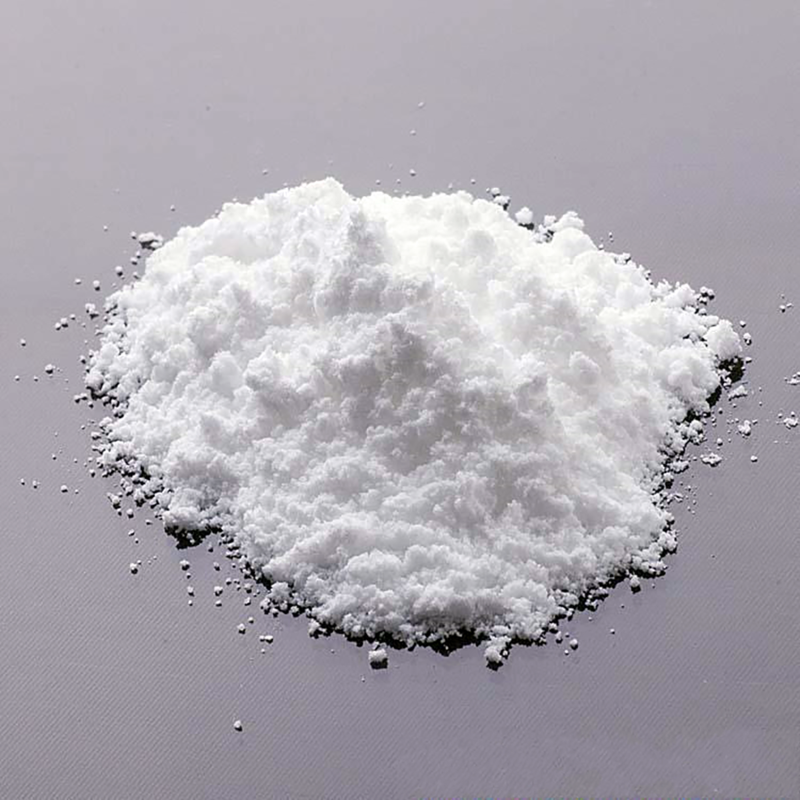
    In its pure state it is a white flake or powdered crystal. The product is described as non-hazardous, though in its powdered form it can be prone to flash ignition (a typical risk in handling fine organic powders).
    Sebaceus is Latin for tallow candle, sebum (tallow) is Latin for tallow, and refers to its use in the manufacture of candles. Sebacic acid is a derivative of castor oil, with the vast majority of world production occurring in China which annually exports over 20,000 metric tonnes, representing over 90 % of global trade of the product.
    In the industrial setting, sebacic acid and its homologues such as azelaic acid can be used in plasticizers, lubricants, hydraulic fluids, cosmetics, candles, etc. Sebacic acid is also used as an intermediate for aromatics, antiseptics, and painting materials.
    Chemical Properties White flaky crystals. Slightly soluble in water, soluble in alcohol and ether.
    Uses Sebacic Acid is a urinary metabolite that has been identified as an anti-fatigue biomarker.
    Uses Decanedioic acid was named by Thenard LJ (1802) from the Latin sebaceus(tallow candle) or sebum (tallow) in reference to its use in the manufacture of candles. Thenard LJ isolated this compound from distillation products of beef tallow. In 1954, it was reported that it was produced in excess of 10,000 tons annually by alkali fission of castor oil. Sebacic acid and its derivatives, as azelaic acid, have a variety of industrial uses as plasticizers, lubricants, diffusion pump oils, cosmetics, candles, etc. It is also used in the synthesis of polyamide, as nylon, and of alkyd resins. An isomer, isosebacic acid, has several applications in the manufacture of vinyl resin plasticizers, extrusion plastics, adhesives, ester lubricants, polyesters, polyurethane resins and synthetic rubber.
    Preparation Sebacic acid is normally made from castor oil, which is essentially glycerol triricinoleate. The castor oil is heated with sodium hydroxide at about 250e. This treatment results in saponification of the castor oil to ricinoleic acid which is then cleaved to give 2-octanol and sebacic acid:

    Shop Sebacic acid111-20-6C10H18O4-Detailed Image 2


    This process results in low yields of sebacic acid (about 50% based on the castor oil) but, nevertheless, other routes have not proved competitive. Sebacic acid is a colourless crystalline solid, m.p. 134.
    Definition ChEBI: Sebacic acid is an alpha,omega-dicarboxylic acid that is the 1,8-dicarboxy derivative of octane. It has a role as a human metabolite and a plant metabolite. It is an alpha,omega-dicarboxylic acid and a dicarboxylic fatty acid. It is a conjugate acid of a sebacate(2-) and a sebacate. It derives from a hydride of a decane.
    General Description White granular powder. Melting point 153°F. Slightly soluble in water. Sublimes slowly at 750 mm Hg when heated to melting point.
    Air & Water Reactions Insoluble in water.
    Reactivity Profile Sebacic acid reacts exothermically to neutralize bases, both organic and inorganic. May react rapidly with aqueous solutions containing a chemical base and dissolve as the neutralization generates a soluble salt. Can react with active metals to form gaseous hydrogen and a metal salt. Such reactions are slow in the dry, but systems may absorb enough water from the air to allow corrosion of iron, steel, and aluminum parts and containers. Reacts slowly with cyanide salts to generate gaseous hydrogen cyanide. Reacts with solutions of cyanides to cause the release of gaseous hydrogen cyanide. May generate flammable and/or toxic gases and heat with diazo compounds, dithiocarbamates, isocyanates, mercaptans, nitrides, and sulfides. May react with sulfites, nitrites, thiosulfates (to give H2S and SO3), dithionites (SO2), to generate flammable and/or toxic gases and heat. Can be oxidized exothermically by strong oxidizing agents and reduced by strong reducing agents. May initiate polymerization reactions.
    Fire Hazard Flash point data for Sebacic acid are not available. Sebacic acid is probably combustible.
    Flammability and Explosibility Not classified
    Purification Methods Purify sebacic acid via the disodium salt which, after crystallisation from boiling water (charcoal), is again converted to the free acid. The free acid is crystallised repeatedly from hot distilled water or from Me2CO/pet ether and dried under vacuum. [Beilstein 2 IV 2078.]


    Shop Tirzepatide2023788-19-2-Detailed Image 2 Shop Tirzepatide2023788-19-2-Detailed Image 3 Shop Tirzepatide2023788-19-2-Detailed Image 4 Shop Tirzepatide2023788-19-2-Detailed Image 5 Shop Tirzepatide2023788-19-2-Detailed Image 6 Shop Tirzepatide2023788-19-2-Detailed Image 7


    ECHEMI Editorial Reference
    Decanedioic acid, a normal urinary acid, is found to be associated with carnitine-acylcarnitine translocase deficiency and medium chain acyl-CoA dehydrogenase deficiency.
    Sebacic acid is a white granular powder. Melting point 153°F. Slightly soluble in water. Sublimes slowly at 750 mm Hg when heated to melting point.|DryPowder; DryPowder, PelletsLargeCrystals; OtherSolid; PelletsLargeCrystals|Solid|WHITE POWDER WITH CHARACTERISTIC ODOUR.
    Sebacic acid is a white granular powder. Melting point 153°F. Slightly soluble in water. Sublimes slowly at 750 mm Hg when heated to melting point.|Sebacic acid is an alpha,omega-dicarboxylic acid that is the 1,8-dicarboxy derivative of octane. It has a role as a human metabolite and a plant metabolite. It is an alpha,omega-dicarboxylic acid and a lipid. It is a conjugate acid of a sebacate(2-) and a sebacate. It derives from a hydride of a decane.

    Basic Info
    Product Name:

    Sebacic acid

    Other Name:

    Decanedioic acid;Sebacic acid;1,8-Octanedicarboxylic acid;1,10-Decanedioic acid;n-Decanedioic acid;NSC 19492;NSC 97405

    CAS No.:

    111-20-6

    Molecular Formula:

    C10H18O4

    InChIKeys:

    InChIKey=CXMXRPHRNRROMY-UHFFFAOYSA-N

    Molecular Weight:

    202.24800

    Exact Mass:

    202.25

    EC Number:

    203-845-5

    UNII:

    97AN39ICTC

    ICSC Number:

    1685

    NSC Number:

    19492

    DSSTox ID:

    DTXSID7026867

    HScode:

    2917131000

    Characteristics
    PSA:

    74.60000

    XLogP3:

    2.1

    Appearance:

    White powder

    Density:

    1.231 g/cm3

    Melting Point:

    130.8 °C

    Boiling Point:

    294.5 °C

    Flash Point:

    220 °C

    Refractive Index:

    1.422

    Water Solubility:

    Solubility in water, g/100ml: 0.1 (poor)

    Storage Conditions:

    Storage Room low temperature ventilation drying

    Vapor Pressure:

    1.24E-06mmHg at 25°C

    Collision Cross Section:

    141.9 Ų [M-H]- [CCS Type: DT, Method: single field calibrated with Agilent tune mix (Agilent)]|152.7 Ų [M+Na]+ [CCS Type: DT, Method: single field calibrated with ESI Low Concentration Tuning Mix (Agilent)]|144 Ų [M-H]- [CCS Type: DT, Method: single field calibrated with ESI Low Concentration Tuning Mix (Agilent)]|146 Ų [M+Na-2H]- [CCS Type: DT, Method: single field calibrated with ESI Low Concentration Tuning Mix (Agilent)]|146.3 Ų [M-2H+Na]-

    Air and Water Reactions:

    Insoluble in water.

    Reactive Group:

    Acids, Carboxylic

    Reactivity Profile:

    SEBACIC ACID reacts exothermically to neutralize bases, both organic and inorganic. May react rapidly with aqueous solutions containing a chemical base and dissolve as the neutralization generates a soluble salt. Can react with active metals to form gaseous hydrogen and a metal salt. Such reactions are slow in the dry, but systems may absorb enough water from the air to allow corrosion of iron, steel, and aluminum parts and containers. Reacts slowly with cyanide salts to generate gaseous hydrogen cyanide. Reacts with solutions of cyanides to cause the release of gaseous hydrogen cyanide. May generate flammable and/or toxic gases and heat with diazo compounds, dithiocarbamates, isocyanates, mercaptans, nitrides, and sulfides. May react with sulfites, nitrites, thiosulfates (to give H2S and SO3), dithionites (SO2), to generate flammable and/or toxic gases and heat. Can be oxidized exothermically by strong oxidizing agents and reduced by strong reducing agents. May initiate polymerization reactions.

    Physical Dangers:

    Dust explosion possible if in powder or granular form, mixed with air. If dry, it can be charged electrostatically by swirling, pneumatic transport, pouring, etc.

    Hazard Identification

    Classification of the substance or mixture

    Not classified.

    GHS label elements, including precautionary statements

    Pictogram(s) No symbol.
    Signal word

    No signal word

    Hazard statement(s)

    none

    Precautionary statement(s)
    Prevention

    none

    Response

    none

    Storage

    none

    Disposal

    none

    Other hazards which do not result in classification

    no data available

    Handling and Storage

    Precautions for safe handling

    NO open flames. Prevent deposition of dust. Closed system, dust explosion-proof electrical equipment and lighting. Handling in a well ventilated place. Wear suitable protective clothing. Avoid contact with skin and eyes. Avoid formation of dust and aerosols. Use non-sparking tools. Prevent fire caused by electrostatic discharge steam.

    Conditions for safe storage, including any incompatibilities

    Separated from strong oxidants and strong bases.

  • Seller Information
    Business Type:

    Trader

    Main Products:

    pharmaceutical intermediates,peptides,electronic chemicals

    Location:

    Room 102, 1st Floor, East Office Building, No. 45 Pengwan Road, Qianwan Bonded Port Area, Qingdao Zone, China (Shandong) Pilot Free Trade Zone

    Payment Terms:

    100% TT in advance

    Average lead Time:

    10

    Total Annual Revenue:

    $10 million-$25 million

    Total Employees:

    51-100

    Year of Establishment:

    2024

    A reliable supplier is like insurance.

    We are mainly specilized in supply of pharmaceutical intermediates, electronic chemicals,food additives, and other fine chemical products.
    Integrity is the foundation, quality is life. We would like to work together with you to build a greener and brighter future.

    Website: orientchem.cc
    Email: scarlett@orientchem.cc
    WhatsApp: +86 17753254221

  • Inquiry History
    19 Inquiries
    Country Product Purchase Quantity Date Posted
    Germany

    Sebacic Acid (CAS 111-20-6)

    1 20' Fcl Aug 28, 2026
    Germany

    Sebacic Acid

    1 20' Fcl Aug 25, 2026
    Pakistan

    Sebacic acid

    100 KG Jul 23, 2026
    United States

    Sebacic acid

    1 MT Jul 24, 2025
    Italy

    Sebacic Acid

    20 MT Jul 24, 2025
    India

    sebacic acid

    5 TON Apr 28, 2025
    Poland

    Sebacic acid

    23 MT Dec 10, 2024
    India

    sebacic acid

    10 MT Nov 27, 2024
    South Africa

    Sebacic Acid

    5.00 KG May 6, 2024
    Netherlands

    sebacic acid

    1 MT Dec 10, 2023
    South Korea

    Sebacic Acid

    1 KG Aug 26, 2026
    India

    Sebacic acid

    25 MT Aug 24, 2026
    Poland

    sebacic acid

    46 MT Jan 15, 2026
    South Africa

    sebacic acid

    100000 MT Oct 9, 2025
    Saudi Arabia

    Sebacic Acid

    1.00 20' Fcl May 17, 2024
    Malaysia

    sebacic acid

    200 KG Apr 8, 2026
    United States

    sebacic acid

    200 MT Jul 24, 2025
    Pakistan

    Sebacic Acid

    10000.00 KG Jan 24, 2025
    India

    SEBACIC ACID

    1 TON Jul 22, 2024
    Post an enquiry for this product
pic ×

Scan the QR Code to Share

All products displayed on this website are only for non-medical purposes such as industrial applications or scientific research, and cannot be used for clinical diagnosis or treatment of humans or animals. They are not medicinal or edible.

According to relevant laws and regulations and the regulations of this website, units or individuals who purchase hazardous materials should obtain valid qualifications and qualification conditions.

The information shown above is provided by the enterprise itself, and the authenticity, accuracy and legitimacy of the content are the responsibility of the publishing company. ECHEMI does not bear any guarantee responsibility for this. Please be aware that risks in internet transactions objectively exist.

Feedback & Suggestions
Send Message

Thank you for your feedback. If you require further assistance, please contact us by email at info@echemi.com or call us at +86-532-55729510.