Product
Supplier
Encyclopedia
Inquiry
Diethylstilbestrol56-53-1 buy - large image1
Diethylstilbestrol56-53-1 buy - image1
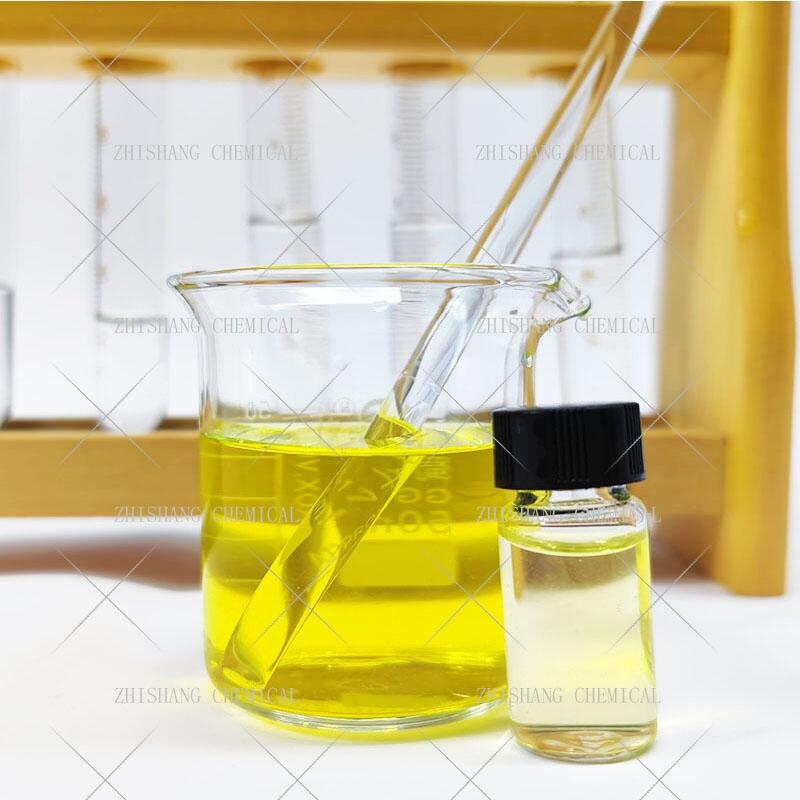
Diethylstilbestrol56-53-1 buy - image2
Diethylstilbestrol56-53-1 buy - image3
Diethylstilbestrol56-53-1 buy - image4
Diethylstilbestrol56-53-1 buy - image5
Diethylstilbestrol56-53-1 buy - image6

Diethylstilbestrol56-53-1

19 Inquiries

Unit Price:

$33-34/MT FOB

Get Latest Price
CAS No.:

56-53-1

Grade:

Pharmaceutical Grade

Content:

99.5%

Port:

shanghai

Brand:

OORENT

Packaging:

Vial/Bottle/Bag/Carton

Sample Available:

Yes

Price valid (until):

2026-10-21

Company Type:
Trader
Location:
China
Payment Terms:
100% TT in advance
Average Lead Time:
10 days
Qualification:
Main Products:

pharmaceutical intermediates,peptides,electronic chemicals

  • Product Description

  • Seller Information

  • Inquiry History

  • Description

    Product Detail

    Diethylstilbestrol Basic information
    Product Name: Diethylstilbestrol
    Synonyms: neo-oestranol1;neo-oestranoli;New-Estranol 1;NSC-3070;OeKolp;Oestrol vetag;oestrolvetag;Oestromenin
    CAS: 56-53-1
    MF: C18H20O2
    MW: 268.35
    EINECS: 200-278-5
    Product Categories: Other APIs;STILBESTROL;Miscellaneous Biochemicals;Intermediates & Fine Chemicals;Pharmaceuticals;56-53-1
    Mol File: 56-53-1.mol
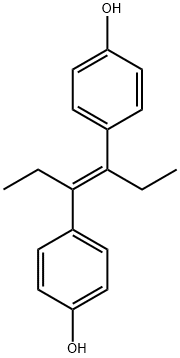
    Shop Diethylstilbestrol56-53-1-Detailed Image 1

    Diethylstilbestrol Chemical Properties
    Melting point  170-172 °C(lit.)
    Boiling point  351.51°C (rough estimate)
    density  1.1096 (rough estimate)
    refractive index  1.4800 (estimate)
    storage temp.  2-8°C
    solubility  methanol: 0.1 g/mL, clear, faintly yellow
    pka pKa 9.02(H2O t=25 I=0.025) (Uncertain)
    form  Crystalline Powder
    color  White to almost white
    biological source rabbit
    Water Solubility  PRACTICALLY INSOLUBLE
    Merck  13,3155
    BRN  2056095
    Henry's Law Constant 1.7×10² mol/(m3Pa) at 25℃, HSDB (2015)
    Stability: Isomerizes rapidly in Benzene, Chloroform, and Ether. Keep Shielded from light.
    Major Application pharmaceutical (small molecule)
    InChI 1S/C18H20O2/c1-3-17(13-5-9-15(19)10-6-13)18(4-2)14-7-11-16(20)12-8-14/h5-12,19-20H,3-4H2,1-2H3/b18-17+
    InChIKey RGLYKWWBQGJZGM-ISLYRVAYSA-N
    SMILES CC\C(c1ccc(O)cc1)=C(\CC)c2ccc(O)cc2
    CAS DataBase Reference 56-53-1(CAS DataBase Reference)
    NIST Chemistry Reference Diethylstilbesterol(56-53-1)
    IARC 1 (Vol. 21, Sup 7, 100A) 2012
    EPA Substance Registry System Diethylstilbestrol (56-53-1)

    Safety Information
    Hazard Codes  T,N
    Risk Statements  45-61-36/37/38-51/53-40
    Safety Statements  53-36/37/39-45-60-61-36/37
    RIDADR  UN 3077 9/PG 3
    WGK Germany  3
    RTECS  WJ5600000
    F  10
    TSCA  TSCA listed
    HazardClass  6.1(b)
    PackingGroup  III
    HS Code  29072990
    Storage Class 6.1C - Combustible acute toxic Cat.3
    toxic compounds or compounds which causing chronic effects
    Hazard Classifications Aquatic Acute 1
    Aquatic Chronic 1
    Carc. 1B
    Eye Irrit. 2
    Repr. 1B
    Skin Irrit. 2
    STOT SE 3
    Hazardous Substances Data 56-53-1(Hazardous Substances Data)
    Toxicity LD50 oral in rat: > 3gm/kg
    MSDS Information
    Provider Language
    Diethylstilbestrol English
    SigmaAldrich English
    ACROS English

    Diethylstilbestrol Usage And Synthesis
    Description Diethylstilbestrol (DES) is a synthetic estrogen receptor agonist that was prescribed to pregnant women in the late 1930s. It was banned in 1971 because of possible links to increased risk of breast cancer in mothers along with congenital abnormalities and increased risk of cancer in offspring. DES is structurally related to, and is as potent as, estradiol in most assays, with a longer half-life. It has a relative binding affinity to sex hormone binding globulin (SHBG) of 0.2 compared to estradiol which has a relative binding affinity of 100. A concentration of 20 μM DES, displaces 30 ± 13% of 3H-estradiol from SHBG in serum.
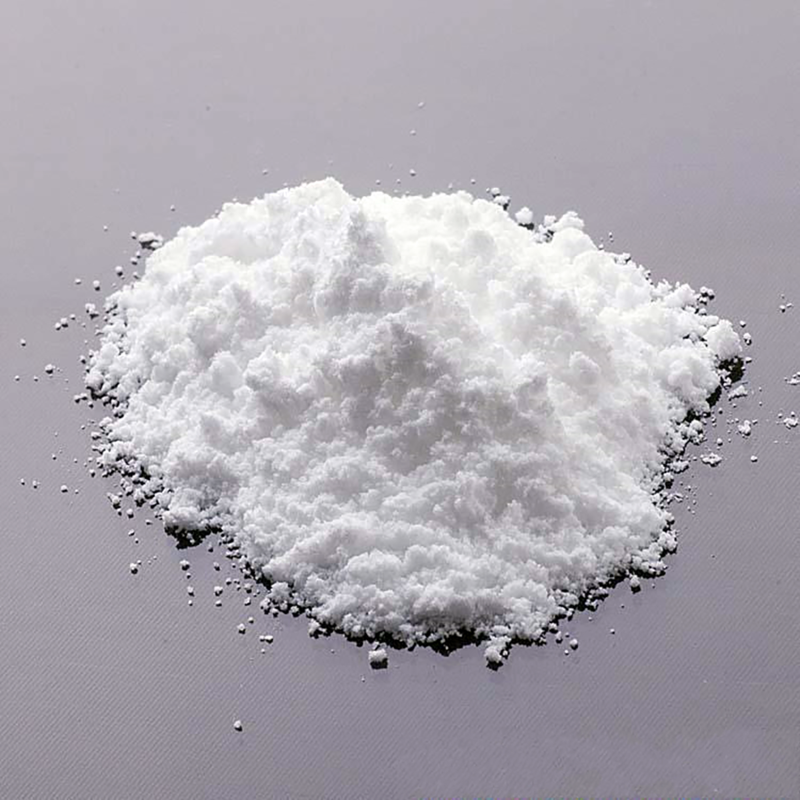
    Chemical Properties Diethylstilbestrol is an odorless, white crystalline powder, with a molecular weight of 268.36. Its cisisomer tends to revert to the trans-form. It is a nonsteroidal, synthetic stilbene derivative with estrogenic activity. recomended solvents are DMSO, DMF and ethanol, even in these solvents do not store in solution for any prolonged period of time.
    Originator DES,Amfre-Grant,US,1946
    Uses Diethylstilbestrol has been used:
    to evaluate the estrogenic activity of diethylstilbestrol by quantitating the expression levels of endogenous estrogen-regulated marker genes
    to evaluate the estrogenic, androgenic and toxicity responses in bioluminescent yeast bioreporter assay (BLYES)
    to detect its effect on the proliferation and tyrosinase activity of melanocytes
    Uses Diethylstilbestrol is a synthetic nonsteroidal estrogen that was formerly used in estrogenic hormone therapy (for menstrual disorders, postpartum breast engorgement, postcoital contraceptive, prevention of spontaneous abortion) and in chemotherapy of various cancers, including postmenopausal breast cancer and prostate cancer. It was also used in biomedical research and veterinary medicine (growth promoter for cattle and sheep; veterinary drug to treat estrogen deficiency disorders).
    Indications Diethylstilbestrol is one of the older synthetic estrogens in use. It was used to treat prostate cancer but is now rarely used for this purpose because of its adverse effects,although it is occasionally used in postmenopausal women with breast cancer. It is taken orally in tablet form.
    Definition ChEBI: Diethylstilbestrol is an olefinic compound that is trans-hex-3-ene in which the hydrogens at positions 3 and 4 have been replaced by p-hydroxyphenyl groups. It has a role as an antineoplastic agent, a carcinogenic agent, a xenoestrogen, an EC 3.6.3.10 (H(+)/K(+)-exchanging ATPase) inhibitor, an antifungal agent, an endocrine disruptor, an EC 1.1.1.146 (11beta-hydroxysteroid dehydrogenase) inhibitor, an autophagy inducer and a calcium channel blocker. It is a polyphenol and an olefinic compound.
    Manufacturing Process 50 parts by weight of p-hydroxypropiophenone are dissolved in 200 parts by weight of a 12.5% solution of caustic soda and shaken with 350 parts by weight of 3% sodium amalgam. The sodium salt of the pinacol thereby precipitating is reacted with glacial acetic acid, whereby the free pinacol is obtained (MP 205°C to 210°C, after purification 215°C to 217°C). The yield amounts to 95% of the theoretical. The pinacol is suspended in ether and gaseous hydrogen chloride introduced, whereby water separates and the pinacolin formed is dissolved in the ether, from which it is obtained by evaporation as a viscous oil (diacetateof MP 91°C). The yield is quantitative.
    40 parts by weight of pinacolin are dissolved in ethyl alcohol and gradually treated with 80 parts by weight of sodium under reflux. The solution is decomposed with water and the pinacolin alcohol formed extracted from the neutralized solution with ether. The pinacolin alcohol is a viscous oil which is characterized by a dibenzoate of MP 172°C. The yield is 95% of the theoretical.
    A solution of 30 parts by weight of pinacolin alcohol in ether is saturated with hydrogen chloride at room temperature and the ether solution then agitated with bicarbonate. After concentration by evaporation it leaves behind the crude diethylstilbestrol [α,β-(p,p'-dihydroxydiphenyl)-α,β-diethylethylene] which, when recrystallized from benzene, melts at 170°C to 171°C. The yield amounts to 75% of the calculated. The total yield of diethylstilbestrol, calculated on p-hydroxypropiophenone, is 68% of the theoretical.
    Brand name Stilbestrol (Tablicaps); Stilbetin (Bristol-Myers Squibb);Distilbene;Oestro-gynedron;Stilphostrol.
    Therapeutic Function Estrogen
    World Health Organization (WHO) Diethylstilbestrol, a synthetic estrogen which is a stilbene derivative, was introduced into obstetric practice in the late 1940s and subsequently widely used for the treatment of threatened abortion. This use was later shown to be associated with an increased risk of vaginal cancer in the offspring which resulted in restrictive regulatory action in several countries. Diethylstilbestrol and other stilbenes remain available in many countries, however, for the treatment of certain hormone-dependent neoplasms including carcinoma of the prostate and postmenopausal breast cancer. (Reference: (WHODI) WHO Drug Information, 77.1, 16, 1977)
    General Description Diethylstilbestrol is an odorless tasteless white crystalline powder. (NTP, 1992)
    Air & Water Reactions Insoluble in water.
    Reactivity Profile Diethylstilbestrol is incompatible with strong oxidizing agents, strong bases, acid chlorides and acid anhydrides .
    Fire Hazard Flash point data for Diethylstilbestrol are not available; however, Diethylstilbestrol is probably combustible.
    Biochem/physiol Actions Diethylstilbestrol is a synthetic estrogen with carcinogenic properties. Causes renal clear-cell carcinoma in Syrian hamster. In humans it causes increased risk of breast cancer, clear cell adenocarcinoma (CCA) of the vagina and cervix, and reproductive anomalies. Used in the treatment of prostate cancer to block the production of testosterone.
    Side effects These include sodium retention and oedema,nausea,gynaecomastia and impotence in men, and venous and arterial thrombosis. It can cause bone pain and hypercalcaemia when used for breast cancer.
    Safety Profile Confirmed carcinogen producing skin, liver, and lung tumors in exposed humans as well as uterine and other reproductive system tumors in the female offspring of exposed women. Experimental carcinogenic, neoplas tigenic, tumorigenic, and teratogenic data. A transplacental carcinogen. A human teratogen by many routes. Poison by intraperitoneal and subcutaneous routes. It causes glandular system effects by sktn contact. Human reproductive effects by ingestion: abnormalspermatogenesis; changes in testes, epididymis, and sperm duct; menstrual cycle changes or disorders; changes in female ferulity; unspecified maternal effects; developmental abnormalities of the fetal urogenital system; germ cell effects in offspring; and delayed effects in newborn. Implicated in male impotence and enlargement of male breasts. Other experimental reproductive effects. Mutation data reported. When heated to decomposition it emits acrid smoke and fumes. See also ETHINYL ESTRADIOL.
    Synthesis In 1993, using phenol (DIET-001) as a raw material, Diethylstilbestrol was synthesized through five steps. Treatment of phenol (DIET-001) with propionic acid at 90 °C provides ketone DIET-002, followed by methylation of DIET-002 with dimethyl sulfate to afford ether DIET-003. Next, DIET-003 and Hg–Al are heated in MeOH, and then treated with conc. HCl to give DIET-004 with two hydroxyl groups. Then DIET-004 and triethyl orthoformate are heated at 170 °C and concentrated to give a residue, which is heated with iodine in chloroform to give olefin DIET-005. Finally, dealkylation of DIET-005 with Py-HCl affords Diethylstilbestrol.

    Potential Exposure DES had been used extensively as agrowth promoter for cattle and sheep and is used in veterinary medicine to treat estrogen-deficiency disorders. It hasbeen used in humans to prevent spontaneous abortions; totreat symptoms associated with menopause, menstrual disorders, postpartum breast engorgement, primary ovarianfailure, breast cancer, and prostate cancers in males. In1979, the DFA revoked all use of DES in food-producinganimals. The Court of Appeals upheld the Commissioner’sdecision to revoke the use of DES in all food-producing animals on November 24, 1980; the motion to reconsider wasdenied on December 24, 1980.
    First aid Skin Contact: Flood areas of body that havecontacted the substance with water. Do not wait to removecontaminated clothing; do it under the water stream. Usesoap to help assure removal. Isolate contaminated clothingwhen removed to prevent contact by others. Eye Contact:Remove any contact lenses at once. Flush eyes well withcopious quantities of water or normal saline for at least20-30 min. Seek medical attention. Inhalation: Leave contaminated area immediately, breathe fresh air. Proper respiratory protection must be supplied to any rescuers. Ifcoughing, difficult breathing, or any other symptomsdevelop, seek medical attention at once even if symptomsdevelop many hours after exposure. Ingestion: If convulsions are not present, give a glass or two of water or milk todilute the substance. Assure that the person’s airway isunobstructed and contact a hospital or poison center immediately for advice on whether or not to induce vomiting.
    Carcinogenicity Diethylstilbestrol is known to be a human carcinogen based on sufficient evidence of carcinogenicity from studies in humans.
    Environmental Fate Diethylstilbestrol is a known teratogen and carcinogen. Experimental studies using transgenic estrogen receptor knockout animals suggest that binding and activation of the estrogen receptor is required to elicit diethylstilbestrol toxicity. Hence, diethylstilbestrol lesions primarily appear in tissues enriched with estrogen receptors. Diethylstilbestrol binds to the estrogen receptor with a very high affinity and forms a complex with the target tissue. The complex then internalizes in to the cell and translocates to the nucleus. Once in the nucleus, diethylstilbestrol may directly bind with the cellular DNA and cause mutations and unscheduled DNA synthesis. Diethylstilbestrol is also known to induce aneuploidy.
    storage Color Code—Blue: Health Hazard/Poison: Storein a secure poison location. Color Code—Green: Generalstorage may be used. Prior to working with DES you shouldbe trained on its proper handling and storage. Store in arefrigerator under an inert atmosphere and protect fromlight. A regulated, marked area should be established wherethis chemical is handled, used, or stored in compliance withOSHA Standard 1910.1045.
    Shipping The name of this material is not on the DOT listof materials for label and packaging standards. However,based on regulations, it may be classified as anEnvironmentally hazardous substances, solid, n.o.s. Thischemical requires a shipping label of “CLASS 9.” It falls inHazard Class 9 and Packing Group III.[20,21]
    Clinical claims and research At first glance, it might be surprising that synthetic nonsteroidal molecules such as diethylstilbestrol (DES) could have the same activity as estradiol or other estrogens. DES can be viewed, however, as a form of estradiol with rings B and C open and a six-carbon ring D. The activity of DES analogs was explained in 1946. It was proposed that the distance between the two DES phenol OH groups was the same as the 3-OH to 17-OH distance of estradiol; therefore, they could both fit the same receptor. Medicinal chemists have shown the OH-to-OH distance to be actually 12.1 in DES and 10.9 in estradiol. In aqueous solution, however, estradiol has two water molecules that are hydrogen bonded to the 17-OH. If one of the two water molecules is included in the distance measurement, there is a perfect fit with the two OH groups of DES. This suggests that water may have an important role for estradiol in its receptor site.
    It is now generally accepted that the estrogens must have a phenolic moiety for binding, but some investigators propose that the receptor may be flexible enough to accommodate varying distances between the two key hydroxyls. This point about estrogens needing a phenolic ring for high-affinity binding to the ER is critical. Steroids with a phenolic A ring and related phenolic compounds lack high-affinity binding to the other steroid hormone receptors.
    Toxicity evaluation Diethylstilbestrol’s production and use in biochemical research, medicine, and veterinary medicine may result in its release to the environment through various waste streams. It may also be released to the environment during transport, storage, or disposal. If released to soil, diethylstilbestrol is predicted to strongly adsorb to the soil. Volatilization from the dry or wet soil surface would probably be unlikely. The extent of biodegradation in soil is not known, although diethylstilbestrol has been shown to be resistant to degradation in activated sludge. If released to water, diethylstilbestrol may bioconcentrate in aquatic organisms and strongly adsorb to suspended solids and sediments. Diethylstilbestrol is expected to be essentially nonvolatile on water surfaces. Diethylstilbestrol would not be susceptible to hydrolysis. The extent of biodegradation in natural waters is not certain, although diethylstilbestrol has been shown to be resistant to degradation in activated sludge. If released to the atmosphere, diethylstilbestrol vapors should rapidly oxidize, primarily by reaction with ozone. It is expected to exist solely in the particulate phase in an ambient atmosphere. Particulatephase diethylstilbestrol may be removed from the air by wet and dry deposition.


    Shop Tirzepatide2023788-19-2-Detailed Image 2 Shop Tirzepatide2023788-19-2-Detailed Image 3 Shop Tirzepatide2023788-19-2-Detailed Image 4 Shop Tirzepatide2023788-19-2-Detailed Image 5 Shop Tirzepatide2023788-19-2-Detailed Image 6 Shop Tirzepatide2023788-19-2-Detailed Image 7


    ECHEMI Editorial Reference
    Diethylstilbestrol, a synthetic nonsteroidal estrogen used in the treatment of menopausal and postmenopausal disorders.Target: Estrogen Receptor/ERRDiethylstilbestrol (DES), a synthetic estrogen that was used in pregnancy, is a prototype endocrine-disrupting chemical. Although prenatal exposure to DES is known to increase risks of vaginal/cervical adenocarcinoma and adverse reproductive outcomes in women, and urogenital anomalies in men, data on nonreproductive medical conditions are lac
    Diethylstilbestrol is an odorless tasteless white crystalline powder. (NTP, 1992)
    Diethylstilbestrol is an odorless tasteless white crystalline powder. (NTP, 1992)|Diethylstilbestrol is an olefinic compound that is trans-hex-3-ene in which the hydrogens at positions 3 and 4 have been replaced by p-hydroxyphenyl groups. It has a role as an antineoplastic agent, a carcinogenic agent, a xenoestrogen, an EC 3.6.3.10 (H(+)/K(+)-exchanging ATPase) inhibitor, an antifungal agent, an endocrine disruptor, an EC 1.1.1.146 (11beta-hydroxysteroid dehydrogenase) inhibitor, an autophagy inducer and a calcium channel blocker. It is a polyphenol and an olefinic compound.|A synthetic nonsteroidal estrogen used in the treatment of menopausal and postmenopausal disorders. It was also used formerly as a growth promoter in animals. According to the Fourth Annual Report on Carcinogens (NTP 85-002, 1985), diethylstilbestrol has been listed as a known carcinogen. (Merck, 11th ed)|Diethylstilbestrol is a synthetic, nonsteroidal form of estrogen. A well-known teratogen and carcinogen, diethylstilbestrol inhibits the hypothalamic-pituitary-gonadal axis, thereby blocking the testicular synthesis of testosterone, lowering plasma testosterone, and inducing a chemical castration.

    Basic Info
    Product Name:

    Diethylstilbestrol

    Other Name:

    Phenol,4,4′-[(1E)-1,2-diethyl-1,2-ethenediyl]bis-;4,4′-Stilbenediol,α,α′-diethyl-,(E)-;Phenol,4,4′-(1,2-diethyl-1,2-ethenediyl)bis-,(E)-;4,4′-Stilbenediol,α,α′-diethyl-,trans-;4,4′-[(1E)-1,2-Diethyl-1,2-ethenediyl]bis[phenol];Bio-des;Comestrol;Cyren A;DEB;DES;Di-Estryl;trans-α,α′-Diethyl-4,4′-stilbenediol;Domestrol;Estilbin MCO;Estrobene;Estrosyn;Fonatol;Grafestrol;Hi-Bestrol;Microest;Milestrol;Oestrogenine;Oestromenin;Oestromensyl;Palestrol;Serral;Sexocretin;Sibol;Stil;Stilbestrol;Stilbetin;Stilboestroform;Stilboestrol;Stilkap;Stil-Rol;Synthoestrin;Syntofolin;trans-Diethylstilbestrol;Diethylstilbestrol;Stilboefral;α,α′-Diethyl-4,4′-stilbenediol;Dawe's destrol solution;4,4′-Dihydroxy-α,β-diethylstilbene;Bufon;Antigestil;Neo-Oestranol I;Distilbene;Iscovesco;Synestrin;(E)-4,4′-(1,2-Diethyl-1,2-ethenediyl)bisphenol;α,α′-Diethylstilbenediol;Dawe's destrol;DiBestrol 2 Premix;Rumestrol 2;Rumestrol 1;4,4′-Dihydroxydiethylstilbene;Cyren;Synthofolin;Pabestrol;Estromenin;Menostilbeen;Agostilben;DES (synthetic estrogen);trans-4,4′-Dihydroxy-α,β-diethylstilbene;(E)-3,4-Bis(4-hydroxyphenyl)-3-hexene;(E)-Diethylstilbestrol;Vagestrol;Oestromon;NSC 3070;Bertrol;trans-α,α′-Diethyl-4,4′-dihydroxystilbene;Estrogenine;8026-45-7;8028-09-9;8030-34-0;8049-42-1;8053-00-7

    CAS No.:

    56-53-1

    Molecular Formula:

    C18H20O2

    InChIKeys:

    InChIKey=RGLYKWWBQGJZGM-ISLYRVAYSA-N

    Molecular Weight:

    268.35

    Exact Mass:

    268.35

    EC Number:

    200-278-5

    UNII:

    731DCA35BT

    NSC Number:

    756736|3070

    UN Number:

    3077

    DSSTox ID:

    DTXSID3020465

    NCI Thesaurus Code:

    C433

    Color/Form:

    White crystalline powder|Small plates from benzene

    ATC Code:

    G - Genito urinary system and sex hormones|L - Antineoplastic and immunomodulating agents

    HScode:

    2942000000

    Characteristics
    PSA:

    40.5

    XLogP3:

    1.14

    Appearance:

    White to almost white Crystalline Powder

    Density:

    1.2

    Melting Point:

    169-172 °C

    Boiling Point:

    407.1±25.0 °C at 760 mmHg

    Flash Point:

    104°C c.c.

    Refractive Index:

    1.603

    Water Solubility:

    Practically insoluble in water;methanol: 0.1 g/mL, clear, faintly yellow

    Storage Conditions:

    0-6°C

    Vapor Pressure:

    Vapour pressure, Pa at 20°C: 20

    Vapor Density:

    Relative vapour density (air = 1): 5.3

    Toxicity:

    LD50 oral in rat: > 3gm/kg

    Explosive limit:

    vol% in air: 1.82.2

    Odor:

    Odorless

    Collision Cross Section:

    175.64 Ų [M-H]-

    Experimental Properties:

    CIS-ISOMER TENDS TO REVERT TO TRANS-FORM

    Air and Water Reactions:

    Insoluble in water.

    Reactive Group:

    Hydrocarbons, Aliphatic Unsaturated

    Reactivity Profile:

    DIETHYLSTILBESTROL is incompatible with strong oxidizing agents, strong bases, acid chlorides and acid anhydrides (NTP, 1992).

    Hazard Identification

    Classification of the substance or mixture

    Skin irritation, Category 2

    Eye irritation, Category 2

    Specific target organ toxicity – single exposure, Category 3

    Carcinogenicity, Category 1B

    Reproductive toxicity, Category 1B

    Hazardous to the aquatic environment, short-term (Acute) - Category Acute 1

    Hazardous to the aquatic environment, long-term (Chronic) - Category Chronic 1

    GHS label elements, including precautionary statements

    Pictogram(s)

    Signal word

    Danger

    Hazard statement(s)

    H315 Causes skin irritation

    H319 Causes serious eye irritation

    H335 May cause respiratory irritation

    H350 May cause cancer

    H360 May damage fertility or the unborn child

    H410 Very toxic to aquatic life with long lasting effects

    Precautionary statement(s)
    Prevention

    P264 Wash ... thoroughly after handling.

    P280 Wear protective gloves/protective clothing/eye protection/face protection/hearing protection/...

    P261 Avoid breathing dust/fume/gas/mist/vapours/spray.

    P271 Use only outdoors or in a well-ventilated area.

    P203 Obtain, read and follow all safety instructions before use.

    P273 Avoid release to the environment.

    Response

    P302+P352 IF ON SKIN: Wash with plenty of water/...

    P321 Specific treatment (see ... on this label).

    P332+P317 If skin irritation occurs: Get medical help.

    P362+P364 Take off contaminated clothing and wash it before reuse.

    P305+P351+P338 IF IN EYES: Rinse cautiously with water for several minutes. Remove contact lenses, if present and easy to do. Continue rinsing.

    P304+P340 IF INHALED: Remove person to fresh air and keep comfortable for breathing.

    P319 Get medical help if you feel unwell.

    P318 IF exposed or concerned, get medical advice.

    P391 Collect spillage.

    Storage

    P403+P233 Store in a well-ventilated place. Keep container tightly closed.

    P405 Store locked up.

    Disposal

    P501 Dispose of contents/container to an appropriate treatment and disposal facility in accordance with applicable laws and regulations, and product characteristics at time of disposal.

    Other hazards which do not result in classification

    no data available

    Handling and Storage

    Precautions for safe handling

    Handling in a well ventilated place. Wear suitable protective clothing. Avoid contact with skin and eyes. Avoid formation of dust and aerosols. Use non-sparking tools. Prevent fire caused by electrostatic discharge steam.

    Conditions for safe storage, including any incompatibilities

    Separated from food and feedstuffs. Dry. Well closed. Keep in a well-ventilated room. Store in an area without drain or sewer access.PRECAUTIONS FOR "CARCINOGENS": Storage site should be as close as practical to lab in which carcinogens are to be used, so that only small quantities required for ... expt need to be carried. Carcinogens should be kept in only one section of cupboard, an explosion-proof refrigerator or freezer (depending on chemicophysical properties ...) that bears appropriate label. An inventory ... should be kept, showing quantity of carcinogen & date it was acquired ... Facilities for dispensing ... should be contiguous to storage area. Chemical Carcinogens

  • Seller Information
    Business Type:

    Trader

    Main Products:

    pharmaceutical intermediates,peptides,electronic chemicals

    Location:

    Room 102, 1st Floor, East Office Building, No. 45 Pengwan Road, Qianwan Bonded Port Area, Qingdao Zone, China (Shandong) Pilot Free Trade Zone

    Payment Terms:

    100% TT in advance

    Average lead Time:

    10 days

    Total Annual Revenue:

    $10 million-$25 million

    Total Employees:

    51-100

    Year of Establishment:

    2024

    A reliable supplier is like insurance.

    We are mainly specilized in supply of pharmaceutical intermediates, electronic chemicals,food additives, and other fine chemical products.
    Integrity is the foundation, quality is life. We would like to work together with you to build a greener and brighter future.

    Website: orientchem.cc
    Email: scarlett@orientchem.cc
    WhatsApp: +86 17753254221

  • Inquiry History
    19 Inquiries
    Country Product Purchase Quantity Date Posted
    United States

    Human Growth 191AA CAS 56-53-1 Promoting growth and development

    1 KG Jul 13, 2025
    Canada

    Diethylstilbestrol

    500  Sep 21, 2026
    United States

    Diethylstilbestrol

    1 MT Sep 21, 2026
    United States

    Diethylstilbestrol

    1 MT Sep 21, 2026
    United States

    Diethylstilbestrol

    1 G Sep 23, 2026
    Finland

    Diethylstilbestrol

    1 G Sep 21, 2026
    France

    Diethylstilbestrol

    100 MT Sep 21, 2026
    United States

    estrogen

    50 MG Sep 14, 2026
    Australia

    10iu Human Growth 191AA Hormone Steroids Powder

    100 PCS Aug 26, 2026
    United Kingdom

    Human growth hormone

    1 G Aug 10, 2026
    United States

    Human Growth Hormone

    1000  Jul 13, 2026
    Canada

    human growth hormone 191AA

    360  Jun 14, 2026
    United States

    Diethylstibestrol

    1 MT Jun 7, 2026
    Germany

    Human Growth Hormone

    5400  Sep 21, 2026
    United States

    Diethylstilbestrol

    10  Sep 19, 2026
    United States

    Human growth hormone

    2000  Jul 27, 2026
    United States

    10iu Human Growth Hormone 191AA

    1 MT Apr 24, 2026
    Egypt

    steroids raws powder

    10 MT Apr 3, 2025
    United Kingdom

    10iu Human Growth 191AA Hormone Steroids Powder

    10 MT Mar 15, 2025
    Post an enquiry for this product
pic ×

Scan the QR Code to Share

All products displayed on this website are only for non-medical purposes such as industrial applications or scientific research, and cannot be used for clinical diagnosis or treatment of humans or animals. They are not medicinal or edible.

According to relevant laws and regulations and the regulations of this website, units or individuals who purchase hazardous materials should obtain valid qualifications and qualification conditions.

The information shown above is provided by the enterprise itself, and the authenticity, accuracy and legitimacy of the content are the responsibility of the publishing company. ECHEMI does not bear any guarantee responsibility for this. Please be aware that risks in internet transactions objectively exist.

Feedback & Suggestions
Send Message

Thank you for your feedback. If you require further assistance, please contact us by email at info@echemi.com or call us at +86-532-55729510.