Product
Supplier
Encyclopedia
Inquiry
Home > Pharmaceutical Intermediates > Blood Glucose Regulators > Polyaluminum chloride for Sale > POLYALUMINIUM CHLORIDE PAC COAS 1327-41-9
POLYALUMINIUM CHLORIDE PAC  COAS 1327-41-9 buy - large image1
POLYALUMINIUM CHLORIDE PAC  COAS 1327-41-9 buy - image1
POLYALUMINIUM CHLORIDE PAC  COAS 1327-41-9 buy - image2
POLYALUMINIUM CHLORIDE PAC  COAS 1327-41-9 buy - image3
POLYALUMINIUM CHLORIDE PAC  COAS 1327-41-9 buy - image4
POLYALUMINIUM CHLORIDE PAC  COAS 1327-41-9 buy - image5
POLYALUMINIUM CHLORIDE PAC  COAS 1327-41-9 buy - image6

POLYALUMINIUM CHLORIDE PAC COAS 1327-41-9

TDS 298 Inquiries

Unit Price:

$8-10/G FOB

Get Latest Price
CAS No.:

1327-41-9

Grade:

Pharmaceutical Grade

Content:

99.99%

Port:

shanghai

Brand:

Orient

Packaging:

Vial/Bottle/Bag/Carton

Sample Available:

Yes

Price valid (until):

2029-12-31

Company Type:
Trader
Location:
China
Payment Terms:
100% TT in advance
Average Lead Time:
10 days
Qualification:
Main Products:

pharmaceutical intermediates,peptides,electronic chemicals

  • Product Description

  • Seller Information

  • Inquiry History

  • Description


    Poly Aluminium Chloride

    Properties

    Density: 1.36 (20℃) Vapor pressure: 0.001 Pa at 20℃ Solubility: Soluble in water Form: Glassy solid Color: Transparent solid Aqueous solubility: Soluble in water, forms slightly turbid colloidal solution Stability: Stable. Incompatible with many metals. CAS No.: 1327-41-9 EINECS No.: 248-670-5 Molecular formula: [Al₂(OH)ₙCl₆₋ₙ·xH₂O]ₘ (m≤10, n=1~5)

    Introduction

    Poly Aluminium Chloride (PAC) is an inorganic polymer coagulant. It is an inorganic polymer compound, a hydrolysate between aluminium chloride and aluminium hydroxide. Through the bridging effect of hydroxyl ions and polymerization of multivalent anions, it forms an inorganic polymer water treatment agent with relatively high molecular weight and charge.

    It can be divided into solid and liquid forms. Solid products vary in color including brown, yellow and white. Different colored PAC differs greatly in application and production technology.

    Product Performance

    a. PAC water treatment agent has strong adaptability to various water quality, and shows remarkable coagulation and sedimentation effect for high-turbidity water. b. The treated water quality is better than traditional inorganic coagulants such as aluminium sulfate, and the water purification cost is 15-30% lower. Flocs form rapidly and settle fast. c. High alumina content and low dosage help reduce water treatment cost. d. Coagulation can be achieved within raw water pH range of 5.0-9.0. e. Low corrosivity and friendly operating conditions; better solubility than aluminium sulfate. f. Less salt remains in treated water, beneficial for ion exchange and pure water preparation. g. Better adaptability to raw water temperature compared with aluminium sulfate, works well for low-temperature water, minimum precipitation temperature -18℃.

    Application

    It can remove odor, turbidity, oil, heavy metal salts in water and is widely used in water purification.

    1. Purification of domestic drinking water and domestic sewage.
    2. Purification of industrial water, industrial wastewater, mine water, oilfield reinjection water, metallurgy, coal washing, leather and various chemical wastewater treatment.
    3. Industrial applications: paper sizing, printing and dyeing, cement setting accelerator, hardener for precision casting, binder for refractory materials, glycerin refining, fabric wrinkle resistance and other industries; wastewater can be recycled.
    4. Applied in oil-water separation with good performance.

    Color Grades

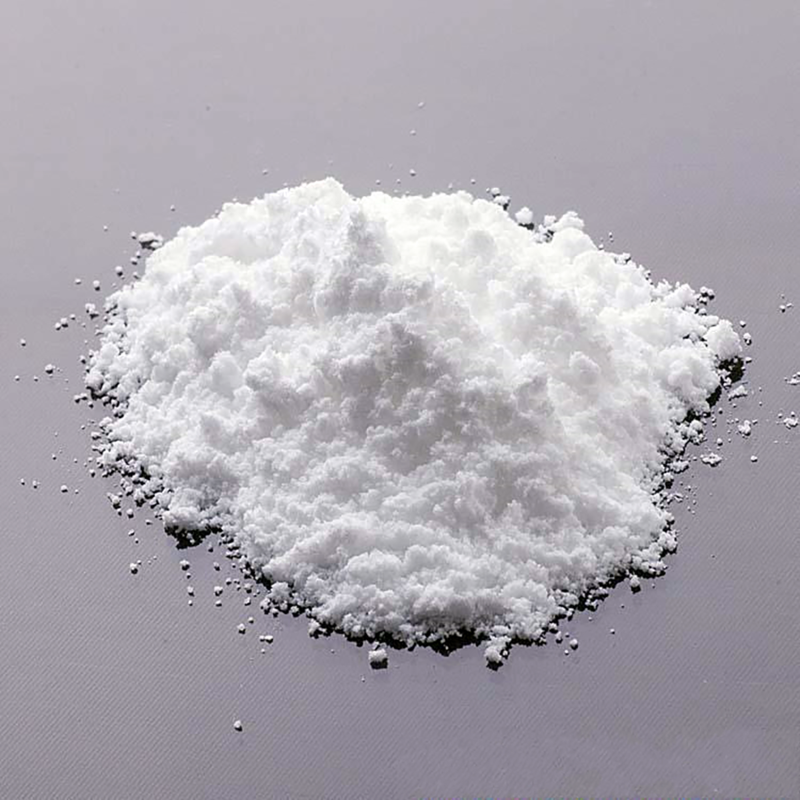
    1. White PAC High-purity water purification material, widely used in food, drinking water, urban water supply, precision manufacturing water purification, paper-making, pharmacy, sugar refining, cosmetic additives and fine chemical industries. It features very high purity with relatively high price.
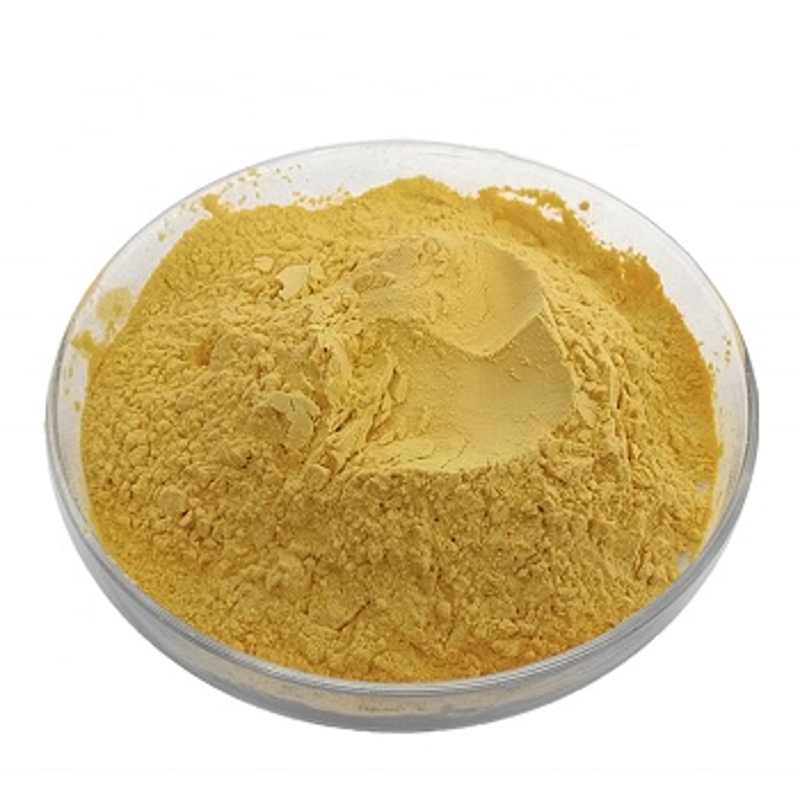
    2. Light yellow PAC Mid-to-high grade product. Mainly used for drinking water treatment, with strict limits on heavy metal content. The alumina (Al₂O₃) content is about 30 (±0.5). Fine powder, uniform particles, good flocculation effect, stable and efficient purification, low dosage and low cost. It is widely adopted by water plants for drinking water treatment.
    3. Golden yellow PAC Most widely used PAC on the market, high-efficiency flocculant for wastewater treatment. Suitable for industrial water supply, industrial wastewater, industrial water circulation and municipal sewage treatment.
    4. Brown PAC Custom water treatment agent with higher iron content. Effective for low-temperature, low-turbidity and high-algae wastewater. Used for drinking water, urban water supply and industrial water purification.

    Classification

    PAC is generally divided into three grades: food grade, drinking water grade and industrial grade, with obvious differences in indicators during application.

    • Food grade PAC (white powder, spray-dried): Al₂O₃ content above 30%. Used for drinking water treatment, pharmaceutical, cosmetic additives and high-tech research.
    • Drinking water grade PAC (yellow/golden irregular particles, spray-dried): Al₂O₃ content 26%~30%. Widely used in paper mills, printing & dyeing plants, tanneries, power plants and municipal sewage treatment plants. Available specifications: 26%, 28%, 30%.
    • Industrial grade PAC (brown/yellow particles, roller dried): Excellent performance in industrial wastewater treatment. Al₂O₃ content ranges from 22% to 30%.

    Coagulant Description

    Coagulants can promote aggregation and flocculation of colloidal particles in water, accelerate the formation of coarse particles for fast sedimentation or easier filtration. It includes coagulating agents, flocculants and coagulant aids. Common coagulants include alum, PAC, activated silica, polyacrylamide, bauxite, ferrous sulfate and ferric chloride. Combined use of PAC and alum delivers good performance.

    PAC is a new inorganic polymer coagulant. Different from traditional low-molecular crystalline salt coagulants, PAC has a structure composed of multivariate hydroxyl complexes with variable forms. It features fast flocculation and sedimentation, wide applicable pH range, low corrosion to pipeline equipment and obvious water purification effect. It can effectively remove chroma, SS, COD, BOD and heavy metal ions such as arsenic and mercury in water. Widely applied in drinking water, industrial water and wastewater treatment.

    Main Quality Indicators

    Three core quality indicators of PAC: basicity, pH value and alumina content.

    1. Basicity (Salt basicity) Refers to the hydroxylation degree of hydroxyl forms in PAC, expressed as percentage of molar ratio B=[OH]/[Al]. It is one of the most important indicators closely related to flocculation performance. Within raw water turbidity 86~10000 mg/L, the optimal basicity of PAC is 40~85%. Many characteristics of PAC are related to basicity.
    2. pH value Represents free OH⁻ quantity in PAC solution. Generally pH rises with higher basicity, while there is no fixed corresponding relation for different liquid compositions. For liquid with same basicity, pH varies with concentration; pH decreases as concentration increases.
    3. Alumina content Measurement of effective component. Higher relative density usually means higher alumina content. The viscosity of PAC increases with alumina content. Under same conditions and alumina concentration, PAC has lower viscosity than aluminium sulfate, facilitating transportation and application.

    Application as Refractory Binder

    PAC can be used as binder for refractory materials. Produced from aluminium-containing raw materials or metallic aluminium through acid dissolution, hydrolysis and polymerization. PAC solution shows acidity. Also named aluminium hydroxychloride or basic aluminium chloride, with general formula [Al₂(OH)ₙCl₆₋ₙ]ₘ.

    When used as binder for bulk refractory materials, PAC will not reduce refractoriness. During heating, PAC dehydrates and decomposes to generate highly dispersed active alumina which benefits sintering. It is suitable for unburned or fired refractory products, refractory plastics, ramming mixes and castables.

    For unshaped refractory materials, suitable basicity range is 46%~72% and density range is 1.17~1.23 kg/m³ for good bonding strength. When used for refractory castables, synthetic magnesium aluminate spinel, fused MgO and bauxite cement can be used as setting accelerator.

    Since PAC solution is acidic (pH<5), it may react with iron-containing compounds in refractory materials and release hydrogen gas, leading to swelling. A material aging step is required in production process to avoid swelling and cracking of finished molded products.

    Production Methods

    1. Production from aluminium hydroxide via acid dissolution High-purity aluminium hydroxide is adopted, with low heavy metal content. Aluminium hydroxide has poor acid solubility, so heating and pressurization in reactor are required for leaching. After separation and maturation, PAC liquid is obtained. Aluminium leaching rate can reach over 90%. The process is relatively simple, while the basicity of the product is relatively low at about 40%. To improve basicity without introducing heavy metal impurities, aluminium scrap and sodium aluminate can be added to low-basicity products, raising basicity above 70%.
    2. Production from aluminium chloride via boiling pyrolysis Solid PAC can be prepared by boiling pyrolysis of crystalline aluminium chloride. Crystalline aluminium chloride is thermally decomposed at 170℃ to release hydrogen chloride. Then water is added for maturation polymerization, solidification, drying and crushing to get solid PAC. This method is rarely used now.

    Alternative route: under heating condition, crystalline aluminium chloride solution reacts with calcium aluminate to get PAC with basicity 80%~90%. 1 ton of crystalline aluminium chloride can produce about 5 tons of PAC (10% Al₂O₃ mass fraction).

    Usage Method

    Direct adding solid PAC into sewage will make suspended substances flocculate and precipitate rapidly, causing equipment blockage. Solid dosage is 2-3 times of aqueous PAC solution, which increases operation cost. Correct operation steps:

    1. Conduct lab test first to select optimal dosage with good flocculation effect. Prepare solution before use. Dosage can be confirmed according to water quality for non-drinking water treatment.
    2. For solid PAC: dissolve with water to prepare 10-25% solution first, then dilute to target concentration. Add solid slowly into water under continuous stirring during dissolution.
    3. Do not mix PAC with other brands or types of water treatment chemicals, and store separately from other chemicals.
    4. Stock solution and diluted solution have slight corrosivity, lower than other inorganic flocculants.
    5. Shelf life: liquid PAC for 6 months, solid PAC for 2 years. Solid PAC can still be used after moisture absorption.
    6. The treated water can meet domestic drinking water sanitary standards with proper dosage.

    Chemical Properties

    Colorless or yellow resinous solid. Its aqueous solution is colorless or yellowish-brown transparent liquid, sometimes grey-black mucus due to impurities. Soluble in water.

    Shop Metyrapone   54-36-4-Detailed Image 1


    Shop Metyrapone   54-36-4-Detailed Image 2
    Shop Metyrapone   54-36-4-Detailed Image 3
    Shop Metyrapone   54-36-4-Detailed Image 4
    Shop Metyrapone   54-36-4-Detailed Image 5
    Shop Metyrapone   54-36-4-Detailed Image 6
    Shop Metyrapone   54-36-4-Detailed Image 7
    Shop Metyrapone   54-36-4-Detailed Image 8
    Shop Metyrapone   54-36-4-Detailed Image 9
    Shop Metyrapone   54-36-4-Detailed Image 10
    Shop Metyrapone   54-36-4-Detailed Image 11
    Shop Metyrapone   54-36-4-Detailed Image 12
    Shop Metyrapone   54-36-4-Detailed Image 13
    Shop Metyrapone   54-36-4-Detailed Image 14
    Shop Metyrapone   54-36-4-Detailed Image 15
    Shop Metyrapone   54-36-4-Detailed Image 16
    Shop Metyrapone   54-36-4-Detailed Image 17
    Shop Metyrapone   54-36-4-Detailed Image 18
    Shop Metyrapone   54-36-4-Detailed Image 19


    Certificates

    Basic Info
    Product Name:

    Polyaluminum chloride

    Other Name:

    Aluminum chloride,basic;Aluminum chloride hydroxide;Aluminum chlorhydroxide;Aluminum hydroxychloride;Aluminum hydroxide chloride;Aluminium hydroxychloride;Aloxicoll;Aluminum chlorohydrol;Aluminum chlorhydrate;WAC;OCAL;Aluminum chlorohydrate;Aluminum oxychloride;Aluminum chloride oxide;Astringen;Chlorhydrol;Wickenol 303;Cawood 5025;Basic aluminum chloride;Aluminum chloride hydroxide oxide,basic;Poly(aluminum hydroxy) chloride;Hydrofugal;Basic aluminum chloride,hydrate;WAC 2;PAC (salt);PAC;HPB 5025;PALC;Sulzfloc JG 19;Sulzfloc JG 30;Sulzfloc JG 15;Sulzfloc JG;Paho 2S;Prodefloc SAB 19;Astringen 10;Prodefloc SAB 18;Prodefloc SAB 18/5;PAC 250A;Wickenol CPS 325;Takibine;Aluminol ACH;Prodefloc AC 190;TR 50;Locron P;Locron;Prodefloc AL;PAX 60p;PAX 11S;PAX 19;Reach 101;Locron S;Hydral;Kempac 20;Polyaluminum chloride;PAC 300M;Tanwhite;Kemwater PAX 14;UPAX 20;Kempac 10;Phacsize;Vikram PAC-AC 100S;PAC 250AD;Nalco 8676;Chlorhydrol Micro-Dry;Chlorhydrol Micro-Dry SUF;ACH 325;ACH 7-321;Reach 301;ACH 331;Reach 501;TR 50 (inorganic compound);Banoltan White;Oulupac 180;Takibine 3000;PAX;Purachem WT;Cartafix LA;Berukotan AC-P;Aquarhone 18;Westchlor 200;E 200 (coagulant);Hessidrex WT;E 200;PAX-XL 60S;PAX-XL 61S;Hyper Ion 1026;GenPac 4370;PAX-XL 69;PAX 16;PAX-XL 1;PAX-XL 19;PAC 100W;PAX 18;Aluminum chlorohydroxide;Phosphonorm;Hyperdrol;Aquarhone;PAX-XL 9;Ekoflock 90;Ekoflock 91;Gilufloc 83;Taipac;8012-66-6;11097-68-0;32056-15-8;37226-46-3;39380-80-8;56803-01-1;56831-66-4;64441-77-6;79586-02-0;84861-98-3;101707-17-9;114442-10-3;135864-70-9;143230-54-0;144388-28-3;162535-15-1;167140-05-8;245064-40-8;672263-85-3;745062-58-2;808739-25-5;851541-97-4;929897-91-6;929897-93-8;929898-03-3;929898-04-4;1123762-30-0;1709832-51-8

    CAS No.:

    1327-41-9

    Molecular Weight:

    79.44

    EC Number:

    215-477-2

    Characteristics
    PSA:

    20.23000

    XLogP3:

    0.62520

    Appearance:

    often supplied as a suspension or solution in water

    Hazard Identification

    Classification of the substance or mixture

    Corrosive to metals, Category 1

    Serious eye damage, Category 1

    GHS label elements, including precautionary statements

    Pictogram(s)

    Signal word

    Danger

    Hazard statement(s)

    H290 May be corrosive to metals

    H318 Causes serious eye damage

    Precautionary statement(s)
    Prevention

    P234 Keep only in original packaging.

    P280 Wear protective gloves/protective clothing/eye protection/face protection/hearing protection/...

    Response

    P390 Absorb spillage to prevent material damage.

    P305+P354+P338 IF IN EYES: Immediately rinse with water for several minutes. Remove contact lenses, if present and easy to do. Continue rinsing.

    P317 Get medical help.

    Storage

    P406 Store in a corrosion resistant/...container with a resistant inner liner.

    Disposal

    none

    Other hazards which do not result in classification

    no data available

    Handling and Storage

    Precautions for safe handling

    Handling in a well ventilated place. Wear suitable protective clothing. Avoid contact with skin and eyes. Avoid formation of dust and aerosols. Use non-sparking tools. Prevent fire caused by electrostatic discharge steam.

    Conditions for safe storage, including any incompatibilities

    Store the container tightly closed in a dry, cool and well-ventilated place. Store apart from foodstuff containers or incompatible materials.

  • Seller Information
    Business Type:

    Trader

    Main Products:

    pharmaceutical intermediates,peptides,electronic chemicals

    Location:

    Room 102, 1st Floor, East Office Building, No. 45 Pengwan Road, Qianwan Bonded Port Area, Qingdao Zone, China (Shandong) Pilot Free Trade Zone

    Payment Terms:

    100% TT in advance

    Average lead Time:

    10 days

    Total Annual Revenue:

    $10 million-$25 million

    Total Employees:

    51-100

    Year of Establishment:

    2024

    A reliable supplier is like insurance.

    We are mainly specilized in supply of pharmaceutical intermediates, electronic chemicals,food additives, and other fine chemical products.
    Integrity is the foundation, quality is life. We would like to work together with you to build a greener and brighter future.

    Website: orientchem.cc
    Email: scarlett@orientchem.cc
    WhatsApp: +86 17753254221

  • Inquiry History
    298 Inquiries
    Country Product Purchase Quantity Date Posted
    South Africa

    Polyaluminium Chloride

    1.00 MT Sep 25, 2024
    Bangladesh

    CHLORIDE PAC

    1 20' Fcl May 12, 2026
    United Kingdom

    PAC

    1 KG Feb 11, 2026
    Qatar

    Polyaluminium Chloride

    1.00 KG Dec 12, 2025
    Bangladesh

    POLYALUMINIUM CHLORIDE PAC

    1.00 20' Fcl Jun 10, 2026
    Oman

    Polyaluminium Chloride

    1.00 MT Sep 3, 2024
    Malaysia

    POLYALUMINIUM CHLORIDE PAC

    1.00 KG Apr 30, 2026
    Malaysia

    Polyaluminium Chloride

    2.00 20' Fcl Jan 6, 2026
    Oman

    Polyaluminium Chloride

    1.00 MT Sep 4, 2024
    India

    Polyaluminium chloride

    1.00 20' Fcl Oct 20, 2023
    India

    Polyaluminium Chloride

    20.00 MT Feb 19, 2024
    India

    Polyaluminium Chloride

    25.00 MT Feb 20, 2024
    South Africa

    Aluminum Chlorohydrate

    10.00 TON Jul 19, 2024
    India

    Polyaluminium Chloride

    15.00 MT Feb 7, 2024
    India

    Polyaluminium Chloride

    20.00 MT Feb 20, 2024
    India

    Polyaluminium Chloride

    5.00 MT Dec 29, 2023
    India

    Polyaluminium Chloride

    20.00 MT Feb 21, 2024
    Russia

    Poly Aluminum Chloride

    18 TON Aug 4, 2025
    India

    Polyaluminium Chloride

    1.00 MT Nov 19, 2024
    United Kingdom

    Polyaluminium Chloride

    1.00 MT Nov 6, 2024
    Post an enquiry for this product
pic ×

Scan the QR Code to Share

All products displayed on this website are only for non-medical purposes such as industrial applications or scientific research, and cannot be used for clinical diagnosis or treatment of humans or animals. They are not medicinal or edible.

According to relevant laws and regulations and the regulations of this website, units or individuals who purchase hazardous materials should obtain valid qualifications and qualification conditions.

The information shown above is provided by the enterprise itself, and the authenticity, accuracy and legitimacy of the content are the responsibility of the publishing company. ECHEMI does not bear any guarantee responsibility for this. Please be aware that risks in internet transactions objectively exist.

Feedback & Suggestions
Send Message

Thank you for your feedback. If you require further assistance, please contact us by email at info@echemi.com or call us at +86-532-55729510.