




Active Pharmaceutical Ingredients
- • Respiratory Drugs (114)
- • Hormones and the Endocrine System (279)
- • Antipyretic Analgesics (173)
- • Antiallergic Drugs (103)
- • Antiparasitic Drugs (130)
- • Antibiotics (545)
- • Antineoplastic Agents (294)
- • Anesthetic Agents (79)
- • Urinary System Drugs (52)
- • Other Chemical Drugs (948)
- • Synthetic Anti-infective Drugs (599)
- • Nervous System Drugs (349)
- • Fluid, Electrolyte, and Acid-base Balance (48)
- • Vitamins and Minerals Medicines (106)
- • Digestive System Drugs (198)
- • Blood System Drugs (85)
- • Circulatory System Drugs (425)
- • Diagnostic Agents (58)
- • Specialty Drugs (107)
- • Drug Metabolism (25)
- • Feed Additive (22)
- • Anti-stress Drugs (1)
- • Drugs Influencing Immune Function (14)
- • Veterinary Raw Materials (25)
- • Inhibitor Drugs (86)
Related News
-
CPHI & PMEC India 2026
2026-09-11 -
At the API China 2024 Spectacle: A Grand Recap!
2024-10-18 -
The 89th API China & The 27th CHINA-PHARM Exhibition Opened
2024-06-05 -
Overview of China's API industry in 2023
2023-02-01 -
Global Analysis of Active Pharmaceutical Ingredient (API)
2023-01-28 -
Professional and technical dry goods: a brief discussion on the selection of starting materials for chemical synthesis APIs
2022-11-18


Antiallergic Drugs Featured Products
Antiallergic Drugs
Diphenhydramine hydrochloride
(147-24-0)-

Pharmaceutical Grade / 99%
-

Pharmaceutical Grade / 99%
-

Pharmaceutical Grade / 99%
-

Pharmaceutical Grade / 99.45%
$2.54/MT FOB


Request for quotation , get quotes from more suppliers.
-

Industrial Grade / 99.0%
-

-
-")
-
-")
Industrial Grade / 99%


Request for quotation , get quotes from more suppliers.
Diphenhydramine
(58-73-1)-

Pharmaceutical Grade / 99%
-

Pharmaceutical Grade / 99%
-

Pharmaceutical Grade / 99%
-

Pharmaceutical Grade / 99.47%
$2.1/MT FOB
Request for quotation , get quotes from more suppliers.
Desloratadine
(100643-71-8)-

Pharmaceutical Grade / 99%
-

Pharmaceutical Grade / 99%
-

Pharma Grade / 99%
$28/KG EXW
-

Pharmaceutical grade / 99%


Request for quotation , get quotes from more suppliers.
Dimenhydrinate
(523-87-5)-

Pharmaceutical Grade / 99%
-

Pharma Grade / 99%
-

Pharmaceutical Grade / -
-

Pharmaceutical Grade / 99%


Request for quotation , get quotes from more suppliers.
Source Antiallergic Drugs Products Supply
-

Pharmaceutical Grade / 99%
-

Pharmaceutical Grade / 99%
-
 99% white power Doxylamine succinate( Cas No.:562-10-7) HRD")
Pharmaceutical Grade / 99%
-

Pharmaceutical Grade / 0%


Request for quotation , get quotes from more suppliers.
Dexchlorpheniramine maleate
(2438-32-6)-

-

Industrial Grade / 99%
-

-
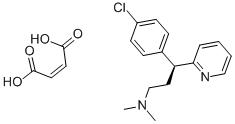
-but-2-enedioic acid,(3S)-3-(4-chlorophenyl)-N,N-dimethyl-3-pyridin-2-ylpropan-1-amine")

Request for quotation , get quotes from more suppliers.
-

Industrial Grade / pharmaceutical grade / 99%
-

Industrial Grade / 99.0%
-

-


Request for quotation , get quotes from more suppliers.
-

Pharma Grade / 99%
$28/KG EXW
-

Industrial Grade,Pharma Grade / 99%
-

Pharmaceutical Grade / 99%
-

- / 99.00%


Request for quotation , get quotes from more suppliers.
-

Industrial Grade,Pharma Grade / 99%
-

Industrial Grade / pharmaceutical grade / 99%
$1/MT EXW
-

Industrial Grade / 99.00%
-


Request for quotation , get quotes from more suppliers.
Frequently Asked Questions
Antiallergic drugs are medications designed to prevent or relieve symptoms caused by allergic reactions, such as sneezing, itching, runny nose, or hives. They primarily work by blocking histamine—a chemical released by the immune system during an allergic response—through H1 receptor antagonism. Common types include first-generation (e.g., diphenhydramine) and second-generation antihistamines (e.g., loratadine, cetirizine), which differ in sedation effects and duration of action.
The most widely used active pharmaceutical ingredients (APIs) in antiallergic drugs include loratadine, cetirizine hydrochloride, fexofenadine, desloratadine, and levocetirizine. These compounds are preferred for their non-sedating profiles, long half-lives, and high selectivity for peripheral H1 receptors. They are formulated into tablets, syrups, capsules, and oral solutions for both over-the-counter and prescription use.
Key quality control parameters for antiallergic drug intermediates include chemical purity (assessed via HPLC or GC), residual solvent levels (per ICH Q3C guidelines), heavy metal content, moisture content (via Karl Fischer titration), and structural confirmation (using NMR or FTIR). Impurity profiling is critical to ensure intermediates meet pharmacopeial standards (e.g., USP, EP) before progressing to final API synthesis.
Generic antiallergic drugs must demonstrate bioequivalence to their branded counterparts, meaning they deliver the same active ingredient at the same rate and extent in the body. Regulatory agencies like the FDA require rigorous testing to confirm therapeutic equivalence. While excipients may differ slightly, clinical efficacy and safety profiles are generally comparable when sourced from reputable manufacturers adhering to pharmacopeial standards.