




Pharmaceutical Intermediates
- • Analgesics (57)
- • Anesthetics (52)
- • Anti-Addiction Agents (8)
- • Antibacterials (117)
- • Anticonvulsants (20)
- • Antidementia Agents (23)
- • Antidepressants (35)
- • Antiemetics (24)
- • Antifungals (24)
- • Antigout Agents (9)
- • Anti-inflammatory Agents (28)
- • Antimigraine Agents (21)
- • Antineoplastics (427)
- • Antiparasitics (11)
- • Antiparkinson Agents (28)
- • Antipsychotics (54)
- • Antispasticity Agents (12)
- • Antivirals (146)
- • Anxiolytics (16)
- • Blood Glucose Regulators (105)
- • Blood Products (61)
- • Cardiovascular Agents (179)
- • CNS Agents (22)
- • Dental and Oral Agents (8)
- • Dermatological Agents (19)
- • Electrolytes (15)
- • Gastrointestinal Agents (62)
- • Genetic/Enzyme Disorder (12)
- • Genitourinary Agents (47)
- • Immunological Agents (36)
- • Metabolic Bone Disease (6)
- • Ophthalmic Agents (343)
- • Respiratory Tract (51)
- • Skeletal Muscle Relaxants (5)
- • Sleep Disorder Agents (28)
- • Oled Material Intermediate (333)
- • Heterocyclic Compound (9764)
- • Bulk Drug Intermediates (17731)
Related News


Blood Products Intermediates
Blood Products
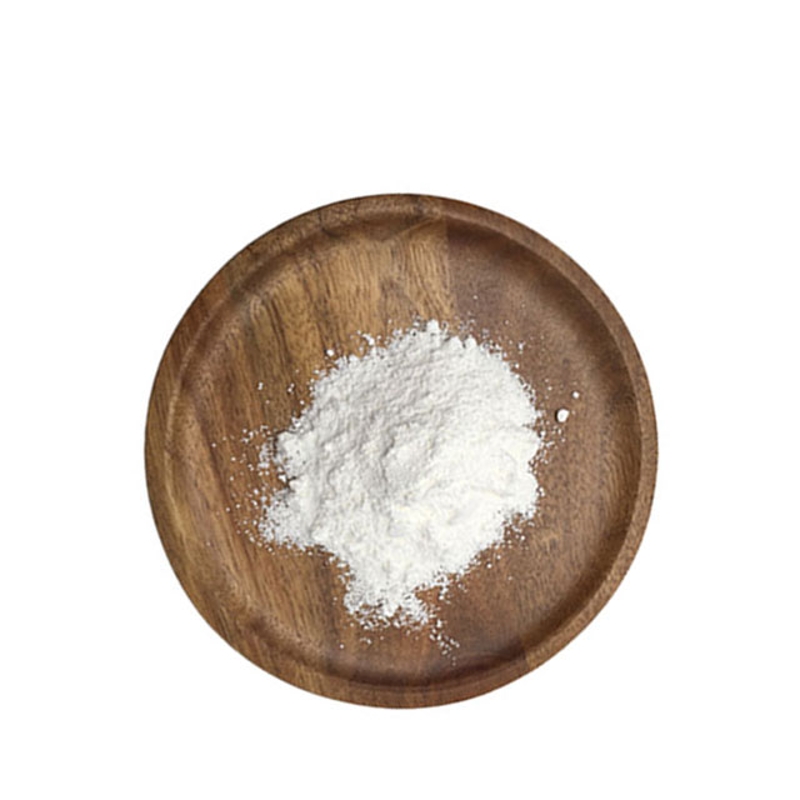
Shikimic acid
(138-59-0)-

Pharmaceutical Grade / 99%
-

Pharmaceutical Grade / 99%
-

Pharmaceutical Grade / 98%
-

Pharmaceutical Grade / 99%



Request for quotation , get quotes from more suppliers.
Source Blood Products Raw Materials by Region

More Information
Blood Products Intermediates are key raw materials used in the production of blood-derived therapies, including clotting factors, plasma proteins, and immunoglobulins. These intermediates play an essential role in biopharmaceutical development, ensuring the production of safe and effective treatments for blood disorders, immune deficiencies, and trauma-related conditions.
These intermediates are sourced from plasma, recombinant technologies, and bioengineered processes, and are used to produce therapeutic proteins, antibodies, and clotting factors essential in hemophilia, immune therapy, and blood volume replacement.
Key benefits and uses of Blood Products Intermediates include:
- Plasma Derivatives: Used for immune support and clotting factor replacement.
- Recombinant Proteins: For producing specific blood components without the need for human plasma.
- Immunoglobulins: For passive immunity in patients with immune deficiencies.
- Coagulation Factors: Essential for managing bleeding disorders such as hemophilia.
Frequently Asked Questions
Blood Products refer to components derived from human blood that are processed for therapeutic use. Common types include red blood cells, platelets, plasma, and cryoprecipitate. These products are essential in treating conditions such as severe anemia, bleeding disorders, trauma, and during surgical procedures. Their safe and effective use relies on strict donor screening, pathogen testing, and standardized processing protocols aligned with regulatory guidelines like those from the FDA or WHO.
Blood Products are manufactured through a multi-step process that begins with donor screening and blood collection, followed by component separation via centrifugation or filtration. Each unit undergoes rigorous testing for infectious diseases (e.g., HIV, hepatitis B/C) and is stored under controlled conditions. Facilities must comply with Good Manufacturing Practices (GMP) and be licensed by health authorities to ensure product safety, sterility, and traceability throughout the supply chain.
Whole blood contains all blood components—red cells, white cells, platelets, and plasma—and is rarely used today except in specific emergencies. In contrast, fractionated Blood Products are separated into individual components (e.g., packed red blood cells, fresh frozen plasma, platelet concentrates), allowing targeted therapy based on patient needs. This approach improves treatment efficacy, reduces transfusion risks, and optimizes the use of donated blood.
The production and distribution of Blood Products are regulated by national and international bodies such as the U.S. Food and Drug Administration (FDA), the European Medicines Agency (EMA), and the World Health Organization (WHO). These agencies enforce standards covering donor eligibility, testing, labeling, storage, transportation, and adverse event reporting. Compliance with these regulations ensures product quality, patient safety, and ethical sourcing practices across the blood supply chain.
When selecting a Blood Products supplier, healthcare facilities should verify the provider’s accreditation (e.g., AABB or ISO certification), regulatory compliance, and track record in quality control. Key considerations include consistent product availability, validated cold-chain logistics, transparent documentation, and responsive customer support. Partnering with established blood centers or licensed biopharmaceutical distributors helps ensure safe, timely, and compliant access to essential transfusion therapies.