




Cosmetic Ingredient
- • Abrasive (124)
- • Absorbent (84)
- • Anticaking (66)
- • Anticorrosive (25)
- • Antifoaming (19)
- • Antimicrobials (290)
- • Antioxidant Ingredient (393)
- • Antiperspirant (20)
- • Antiplaque (48)
- • Anti-seborrheic (38)
- • Anti-sebum (38)
- • Antistatic (457)
- • Astringent (162)
- • Binding Agent (171)
- • Bleaching Agent (53)
- • Buffering (189)
- • Bulking (109)
- • Chelating (122)
- • Cleansing (681)
- • Cosmetic Colorant (212)
- • Cosmetic Preservative (158)
- • Denaturant (45)
- • Deodorant (97)
- • Depilatory (27)
- • Dissolving Agent (297)
- • Emollient (795)
- • Emulsifying Agent (481)
- • Emulsion Stabilising (153)
- • Exfoliating (19)
- • Film Forming (299)
- • Flavouring (72)
- • Foam Boosting (161)
- • Foaming (101)
- • Fragrance Ingredient (731)
- • Gel Forming (19)
- • Hair Conditioning (672)
- • Hair Dyeing (363)
- • Hair Fixing (36)
- • Hair Waving or Straightening (45)
- • Humectant (281)
- • Hydrotrope (92)
- • Keratolytic (20)
- • Light Stabilizer (77)
- • Moisturising Agent (50)
- • Nail Conditioning (42)
- • Occlusive (20)
- • Opacifying (119)
- • Oral Care (123)
- • Oxidising (19)
- • Perfuming (2106)
- • Plasticiser (98)
- • Propellant (19)
- • Reducing (51)
- • Refatting (12)
- • Refreshing (27)
- • Skin Cleansing (387)
- • Skin Conditioning (1747)
- • Skin Humectant (21)
- • Skin Protecting (281)
- • Smoothing (32)
- • Soothing (72)
- • Tonics (155)
- • UV Filter (33)
- • Viscosity Controlling (530)
Chemicals as Skincare Ingredients
Related News
-
BASF and Evonik Rumored Potential Acquisition or Merger
2026-09-24 -
ExxonMobil’s 264,000-bpd Joliet Refinery Shuts After Site-Wide Power Failure
2026-09-15 -
Two Contractors Hospitalized After Deflagration at BASF Ludwigshafen Site
2026-09-22 -
Saudi Aramco Considers Selling Arlanxeo
2026-09-18 -
2026 Mid-Autumn Festival & National Day Holiday Notice
2026-09-22 -
Since September, the methanol market in China has shown a significant increase
2026-09-19


Bulking
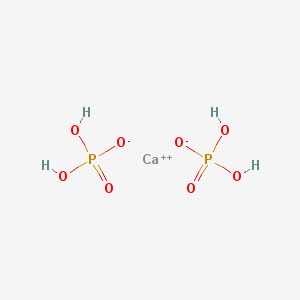
Calcium dihydrogen phosphate
(7758-23-8)-

Chemical Grade / 99%
$1/KG FOB
-

-

- / 0.00%
-

- / 99.00%


Request for quotation , get quotes from more suppliers.
Microcrystalline cellulose
(9004-34-6)2. ACCEL-101 is most widely used for direct compression tableting and wet granulation.ACCEL-102 has similar compression properties to ACCEL-101. However, it has larger particle size and therefore, may be of value in improving the flow if fine powders.ACCEL
-
")
Cosmetics Grade / 98%
$1-1.2/MT FOB
-

Pharmaceutical Grade / 99%
-

- / 99.00%
-

Food Grade / -



Sodium sulfate
(7757-82-6)-

Cosmetics Grade / 99%
-

Cosmetics Grade / 70%
-

Chemical Grade / 99%
$1/G FOB
-

Pharmaceutical Grade / 99%


-

Chemical Grade / 99%
$1/KG FOB
-

- / 0.00%
-

- / 99.00%
-

- / 98%


Request for quotation , get quotes from more suppliers.
Magnesium silicate
(1343-88-0)-

Pharmaceutical Grade / 99%
-

- / 99.00%
-

-



Request for quotation , get quotes from more suppliers.
Dextrin
(9004-53-9)-

Different Grade / 99.9%
$0.1/KG EXW
-

Food Grade / 99%
-

Chemical Grade / 99%
-


Request for quotation , get quotes from more suppliers.
Mica-group minerals
(12001-26-2)-

Cosmetics Grade / 99%
-

Cosmetics Grade / -
-

Cosmetics Grade / -
-

Cosmetics Grade / -

Request for quotation , get quotes from more suppliers.
Silica, amorphous, fumed, cryst.-free
(112945-52-5)-

Cosmetics Grade / 99%
-

Industrial Grade / 99.8%
-

Pharmaceutical Grade / 99.5%
-

- / 99%


Request for quotation , get quotes from more suppliers.
Polytetrafluoroethylene
(9002-84-0)-
 99% powder 9002-84-0 Dideu")
Chemical Grade / 99%
$1/KG FOB
-
 99% white powder zhishang")
- / 99%
-
")
- / 99.00%
-

Industrial Grade / 99%


Sunflower oil
(8001-21-6)-

Food Grade / 99%
-

- / 0.00%
-

- / 99.00%
-

Food Grade / 99.99%



Request for quotation , get quotes from more suppliers.
More Information
Bulking refers to non-reactive, chemically inert solid ingredients utilized in cosmetics to dilute other solids and/or increase the volume of the product. These bulking agents primarily work by occupying space within the product, thereby enhancing its volume without affecting its chemical composition.
They increase the volume of cosmetic products, allowing manufacturers to produce larger quantities economically. Bulking agents contribute to the desired texture and consistency of the product, ensuring it applies smoothly and evenly. They also help stabilize formulations, preventing ingredients from settling or separating. Moreover, by diluting more expensive active ingredients, bulking agents can help reduce production costs without compromising product quality.
The main components of bulking agents include:
● Talc
● Silica
● Mica
● Calcium carbonate
● Nylon powder
Frequently Asked Questions
Bulking refers to a phase in bodybuilding and fitness where individuals intentionally consume more calories than they burn to support muscle growth. This surplus, combined with resistance training, helps increase lean muscle mass. Bulking is typically followed by a cutting phase to reduce excess body fat while preserving the gained muscle.
A bulking phase usually lasts between 4 to 6 months, depending on individual goals, training experience, and metabolism. Beginners may see faster muscle gains and can bulk for shorter periods, while advanced lifters might require longer phases with careful monitoring to avoid excessive fat gain. Regular progress tracking is essential to optimize results.
An effective bulking diet emphasizes calorie-dense, nutrient-rich foods such as lean meats (chicken, beef), complex carbohydrates (brown rice, oats, sweet potatoes), healthy fats (avocados, nuts, olive oil), and dairy or plant-based proteins (Greek yogurt, tofu). Including sufficient protein—typically 1.6 to 2.2 grams per kilogram of body weight—is crucial for muscle synthesis during bulking.
While some fat gain is common during bulking due to the required caloric surplus, it’s possible to minimize it through a 'lean bulk.' This approach involves a modest calorie surplus (around 250–500 calories above maintenance), consistent strength training, and prioritizing whole, nutrient-dense foods. Monitoring weekly weight gain (0.25–0.5 lbs for men, slightly less for women) helps maintain a favorable muscle-to-fat ratio.
Key supplements that support bulking include whey protein for convenient protein intake, creatine monohydrate to enhance strength and muscle volume, and branched-chain amino acids (BCAAs) to aid recovery. Omega-3 fatty acids and multivitamins may also support overall health and performance. However, supplements should complement—not replace—a balanced, high-calorie diet and structured training program.