




Cosmetic Ingredient
Get Cosmetic Ingredient Raw Materials by RegionCosmetic Ingredient
- • Abrasive (124)
- • Absorbent (84)
- • Anticaking (66)
- • Anticorrosive (25)
- • Antifoaming (19)
- • Antimicrobials (291)
- • Antioxidant Ingredient (392)
- • Antiperspirant (20)
- • Antiplaque (48)
- • Anti-seborrheic (38)
- • Anti-sebum (38)
- • Antistatic (457)
- • Astringent (162)
- • Binding Agent (171)
- • Bleaching Agent (53)
- • Buffering (190)
- • Bulking (109)
- • Chelating (122)
- • Cleansing (680)
- • Cosmetic Colorant (212)
- • Cosmetic Preservative (158)
- • Denaturant (45)
- • Deodorant (98)
- • Depilatory (27)
- • Dissolving Agent (297)
- • Emollient (795)
- • Emulsifying Agent (481)
- • Emulsion Stabilising (153)
- • Exfoliating (19)
- • Film Forming (299)
- • Flavouring (72)
- • Foam Boosting (161)
- • Foaming (101)
- • Fragrance Ingredient (732)
- • Gel Forming (19)
- • Hair Conditioning (672)
- • Hair Dyeing (363)
- • Hair Fixing (36)
- • Hair Waving or Straightening (45)
- • Humectant (281)
- • Hydrotrope (92)
- • Keratolytic (20)
- • Light Stabilizer (77)
- • Moisturising Agent (50)
- • Nail Conditioning (42)
- • Occlusive (20)
- • Opacifying (119)
- • Oral Care (123)
- • Oxidising (19)
- • Perfuming (2106)
- • Plasticiser (98)
- • Propellant (19)
- • Reducing (51)
- • Refatting (12)
- • Refreshing (27)
- • Skin Cleansing (387)
- • Skin Conditioning (1747)
- • Skin Humectant (21)
- • Skin Protecting (281)
- • Smoothing (32)
- • Soothing (72)
- • Tonics (155)
- • UV Filter (33)
- • Viscosity Controlling (530)
Chemicals as Skincare Ingredients
Related News
-
Wanhua USA Reaches $7.75 Million Settlement in MDI/TDI Antitrust Lawsuit
2026-08-07 -
Mitsubishi Chemical Exits 105,000-Tonne Taiwan MMA Business as China Capacity Reshapes Asian Market
2026-08-04 -
European Petrochemicals Enter 'Era of Downsizing' as Dow, TotalEnergies, Shell Exit Older Cracker Assets
2026-08-03 -
Rhine Drought Disrupts German Chemical Logistics, Raising Supply Risks for BASF, Covestro and Evonik
2026-08-03 -
Global Chemical Giants Accelerate Plant Closures and Layoffs as Industry Enters Structural Capacity Rationalization
2026-07-31 -
European Diesel Crack Spread Hits Record $74.66 per Barrel as Global Refinery Outages Mount
2026-07-31


Related Products Price


Cosmetic Ingredient Featured Categories
Cosmetic Ingredient Suppliers
Sodium dithionite
CAS No: 7775-14-6
Formula: H2O4S2.2Na
Categories: Cosmetic Ingredient > Viscosity Controlling


mu-conotoxin
CAS No: 936616-33-0
Formula: C92H139N35O28S6
Categories: Cosmetic Ingredient > Skin Protecting



Triethoxymethylsilane
CAS No: 2031-67-6
Formula: C7H18O3Si
Categories: Cosmetic Ingredient > Smoothing


3-Ethylphenol
CAS No: 620-17-7
Formula: C8H10O
Categories: Cosmetic Ingredient > Perfuming


Tripropylene glycol diacrylate
CAS No: 42978-66-5
Formula: C15H24O6
Categories: Cosmetic Ingredient > Nail Conditioning


2,3-Dihydroxynaphthalene
CAS No: 92-44-4
Formula: C10H8O2
Categories: Cosmetic Ingredient > Hair Dyeing


Behenyltrimethylammonium methosulfate
CAS No: 81646-13-1
Formula: C25H54N.CH3O4S
Categories: Cosmetic Ingredient > Antistatic
-

docosyltrimethylammonium methyl sulphate
Inquiry -
 CAS 81646-13-1 Plant-Derived Biodegradable Nonionic Surfactant for Personal Care & Househo")
Industrial, Cosmetic & Food Grade Alkyl Polyglucoside (APG) CAS 81646-13-1 Plant-Derived Biodegradable Nonionic Surfactant for Personal Care & Househo
Inquiry -

docosyltrimethylammonium methyl sulphate 99%
Inquiry -

Docosyltrimethylammonium Methyl Sulphate CAS 81646-13-1 High Quality
Inquiry


SODIUM COCOYL ISETHIONATE
CAS No: 58969-27-0
Categories: Cosmetic Ingredient > Hair Conditioning
Magnesium aluminosilicate
CAS No: 1327-43-1
Categories: Cosmetic Ingredient > Viscosity Controlling
-

VEEGUM1kg
Inquiry -

Aluminum magnesium silicate
Inquiry -

1327-43-1
Inquiry -
")
Magnesium aluminum silicate (high qualified)
$1-1.2/KG FOB
Inquiry


Zinc picolinate
CAS No: 17949-65-4
Formula: C12H8N2O4Zn
Categories: Cosmetic Ingredient > Oral Care
-

Cost-effective sourcing of 99% pure Zinc picolinate CAS 17949-65-4 raw material
Inquiry -

Zinc picolinate
Inquiry -

Nutritional Supplement Zinc Picolinate Powder High Purity Zinc Picolinate 17949-65-4
Inquiry -

High Quality 98% Food Grade Nutrition Supplements CAS 17949-65-4 Picolinic Acid Zinc Salt/Zinc Picolinate Powder
Inquiry


304 Cosmetic Ingredient Suppliers
Short on time? Let Cosmetic Ingredient sellers contact you.
Tazarotene
CAS No: 118292-40-3
Formula: C21H21NO2S
Categories: Cosmetic Ingredient > Skin Conditioning
-

Factory Supply CAS 118292-40-3 Tazarotene for Psoriasis
Inquiry -

TAZAROTENE CAS.118292-40-3
$6-7/MT FOB
Inquiry -

Tazarotene-118292-40-3
Inquiry -

Factory Supply Pure Raw Material Tazaroteno Tazarotene Powder CAS 118292-40-3
Inquiry


Pregnenolone acetate
CAS No: 1778-02-5
Formula: C23H34O3
Categories: Cosmetic Ingredient > Skin Conditioning
-

Pregnenolone acetate
Inquiry -

100% Safe customs clearance high quality Pregnenolone acetate CAS 1778-02-5 with Best Price raw material Pregnenolone acetate
Inquiry -

Top Quality Pregnenolone Acetate Powder CAS 1778-02-5 Pregnenolone Acetate
Inquiry -

Factory supply Pure 99% Pregnenolone acetate raw powder CAS 1778-02-5
Inquiry


Galaxolide
CAS No: 1222-05-5
Formula: C18H26O
Categories: Cosmetic Ingredient > Perfuming


Bismuth subgallate
CAS No: 99-26-3
Formula: C7H5BiO6
Categories: Cosmetic Ingredient > Skin Conditioning
-

BISMUTH SUBGALLATE
Inquiry -

99-26-3
Inquiry -

Hot Selling BISMUTH SUBGALLATE 99-26-3 Factory Supply Raw Materials High Qulity Wholesale price
Inquiry -

bismuthgattatlba-sic
$1.1/KG EXW
Inquiry


Pine leaf oil
CAS No: 8000-26-8
Formula:
Categories: Cosmetic Ingredient > Perfuming
d
20
20
0.858–0.868; n
20
D
1.474–1.478; α
20
D
?15 ° to ?7 °; solubility: 1 vol in≤10 vol of 90% ethanol. Content by GC: α-pinene 10–30%;β-pinene 3–14%; 3-carene 5–25More


7-Diethylamino-4-methylcoumarin
CAS No: 91-44-1
Formula: C14H17NO2
Categories: Cosmetic Ingredient > Light Stabilizer



Sepilift DPHP
CAS No: 41672-81-5
Formula: C37H69NO5
Categories: Cosmetic Ingredient > Antistatic


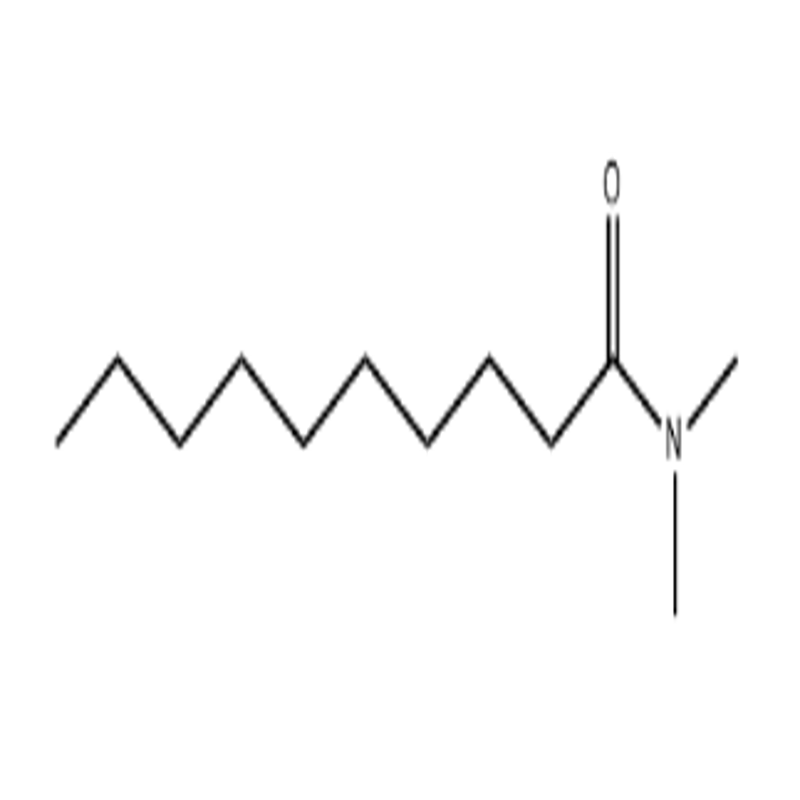
N,N-Dimethyldecanamide
CAS No: 14433-76-2
Formula: C12H25NO
Categories: Cosmetic Ingredient > Emulsion Stabilising
-

14433-76-2 N,N-Dimethylcapramide
Inquiry -

N,N-Dimethyl Octan-Decanamide 14433-76-2 C12h25no N,N-Dimethyl Octan-Decanamide
Inquiry -

N,N-Dimethylcapramide, CAS:14433-76-2
$20-22/KG FOB
Inquiry -

N,N-Dimethylcapramide
Inquiry


2-(Methacryloyloxy)ethyl acetoacetate
CAS No: 21282-97-3
Formula: C10H14O5
Categories: Cosmetic Ingredient > Film Forming
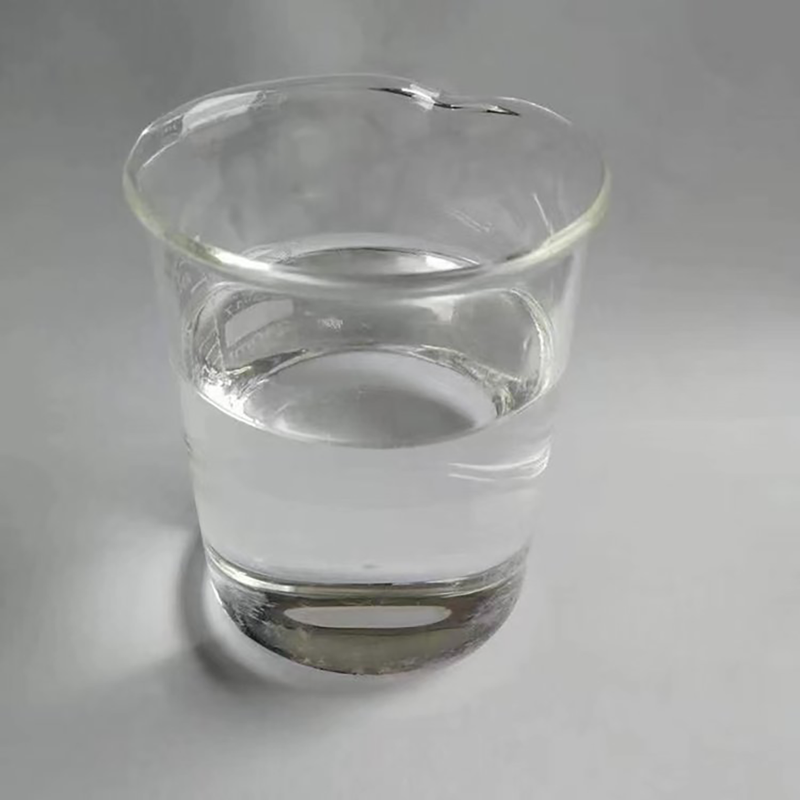

Butyl oleate
CAS No: 142-77-8
Formula: C22H42O2
Categories: Cosmetic Ingredient > Skin Conditioning



New Arrivals
Most Popular
-

High Quality NAD+ Research Compound for Experimental Laboratory Use
$49-59/UNIT FOB
-

$49/UNIT FOB
-

$0.06/UNIT FOB
-

Essential Cellular Coenzyme for Energy Metabolism and Longevity Research
$49/UNIT FOB


-

Palmitoyl Tetrapeptide-20 reverses hair greying process Palmitoyl Tetrapeptide
$320-325/G EXW
-
 Powder CAS 113170-55-1 Skin Whitening")
Manufacturer Magnesium Ascorbyl Phosphate (map) Powder CAS 113170-55-1 Skin Whitening
-

8% Bis-Aminopropyl Diglycol Dimaleate manufacturer Olaplex core ingredient 1629579-82-3 Olaplex No.0
$11.5/KG EXW
-

Acetyl tetrapeptide-5/Eyeseryl CAS 827306-88-7 for Hair/Eyebrow/Eyelash Growth
$40-50/G FOB


People are searching
Frequently Asked Questions
Cosmetic ingredients can be sourced through online B2B platforms, manufacturers, and specialized distributors. On ECHEMI, buyers can browse a wide range of cosmetic ingredient suppliers, compare specifications, and submit RFQs based on their formulation needs.
Buyers usually evaluate cosmetic ingredients through documentation such as COA (Certificate of Analysis), MSDS, and product specifications. In addition, supplier certifications, production standards, and third-party test reports are also important indicators of quality and reliability.
Natural cosmetic ingredients are derived from plants, minerals, or other naturally occurring sources, while synthetic ingredients are produced through chemical processes. Both can be safe and effective. In fact, many synthetic ingredients are designed to be more stable and consistent than their natural counterparts.
A cosmetic ingredient refers to any substance used in the formulation of personal care and beauty products. These ingredients are added to achieve specific functions, such as moisturizing the skin, cleansing, preserving the formula, adding fragrance, or improving product texture and appearance. Cosmetic ingredients can be natural, synthetic, or a combination of both.