




Cosmetic Ingredient
Get Cosmetic Ingredient Raw Materials by RegionCosmetic Ingredient
- • Abrasive (124)
- • Absorbent (84)
- • Anticaking (66)
- • Anticorrosive (25)
- • Antifoaming (19)
- • Antimicrobials (291)
- • Antioxidant Ingredient (393)
- • Antiperspirant (20)
- • Antiplaque (48)
- • Anti-seborrheic (38)
- • Anti-sebum (38)
- • Antistatic (457)
- • Astringent (162)
- • Binding Agent (171)
- • Bleaching Agent (53)
- • Buffering (190)
- • Bulking (109)
- • Chelating (122)
- • Cleansing (680)
- • Cosmetic Colorant (212)
- • Cosmetic Preservative (158)
- • Denaturant (45)
- • Deodorant (98)
- • Depilatory (27)
- • Dissolving Agent (297)
- • Emollient (795)
- • Emulsifying Agent (481)
- • Emulsion Stabilising (153)
- • Exfoliating (19)
- • Film Forming (299)
- • Flavouring (72)
- • Foam Boosting (161)
- • Foaming (101)
- • Fragrance Ingredient (732)
- • Gel Forming (19)
- • Hair Conditioning (672)
- • Hair Dyeing (363)
- • Hair Fixing (36)
- • Hair Waving or Straightening (45)
- • Humectant (281)
- • Hydrotrope (92)
- • Keratolytic (20)
- • Light Stabilizer (77)
- • Moisturising Agent (50)
- • Nail Conditioning (42)
- • Occlusive (20)
- • Opacifying (119)
- • Oral Care (123)
- • Oxidising (19)
- • Perfuming (2106)
- • Plasticiser (98)
- • Propellant (19)
- • Reducing (51)
- • Refatting (12)
- • Refreshing (27)
- • Skin Cleansing (387)
- • Skin Conditioning (1747)
- • Skin Humectant (21)
- • Skin Protecting (281)
- • Smoothing (32)
- • Soothing (72)
- • Tonics (155)
- • UV Filter (33)
- • Viscosity Controlling (530)
Chemicals as Skincare Ingredients
Related News
-
Wanhua's BorsodChem Restarts 650,000 T/Y of MDI and TDI Capacity in Europe
2026-08-26 -
Major Fire Hits China-Russia Joint 2.7 Million T/Y Polyolefins Project, Killing 6 Chinese Nationals and Injuring 152 People
2026-08-26 -
Korea’s First Petrochemical Restructuring Approved, LDPE Market Concentration Surges to 82%
2026-08-25 -
Hormuz Traffic Remains 90% Below Pre-Conflict Levels as Limited Tanker Access Offers Partial Relief
2026-08-25 -
South Korea Tests Arctic Commercial Route as Asian Exporters Seek New Logistics Alternatives
2026-08-25 -
Oil-Coal Price Gap Widens! Coal Chemical Enterprises See Significant Profit Surge in H1 2026
2026-08-21


Related Products Price


Cosmetic Ingredient Featured Categories
Cosmetic Ingredient Suppliers
3,5-DIMETHYL-2-ETHYLPYRAZINE
CAS No: 13925-07-0
Formula: C8H12N2
Categories: Cosmetic Ingredient > Perfuming
-

3,5-DIMETHYL-2-ETHYLPYRAZINE
Inquiry -

2-Ethyl-3,5-dimethylpyrazine,mixtureofisomers
$1000-1200/G EXW
Inquiry -

Factory Supply 3,5-Dimethyl-2-Ethyl Pyrazine CAS NO.13925-07-0
Inquiry -

3,5-DIMETHYL-2-ETHYLPYRAZINE
Inquiry


Calcium glycinate
CAS No: 35947-07-0
Formula: C2H5NO2.1/2Ca
Categories: Cosmetic Ingredient > Skin Conditioning
-

High Quality Calcium Glycinate CAS No 35947-07-0
Inquiry -

Calcium Glycinate
$10/KG EXW
Inquiry -

Factory Supply Ready Stock 35947-07-0 Calcium Glycinate powder cas
Inquiry -

Calcium glycinate
$100/Unit EXW
Inquiry


Cellulose, ether with α-[2-hydroxy-3-(trimethylammonio)propyl]-ω-hydroxypoly(oxy-1,2-ethanediyl), chloride
CAS No: 68610-92-4
Formula: (C2H4O)nC6H16NO2.xCl.xUnspecified
Categories: Cosmetic Ingredient > Film Forming



Quaternary ammonium compounds, benzyl-C12-16-alkyldimethyl, chlorides
CAS No: 68424-85-1
Categories: Cosmetic Ingredient > Antistatic


2,4-Diaminophenol
CAS No: 95-86-3
Formula: C6H8N2O
Categories: Cosmetic Ingredient > Hair Dyeing
-

2,4-diaminophenol
Inquiry -

2,4-Diaminophenol
Inquiry -

2,4-diaminophenol
Inquiry -

2,4-diaminophenol
Inquiry


Dimethyloctadecylamine
CAS No: 124-28-7
Formula: C20H43N
Categories: Cosmetic Ingredient > Antistatic


(-)-Isolongifolene
CAS No: 1135-66-6
Formula: C15H24
Categories: Cosmetic Ingredient > Perfuming


Verbascoside
CAS No: 61276-17-3
Formula: C29H36O15
Categories: Cosmetic Ingredient > Bleaching Agent
-

Verbascoside 99% Solid Dideu
Inquiry -

Verbascoside
Inquiry -

Fast Delivery Istanche Tubulosa Extract Verbascoside CAS 61276-17-3
Inquiry -

Acteoside
Inquiry


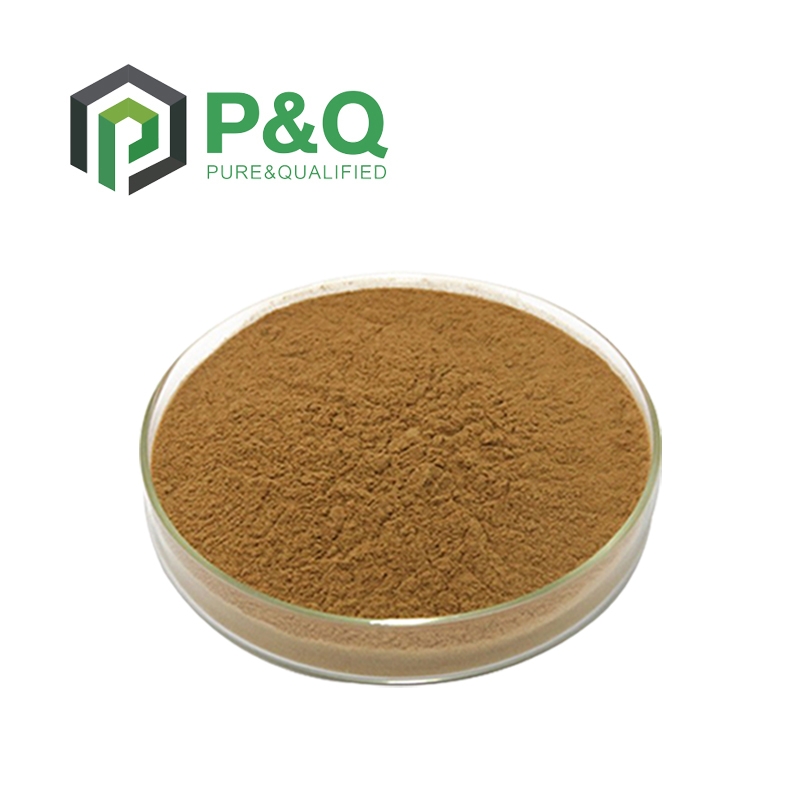

Cholestyramine
CAS No: 11041-12-6
Categories: Cosmetic Ingredient > Absorbent
-

CHOLESTYRAMINE RESIN 99% powder 11041-12-6 Dideu
$1/KG FOB
Inquiry -

Factory price CHOLESTYRAMINE RESIN cas 11041-12-6
Inquiry -
")
CHOLESTYRAMINE (high qualified)
$1-1.2/KG FOB
Inquiry -

CHOLESTYRAMINE RESIN, CAS:11041-12-6
$35-45/KG FOB
Inquiry

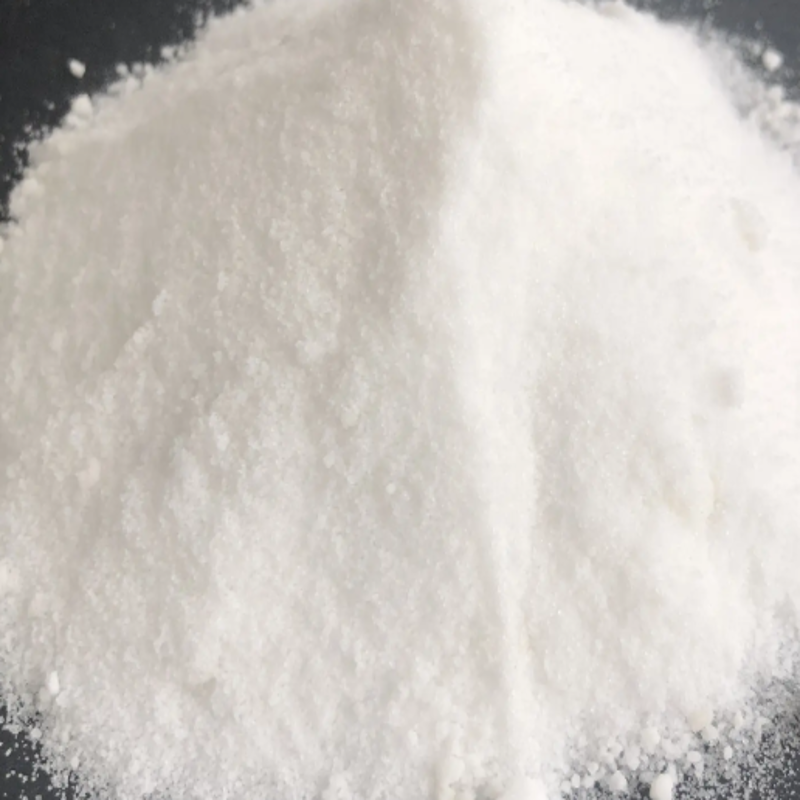

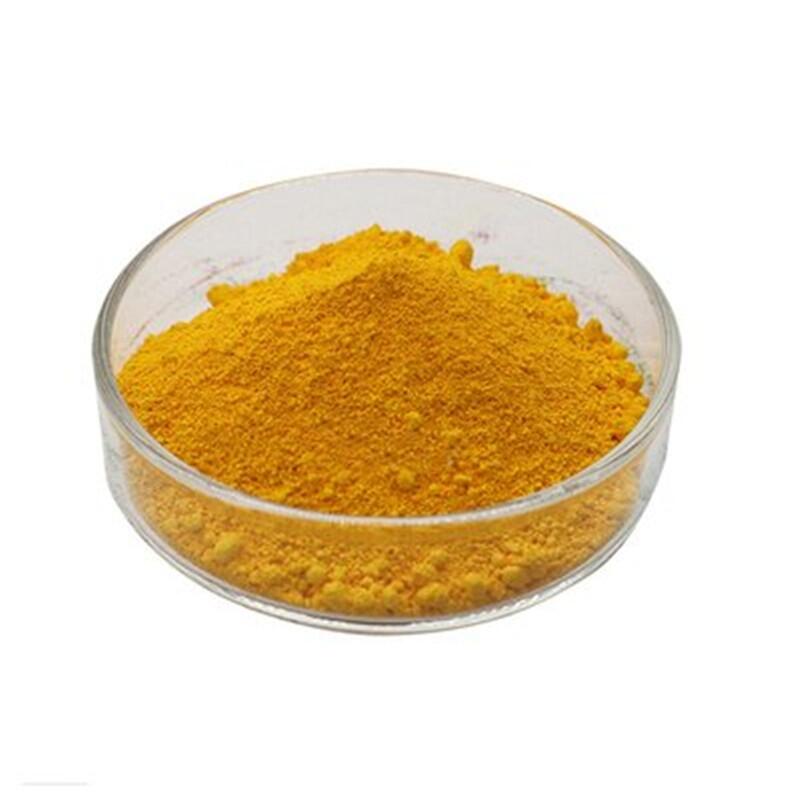
Astragalin
CAS No: 480-10-4
Formula: C21H20O11
Categories: Cosmetic Ingredient > Antioxidant Ingredient
-

ASTRAGALIN
Inquiry -
")
Astragalin (high qualified)
$1-1.2/KG FOB
Inquiry -

Astragalin
Inquiry -

ASTRAGALIN With Best Quality
Inquiry


307 Cosmetic Ingredient Suppliers
Short on time? Let Cosmetic Ingredient sellers contact you.
Hydroxypropyl methyl cellulose phthalate
CAS No: 9050-31-1
Formula: C8H6O4.xC3H8O2.xCH4O.xUnspecified
Categories: Cosmetic Ingredient > Oral Care



(3R,3aS,6S,7R,8aS)-Octahydro-6-methoxy-3,6,8,8-tetramethyl-1H-3a,7-methanoazulene
CAS No: 19870-74-7
Formula: C16H28O
Categories: Cosmetic Ingredient > Perfuming
-

Quality Methyl Cedryl Ether CAS 19870-74-7 with Fast Delivery
Inquiry -

Methyl cedryl ether 99% high purity certified Professional producer Greenbo
Inquiry -

More than 15 years GMP Factory Suppy 99.5% Methyl cedryl ether Medical Grade CAS19870-74-7
Inquiry -

Higher Quality Methyl Cedryl Ether CAS 19870-74-7 with Faster Delivery
Inquiry


Sorbitan, trioleate
CAS No: 26266-58-0
Formula: C60H108O8
Categories: Cosmetic Ingredient > Emulsifying Agent


HC Blue 2
CAS No: 33229-34-4
Formula: C12H19N3O5
Categories: Cosmetic Ingredient > Hair Dyeing


Bean, ext.
CAS No: 85085-22-9
Formula:
Categories: Cosmetic Ingredient > Antioxidant Ingredient



l-Menthyl D-lactate
CAS No: 59259-38-0
Formula: C13H24O3
Categories: Cosmetic Ingredient > Refreshing
The material is prepared by esterification of menthol with lactic acid.More


γ-Hexalactone
CAS No: 695-06-7
Formula: C6H10O2
Categories: Cosmetic Ingredient > Perfuming


Ginsenoside Rd
CAS No: 52705-93-8
Formula: C48H82O18
Categories: Cosmetic Ingredient > Antioxidant Ingredient
-

Ginsenoside Rd
Inquiry -

Ginsenoside Rd
$10/G EXW
Inquiry -

China Most Professional Factory Supply High Qulity Ginsenoside Rd CAS 52705-93-8
Inquiry -

Ginsenoside Rd 99% white powder kanbei
Inquiry


γ-Heptalactone
CAS No: 105-21-5
Formula: C7H12O2
Categories: Cosmetic Ingredient > Perfuming


L-Tryptophan, methyl ester, hydrochloride (1:1)
CAS No: 7524-52-9
Formula: C12H14N2O2.ClH
Categories: Cosmetic Ingredient > Hair Conditioning
-

Methyl L-tryptophanate hydrochloride
Inquiry -

L-Tryptophan methyl ester hydrochloride
$100/Unit EXW
Inquiry -

L-Tryptophan methyl ester hydrochloride High-Purity Amino Acid Derivative for Peptide Synthesis & Biochemical Research
$10.48/KG EXW
Inquiry -

H-Trp-OMe HCl 99% white powder kanbei
Inquiry


New Arrivals
Most Popular
-

$49/UNIT FOB
-

High Quality NAD+ Research Compound for Experimental Laboratory Use
$49-59/UNIT FOB
-

$0.06/UNIT FOB
-

Essential Cellular Coenzyme for Energy Metabolism and Longevity Research
$49/UNIT FOB


-

Palmitoyl Tetrapeptide-20 reverses hair greying process Palmitoyl Tetrapeptide
$315-320/G EXW
-
 Powder CAS 113170-55-1 Skin Whitening")
Manufacturer Magnesium Ascorbyl Phosphate (map) Powder CAS 113170-55-1 Skin Whitening
-

8% Bis-Aminopropyl Diglycol Dimaleate manufacturer Olaplex core ingredient 1629579-82-3 Olaplex No.0
$11.5/KG EXW
-

Acetyl tetrapeptide-5/Eyeseryl CAS 827306-88-7 for Hair/Eyebrow/Eyelash Growth
$40-50/G FOB


People are searching
Frequently Asked Questions
Cosmetic ingredients can be sourced through online B2B platforms, manufacturers, and specialized distributors. On ECHEMI, buyers can browse a wide range of cosmetic ingredient suppliers, compare specifications, and submit RFQs based on their formulation needs.
Buyers usually evaluate cosmetic ingredients through documentation such as COA (Certificate of Analysis), MSDS, and product specifications. In addition, supplier certifications, production standards, and third-party test reports are also important indicators of quality and reliability.
Natural cosmetic ingredients are derived from plants, minerals, or other naturally occurring sources, while synthetic ingredients are produced through chemical processes. Both can be safe and effective. In fact, many synthetic ingredients are designed to be more stable and consistent than their natural counterparts.
A cosmetic ingredient refers to any substance used in the formulation of personal care and beauty products. These ingredients are added to achieve specific functions, such as moisturizing the skin, cleansing, preserving the formula, adding fragrance, or improving product texture and appearance. Cosmetic ingredients can be natural, synthetic, or a combination of both.