




Cosmetic Ingredient
Get Cosmetic Ingredient Raw Materials by RegionCosmetic Ingredient
- • Abrasive (124)
- • Absorbent (84)
- • Anticaking (66)
- • Anticorrosive (25)
- • Antifoaming (19)
- • Antimicrobials (291)
- • Antioxidant Ingredient (393)
- • Antiperspirant (20)
- • Antiplaque (48)
- • Anti-seborrheic (38)
- • Anti-sebum (38)
- • Antistatic (457)
- • Astringent (162)
- • Binding Agent (171)
- • Bleaching Agent (53)
- • Buffering (190)
- • Bulking (109)
- • Chelating (122)
- • Cleansing (680)
- • Cosmetic Colorant (212)
- • Cosmetic Preservative (158)
- • Denaturant (45)
- • Deodorant (98)
- • Depilatory (27)
- • Dissolving Agent (297)
- • Emollient (795)
- • Emulsifying Agent (481)
- • Emulsion Stabilising (153)
- • Exfoliating (19)
- • Film Forming (299)
- • Flavouring (72)
- • Foam Boosting (161)
- • Foaming (101)
- • Fragrance Ingredient (732)
- • Gel Forming (19)
- • Hair Conditioning (672)
- • Hair Dyeing (363)
- • Hair Fixing (36)
- • Hair Waving or Straightening (45)
- • Humectant (281)
- • Hydrotrope (92)
- • Keratolytic (20)
- • Light Stabilizer (77)
- • Moisturising Agent (50)
- • Nail Conditioning (42)
- • Occlusive (20)
- • Opacifying (119)
- • Oral Care (123)
- • Oxidising (19)
- • Perfuming (2106)
- • Plasticiser (98)
- • Propellant (19)
- • Reducing (51)
- • Refatting (12)
- • Refreshing (27)
- • Skin Cleansing (387)
- • Skin Conditioning (1747)
- • Skin Humectant (21)
- • Skin Protecting (281)
- • Smoothing (32)
- • Soothing (72)
- • Tonics (155)
- • UV Filter (33)
- • Viscosity Controlling (530)
Chemicals as Skincare Ingredients
Related News
-
Korea’s First Petrochemical Restructuring Approved, LDPE Market Concentration Surges to 82%
2026-08-25 -
Hormuz Traffic Remains 90% Below Pre-Conflict Levels as Limited Tanker Access Offers Partial Relief
2026-08-25 -
South Korea Tests Arctic Commercial Route as Asian Exporters Seek New Logistics Alternatives
2026-08-25 -
Oil-Coal Price Gap Widens! Coal Chemical Enterprises See Significant Profit Surge in H1 2026
2026-08-21 -
FDA Approves Lantheus’ TAUKLARIFY for Alzheimer’s Tau PET Imaging
2026-08-17 -
FDA Grants Accelerated Approval to Bristol Myers Squibb’s ZENBEXUS, Launching First CELMoD Therapy in Multiple Myeloma
2026-08-17


Related Products Price


Cosmetic Ingredient Featured Categories
Cosmetic Ingredient Suppliers
Phycocyanins, C-
CAS No: 11016-15-2
Categories: Cosmetic Ingredient > Antioxidant Ingredient


Ammonium lactate
CAS No: 515-98-0
Formula: C3H6O3.H3N
Categories: Cosmetic Ingredient > Skin Conditioning
-

Ammonium lactate
Inquiry -

China Professional Manufacturer Supply High Qulity AMMONIUM LACTATE CAS 515-98-0
Inquiry -

Hot Selling Ammonium Lactate 515-98-0 Factory Supply Raw Materials High Qulity Wholesale price
Inquiry -

2-Hydroxypropanoic acid monoammonium salt
Inquiry

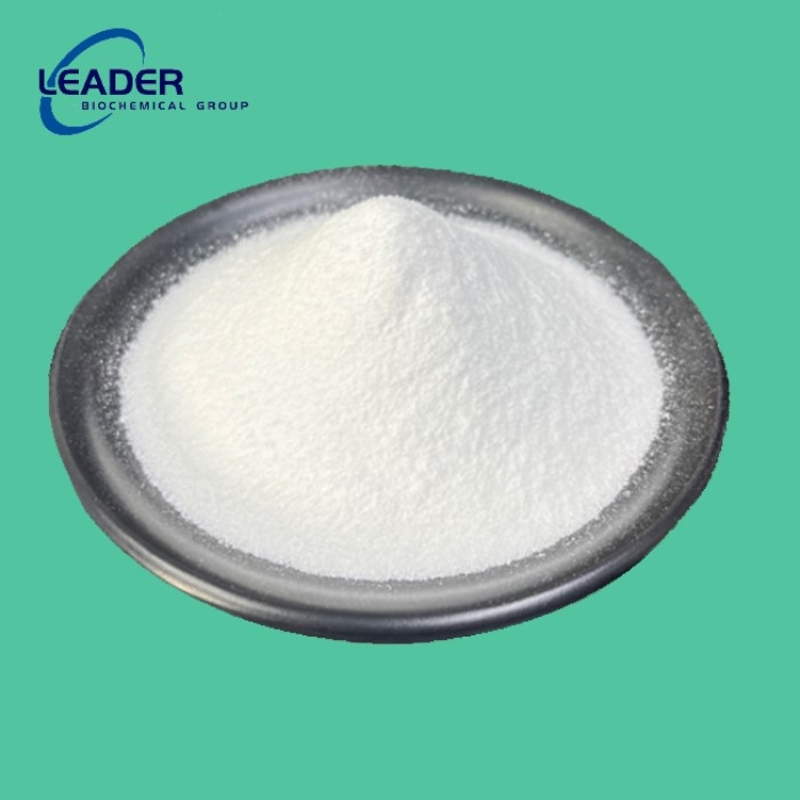


Aluminum distearate
CAS No: 300-92-5
Formula: C36H71AlO5
Categories: Cosmetic Ingredient > Emulsion Stabilising


Xanthohumol
CAS No: 6754-58-1
Formula: C21H22O5
Categories: Cosmetic Ingredient > Skin Conditioning
-

XANTHOHUMOL 99.0% Solid Dideu
Inquiry -

High-purity raw material Xanthohumol CAS 6754-58-1 at competitive pricing
Inquiry -

XANTHOHUMOL
Inquiry -

Xanthohumol CAS: 6754-58-1
Inquiry


Ethyl cyanoacrylate
CAS No: 7085-85-0
Formula: C6H7NO2
Categories: Cosmetic Ingredient > Film Forming


Guaiazulene
CAS No: 489-84-9
Formula: C15H18
Categories: Cosmetic Ingredient > Perfuming
-

Dideu support high quality Guaiazulene
Inquiry -
 -Azulen / Guaiazulene CAS 489-84-9 with High Quality")
1,4-Dimethyl-7- (1-methylethyl) -Azulen / Guaiazulene CAS 489-84-9 with High Quality
Inquiry -

Supply High Quality Guaiazulene Powder CAS 489-84-9
Inquiry -

Guaiazulene CAS NO.489-84-9 1,4-Dimethyl-7-isopropylazulene 99%HPLC Dark Blue crystalline powder_LYNA Bio
$50-60/KG FOB
Inquiry


L-Pyroglutamic acid ethyl ester
CAS No: 7149-65-7
Formula: C7H11NO3
Categories: Cosmetic Ingredient > Skin Conditioning


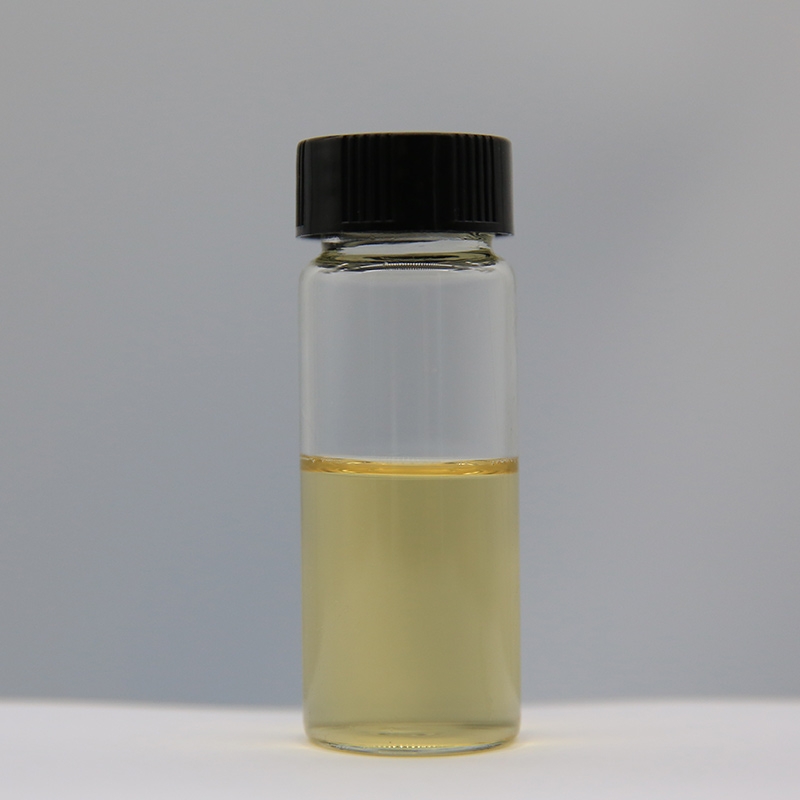

Amentoflavone
CAS No: 1617-53-4
Formula: C30H18O10
Categories: Cosmetic Ingredient > Bleaching Agent
-

Amentoflavone
Inquiry -

Amentoflavone 99% yellow powder 1617-53-4 Senwayer
Inquiry -

Amentoflavone, CAS:1617-53-4
$5.1-6.12/G FOB
Inquiry -

Amentoflavone new
Inquiry


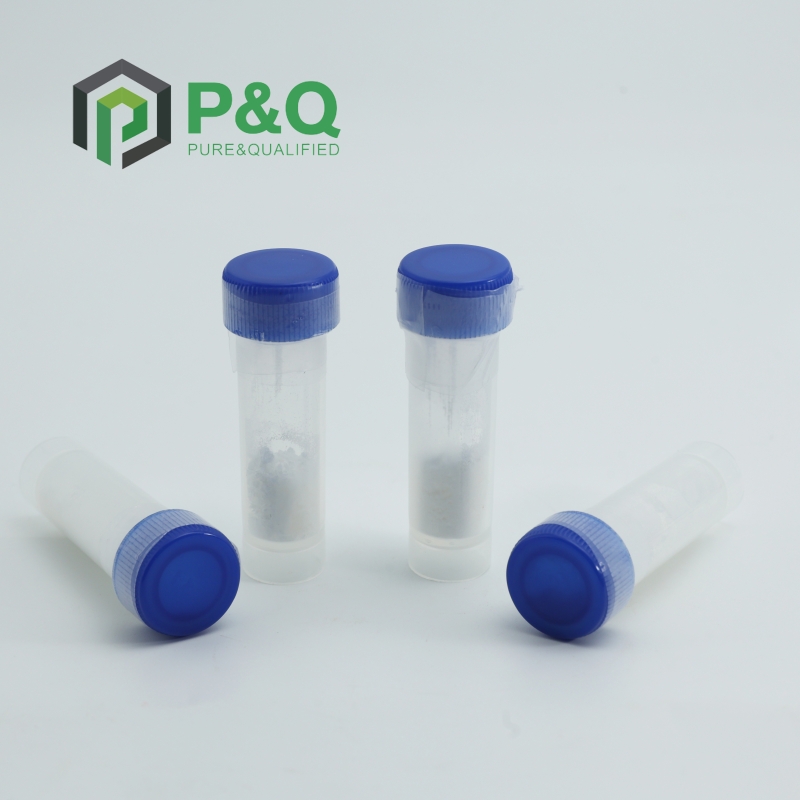
Hexamethylcyclotrisiloxane
CAS No: 541-05-9
Formula: C6H18O3Si3
Categories: Cosmetic Ingredient > Dissolving Agent



Ethyl myristate
CAS No: 124-06-1
Formula: C16H32O2
Categories: Cosmetic Ingredient > Perfuming



308 Cosmetic Ingredient Suppliers
Short on time? Let Cosmetic Ingredient sellers contact you.
Phytin
CAS No: 3615-82-5
Formula: C6H18O24P6.xCa.xMg
Categories: Cosmetic Ingredient > Skin Conditioning



Octyl β-D-glucopyranoside
CAS No: 29836-26-8
Formula: C14H28O6
Categories: Cosmetic Ingredient > Skin Cleansing


4-(2,6,6-Trimethyl-1-cyclohexen-1-yl)-3-buten-2-one
CAS No: 14901-07-6
Formula: C13H20O
Categories: Cosmetic Ingredient > Perfuming


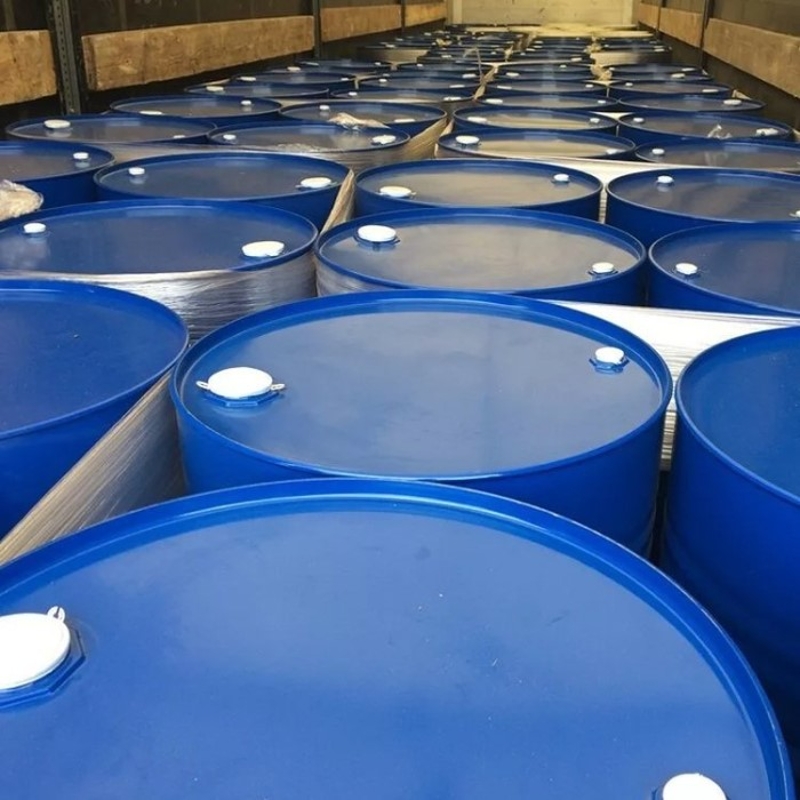
Bis(3,4-dimethylbenzylidene) sorbitol
CAS No: 135861-56-2
Formula: C24H30O6
Categories: Cosmetic Ingredient > Viscosity Controlling


Methyl 2-methylbutyrate
CAS No: 868-57-5
Formula: C6H12O2
Categories: Cosmetic Ingredient > Perfuming
-

Methyl 2-methylbutyrate
Inquiry -

Methyl 2-methylbutyrate
Inquiry -

Methyl 2-methylbutyrate
Inquiry -

Methyl 2-methylbutyrate
Inquiry


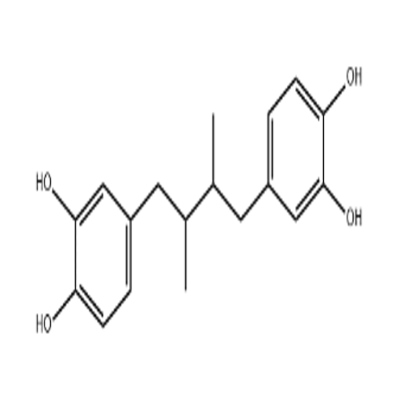
Nordihydroguaiaretic acid
CAS No: 500-38-9
Formula: C18H22O4
Categories: Cosmetic Ingredient > Antioxidant Ingredient
-

Nordihydroguaiaretic acid,CAS:500-38-9
$100-120/KG EXW
Inquiry -

Nordihydroguaiaretic Acid500-38-9
Inquiry -

Nordihydroguaiaretic acid
Inquiry -

Nordihydroguaiaretic acid 99% powder aly-500-38-9 lk
Inquiry


4,4′-Bis(4-hydroxyphenyl)valeric acid
CAS No: 126-00-1
Formula: C17H18O4
Categories: Cosmetic Ingredient > Viscosity Controlling
-

High Quality 99% Purity of Diphenolic acid CAS NO 126-00-1 ISO 9001:2005 REACH Verified Producer
Inquiry -

Diphenolic acid
Inquiry -
![buy acid;3-d]pyriMidine]( "acid;3-d]pyriMidine")
acid;3-d]pyriMidine
Inquiry -

Diphenolic Acid
Inquiry

![buy acid;3-d]pyriMidine](https://file.echemi.com/fileManage/upload/goodpicture/20231103/trimethylopropane-trivinyl-ether-57758-90-4_b20231103092235209.jpg "acid;3-d]pyriMidine")

Hexyl salicylate
CAS No: 6259-76-3
Formula: C13H18O3
Categories: Cosmetic Ingredient > Perfuming


Diisobutyl adipate
CAS No: 141-04-8
Formula: C14H26O4
Categories: Cosmetic Ingredient > Dissolving Agent



Acetyl triethyl citrate
CAS No: 77-89-4
Formula: C14H22O8
Categories: Cosmetic Ingredient > Film Forming



New Arrivals
Most Popular
-

$49/UNIT FOB
-

High Quality NAD+ Research Compound for Experimental Laboratory Use
$49-59/UNIT FOB
-

$0.06/UNIT FOB
-

Essential Cellular Coenzyme for Energy Metabolism and Longevity Research
$49/UNIT FOB


-

Palmitoyl Tetrapeptide-20 reverses hair greying process Palmitoyl Tetrapeptide
$315-320/G EXW
-
 Powder CAS 113170-55-1 Skin Whitening")
Manufacturer Magnesium Ascorbyl Phosphate (map) Powder CAS 113170-55-1 Skin Whitening
-

8% Bis-Aminopropyl Diglycol Dimaleate manufacturer Olaplex core ingredient 1629579-82-3 Olaplex No.0
$11.5/KG EXW
-

Acetyl tetrapeptide-5/Eyeseryl CAS 827306-88-7 for Hair/Eyebrow/Eyelash Growth
$40-50/G FOB


People are searching
Frequently Asked Questions
Cosmetic ingredients can be sourced through online B2B platforms, manufacturers, and specialized distributors. On ECHEMI, buyers can browse a wide range of cosmetic ingredient suppliers, compare specifications, and submit RFQs based on their formulation needs.
Buyers usually evaluate cosmetic ingredients through documentation such as COA (Certificate of Analysis), MSDS, and product specifications. In addition, supplier certifications, production standards, and third-party test reports are also important indicators of quality and reliability.
Natural cosmetic ingredients are derived from plants, minerals, or other naturally occurring sources, while synthetic ingredients are produced through chemical processes. Both can be safe and effective. In fact, many synthetic ingredients are designed to be more stable and consistent than their natural counterparts.
A cosmetic ingredient refers to any substance used in the formulation of personal care and beauty products. These ingredients are added to achieve specific functions, such as moisturizing the skin, cleansing, preserving the formula, adding fragrance, or improving product texture and appearance. Cosmetic ingredients can be natural, synthetic, or a combination of both.